How Do Dental Bridges Help Restore Missing Teeth?

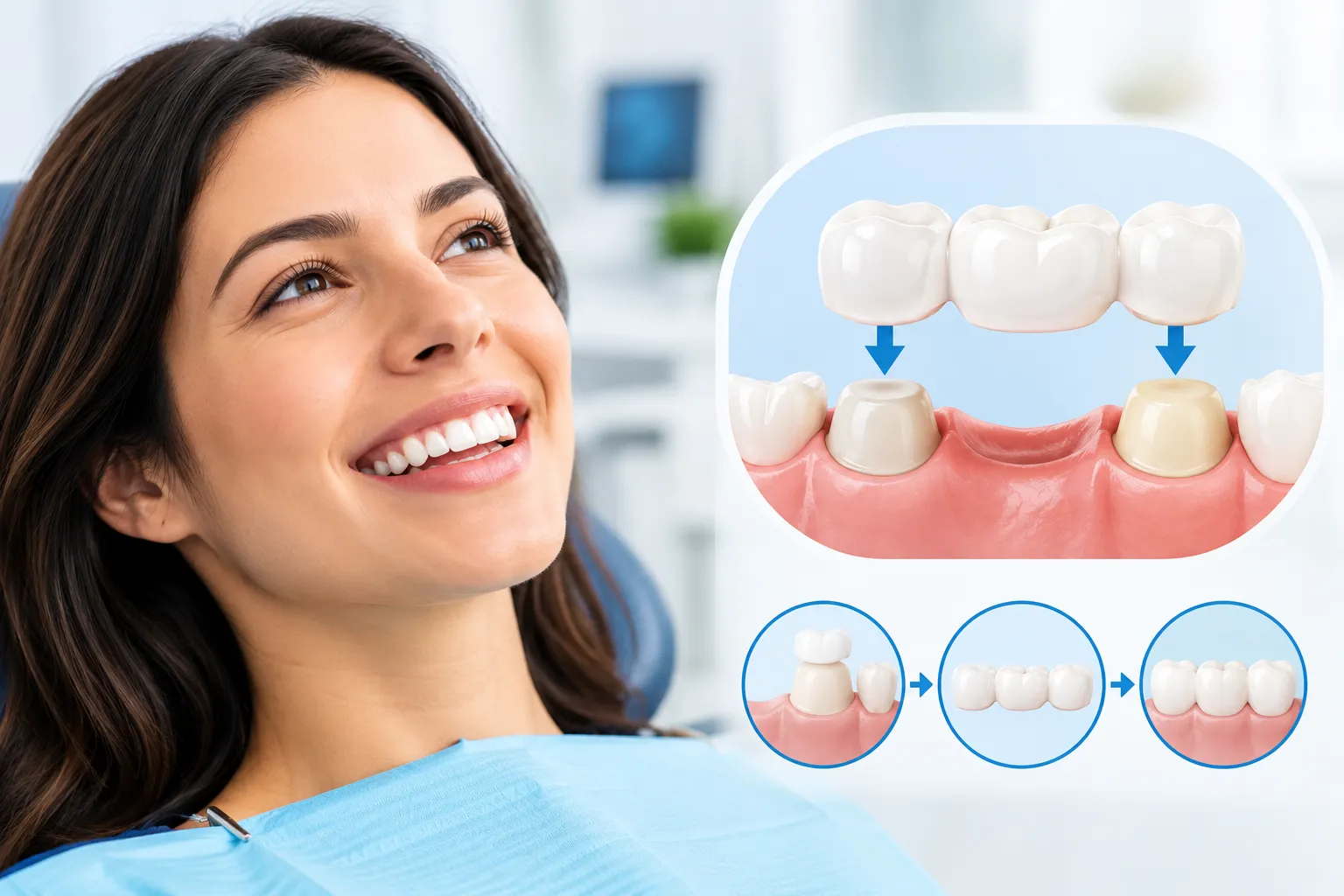
Missing teeth can affect more than just the appearance of your smile. They can make everyday activities such as chewing and speaking more difficult while also affecting the alignment of your remaining teeth. Fortunately, modern restorative dentistry offers several solutions for replacing missing teeth, and dental bridges are one of the commonly used options.
A dental bridge is a fixed dental restoration designed to fill the space left by one or more missing teeth. It consists of an artificial tooth, known as a pontic, supported by natural teeth or dental implants. Dental bridges are designed to restore the appearance and functionality of your smile while helping maintain proper spacing between your teeth.
1. Restore the Appearance of Your Smile
One of the main benefits of dental bridges is their ability to replace missing teeth and create a more complete-looking smile. A visible gap can affect your confidence, particularly when smiling, speaking, or interacting with others.
Dental bridges are designed to blend with the surrounding natural teeth. Their shape, size, and color can be selected to complement your existing smile, creating a more natural-looking result.
By filling the gap left by missing teeth, dental bridges can help:
- Improve the overall appearance of your smile.
- Restore a more balanced look between your teeth.
- Reduce visible gaps caused by tooth loss.
- Support greater confidence when speaking and smiling.
2. Improve Chewing and Speaking Function
Missing teeth can make it challenging to chew certain foods comfortably. Depending on the location of the missing teeth, patients may also notice changes in their speech.
Dental bridges help restore the function of missing teeth by providing replacement teeth that support everyday activities. Once the bridge is properly fitted, it can help distribute chewing forces more evenly across the teeth.
Some functional benefits include:
- Making it easier to chew a wider variety of foods.
- Supporting clearer speech and pronunciation.
- Improving overall biting function.
- Helping patients feel more comfortable during everyday activities.
Your dentist can evaluate your bite and determine whether a dental bridge is an appropriate solution for your individual needs.
3. Help Maintain Proper Tooth Alignment
When a tooth is lost, the surrounding teeth may gradually move toward the empty space. This movement can affect the alignment of your teeth and may contribute to bite-related problems.
A dental bridge fills the gap and helps maintain the spacing between neighboring teeth. By restoring the missing tooth, it can reduce the opportunity for nearby teeth to drift into the open space.
Maintaining proper tooth spacing is important for several reasons:
- It helps preserve the existing arrangement of your teeth.
- It supports a more balanced bite.
- It reduces unwanted movement into the empty space.
- It helps maintain the overall structure of your smile.
Replacing missing teeth in a timely manner can help support better long-term oral function.
4. Understand the Different Types of Dental Bridges
Dental bridges come in different designs, and the right option depends on the location of the missing tooth, the condition of surrounding teeth, and your overall oral health.
Some commonly used types include:
Traditional Dental Bridges: These bridges use dental crowns placed on the natural teeth next to the missing tooth to support an artificial replacement tooth. They are commonly used when healthy supporting teeth are available on both sides of the gap.
Cantilever Bridges: These bridges are supported by a natural tooth on only one side of the missing space. They may be suitable in certain situations depending on the location and amount of biting pressure.
Maryland Bridges: These bridges use a framework with supporting wings bonded to the back of neighboring teeth. They generally require less alteration of the supporting teeth compared with traditional bridges.
Implant-Supported Bridges: These restorations are supported by dental implants rather than natural teeth. They may be considered when multiple adjacent teeth are missing and sufficient bone support is available.
A dental professional can examine your teeth and recommend the most suitable type of bridge based on your dental condition.
5. Provide a Fixed and Convenient Tooth Replacement Option
Unlike removable dentures, traditional dental bridges are fixed in place and do not need to be taken out for daily use. Once properly fitted, they function as part of your dental structure.
This can make dental bridges a convenient option for people who prefer a fixed restoration rather than a removable appliance.
Patients exploring tooth replacement in pembroke pines may consider dental bridges as one of several available restorative solutions. The appropriate treatment depends on factors such as the number of missing teeth, the condition of neighboring teeth, jawbone health, and personal preferences.
6. Support Long-Term Oral Health With Proper Care
Dental bridges can last for many years with proper maintenance, although their lifespan varies depending on oral hygiene habits, dental health, and the type of restoration.
Taking care of your bridge is important because plaque and food particles can accumulate around the supporting teeth and underneath the artificial tooth.
To maintain your dental bridge, consider the following practices:
- Brush twice daily using fluoride toothpaste.
- Clean around the bridge carefully to remove food particles.
- Use floss threaders or other recommended cleaning tools to clean underneath the replacement tooth.
- Avoid chewing extremely hard objects that could damage the restoration.
- Schedule regular dental examinations and professional cleanings.
- Follow your dentist's instructions for maintaining your dental work.
Consistent home care and professional monitoring can help protect the supporting teeth and keep your restoration in good condition.
Are Dental Bridges the Right Solution for Missing Teeth?
Dental bridges can be an effective option for individuals who have lost one or more teeth and want to restore their smile and chewing function. However, they may not be suitable for everyone.
Before recommending a dental bridge, a dental professional will generally evaluate:
- The number and location of missing teeth.
- The condition and strength of neighboring teeth.
- Your gum health and overall oral condition.
- Your bite and chewing patterns.
- Whether alternative treatments, such as dental implants, may be more appropriate.
A professional examination helps determine which restorative option can best meet your oral health needs.
Choose the Right Treatment to Restore Your Smile
Replacing missing teeth is an important part of maintaining good oral health, proper chewing function, and a confident smile. Dental bridges offer a fixed restoration option that can fill unwanted gaps, improve the appearance of your teeth, and support everyday oral function.
If you are exploring tooth replacement in pembroke pines, consider consulting an experienced dental professional to discuss your treatment options. With an appropriate restoration and consistent dental care, you can work toward maintaining a healthy, functional, and natural-looking smile for years to come.








Sign in to leave a comment.