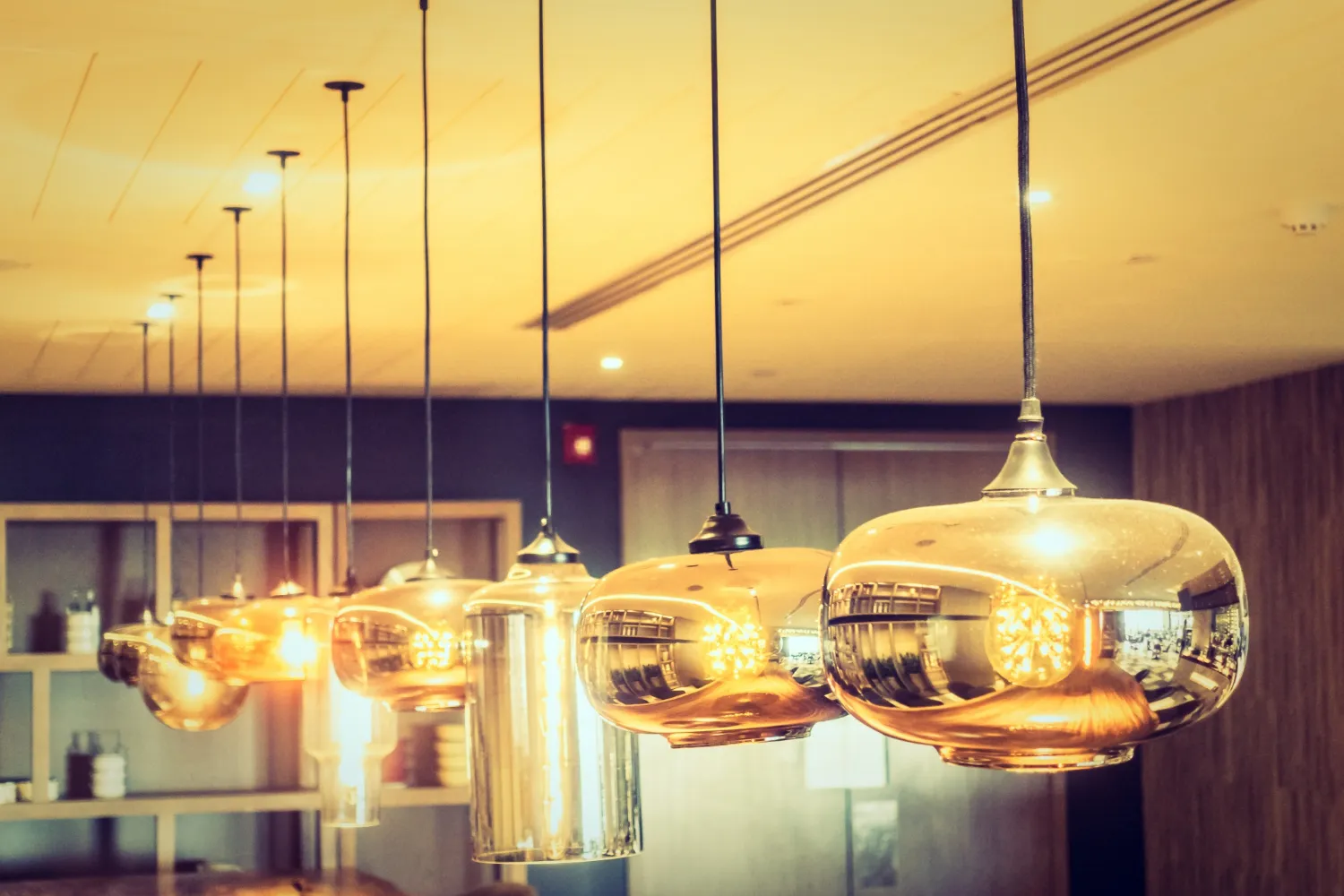

Modern home interiors are no longer defined only by furniture, colours and décor. Lighting plays an equally important role in creating a comfortable, practical and visually appealing space. The right indoor lighting solutions can change how a room looks and feels while also supporting everyday activities such as working, cooking, reading and relaxing.
From LED ceiling lights and pendant fittings to spotlights and decorative lamps, today's lighting options make it easier to create different layers of illumination throughout the home. Choosing suitable fixtures and colour temperatures can also help highlight architectural features, improve functionality and create a more balanced interior.
How Do Indoor Lighting Solutions Transform Living Spaces?
One of the biggest advantages of indoor lighting solutions is their ability to influence the atmosphere of a room. A well-lit living room can feel welcoming and spacious, while carefully positioned accent lighting can draw attention to artwork, shelving or other design features.
Rather than relying on one central light, modern interiors often combine several sources. Ambient lighting provides general illumination, task lighting focuses on specific activities, and accent lighting adds visual interest.
For example, recessed spotlights can provide even illumination across a room, while a pendant light above a coffee table can create a focal point. Wall lights can add softer illumination without taking up floor or surface space.
This layered approach gives homeowners greater control over the appearance and functionality of each room.
Indoor Lighting Solutions for Different Rooms
Every room has different lighting requirements, so a single lighting style may not work throughout an entire property. Selecting indoor lighting solutions according to the purpose of each space can make a noticeable difference.
Living Room Lighting
Living rooms benefit from a combination of ambient and accent lighting. Ceiling fixtures can provide general illumination, while floor lamps, wall lights or table lamps can introduce softer pools of light.
Dimmable fittings can also be useful where the room serves multiple purposes. Brighter lighting may be suitable for reading or entertaining, while a lower level can create a more relaxed atmosphere in the evening.
Kitchen Lighting
Kitchen lighting needs to balance practicality with appearance. Bright, well-positioned lighting can help illuminate worktops, sinks and cooking areas.
Under-cabinet lighting can reduce shadows across preparation surfaces, while ceiling lights provide overall illumination. Pendant fittings can also work well above kitchen islands or breakfast bars.
Bedroom Lighting
Bedrooms generally benefit from softer and more comfortable lighting. Bedside lamps can provide focused light for reading, while ceiling fittings offer general illumination when required.
Using warm-coloured bulbs can create a more relaxing environment and complement neutral, wooden or textured interiors.
Home Office Lighting
A home office needs lighting that supports concentration and reduces unnecessary shadows. A combination of ceiling lighting and a suitable desk lamp can provide more balanced illumination.
Positioning task lighting carefully can also help prevent reflections on computer screens and make paperwork easier to read.
Why LED Light Bulbs UK Homes Are Choosing Matter
The type of bulb used can have as much impact as the fitting itself. LED light bulbs UK homeowners use are popular for modern interiors because they are available in different shapes, brightness levels and colour temperatures.
LED technology also gives homeowners flexibility when creating different lighting effects. Warm white bulbs can provide a comfortable residential atmosphere, while cooler white options may be useful in kitchens, utility areas and workspaces.
Another benefit is the variety of designs available. LED bulbs can be used in ceiling fixtures, pendant lights, wall fittings and decorative lamps, making them suitable for a wide range of interior styles.
Choosing the correct brightness is important too. A bulb that is too bright can make a room feel harsh, while insufficient illumination may make everyday tasks unnecessarily difficult.
How Energy-Efficient LED Lighting Supports Modern Interiors
Energy consumption is an increasingly important consideration when choosing household lighting. Energy-Efficient LED Lighting can help homeowners create effective illumination while making more conscious use of electricity.
LED lighting is available in a wide range of wattages and brightness levels, allowing homeowners to select products according to the requirements of individual rooms. Replacing older, less efficient bulbs with suitable LED alternatives can be one practical step towards improving household lighting efficiency.
The design possibilities are another advantage. LED technology works across numerous fittings, from simple ceiling fixtures to modern decorative lighting. This means energy efficiency does not have to come at the expense of interior design.
When planning a lighting upgrade, it is worth considering both the number of fittings and how frequently each light is used. Efficient bulbs combined with sensible lighting controls can contribute to a more practical overall setup.
Indoor Lighting Solutions Can Highlight Interior Features
Lighting can be used to emphasise specific elements within a home. This is particularly useful in contemporary interiors where materials, textures and architectural details are important parts of the design.
For example, directional spotlights can highlight artwork or shelving, while wall lighting can emphasise textured surfaces. Pendant lights can act as decorative features in dining areas, kitchens and hallways.
Using different levels of illumination can also add depth. Instead of making every part of a room equally bright, homeowners can create areas of focus and softer background lighting.
This is one reason indoor lighting solutions are considered an important part of interior planning rather than simply a functional necessity.
Choosing Indoor Lighting Solutions for Comfort and Function
When selecting indoor lighting solutions, it is useful to consider more than appearance. The size of the room, ceiling height, furniture arrangement and intended use should all influence the decision.
Colour temperature is another important consideration. Warm white lighting is generally suited to relaxing areas, while neutral or cooler lighting may be preferable for spaces where concentration and visibility are priorities.
It is also worth thinking about glare and shadows. A fitting that looks attractive but produces uncomfortable glare may not be suitable for a frequently used space.
Smart controls, dimmers and separately switched lighting zones can provide additional flexibility. These features allow different parts of a room to be illuminated according to the time of day or activity.
Lighting and Home Safety Should Work Together
Interior lighting is one part of a wider approach to creating a functional home. Visibility around entrances, stairways, hallways and other frequently used areas can contribute to safer movement around the property.
Homeowners should also consider essential safety equipment separately from decorative lighting. For properties requiring fire protection equipment, suitable fire alarm systems UK products can form an important part of a broader home safety setup.
Lighting and safety systems serve different purposes, but both should be considered when planning a practical and well-equipped modern home.
How to Plan a Balanced Indoor Lighting Scheme
A successful lighting plan does not necessarily require more fixtures. Instead, the focus should be on placing the right types of lighting in the right locations.
Start by identifying the main activities that take place in each room. Then consider where general, task and accent lighting would be useful. From there, choose suitable fittings, bulb types and colour temperatures.
It is also helpful to think about how natural daylight enters the room. Artificial lighting should complement natural light rather than simply duplicate it.
For homeowners looking for a broad selection of products, exploring dedicated indoor lighting solutions can make it easier to compare different fittings and plan a cohesive approach across the property.
Conclusion: Creating Better Interiors with Indoor Lighting Solutions
The right indoor lighting solutions can make modern homes more comfortable, functional and visually balanced. From living rooms and kitchens to bedrooms and home offices, carefully selected lighting can improve visibility while supporting the overall interior design.
LED technology offers additional flexibility through different bulb styles, brightness levels and colour temperatures. Combining ambient, task and accent lighting can also help homeowners create spaces that adapt to different activities and times of day.
Ultimately, good lighting is about finding the right balance between appearance, comfort, functionality and efficiency. With thoughtful planning, indoor lighting solutions can become an integral part of a modern home's interior rather than simply an afterthought.























Sign in to leave a comment.