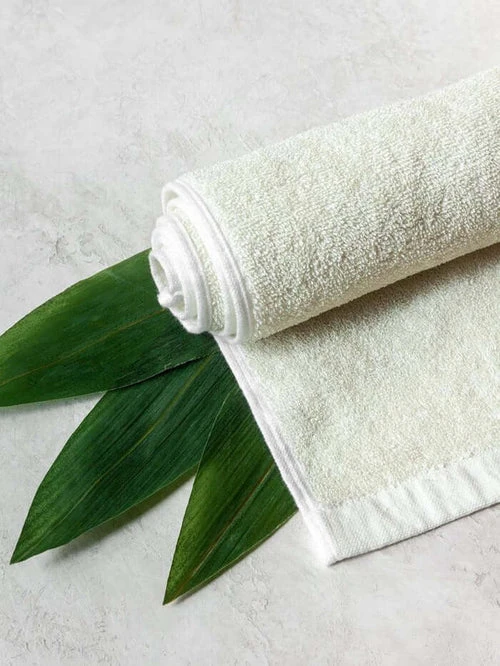

Japanese people typically put their towel on the rack by folding it neatly usually in thirds or halves and hanging it evenly so it dries quickly, looks tidy, and takes up minimal space. In most Japanese homes, a japanese towel is placed flat and centered on the rack, with careful attention to airflow and cleanliness rather than decoration. This simple, intentional method reflects Japan’s broader culture of order, hygiene, and respect for shared spaces.

The Cultural Meaning Behind Towel Placement in Japan
In Japan, even small daily actions like how a towel is placed are influenced by cultural values. Cleanliness (kirei), order (seiri), and mindfulness (kizukai) are deeply ingrained in everyday life. Towels are not casually tossed over a rack; they are treated as personal hygiene items that should dry properly and remain clean.
Unlike in some Western homes where towels might be draped unevenly or layered for decoration, Japanese households focus on function first. The goal is to ensure the towel dries fast, stays fresh, and doesn’t collect odors.
What Type of Towels Do Japanese People Use?
Before understanding how towels are placed, it helps to know what kind of towels are most common.
1. Japanese Towels (Tenugui and Face Towels)
A traditional japanese towel, often called a tenugui, is:
- Thin and lightweight
- Made of cotton
- Long and narrow
- Designed to dry very quickly
Modern Japanese homes also commonly use slim face towels rather than bulky bath towels.
2. Japanese Bath Towels
Japanese bath towels are usually:
- Thinner than Western bath towels
- Highly absorbent
- Compact and space-saving
Because homes and bathrooms in Japan are often smaller, towels are designed and handled in ways that maximize efficiency.
Step-by-Step: How Japanese People Put Towels on the Rack
Step 1: Fold the Towel Neatly
The most common method is:
- Fold the towel in half lengthwise
- Then fold again into thirds or halves, depending on rack width
The towel should look even on both sides, with no corners hanging lower than others.
This neat folding is not about perfection it’s about balance and airflow.
Step 2: Center the Towel on the Rack
Japanese people usually place the towel centered on the rack, not bunched to one side. This ensures:
- Equal air exposure
- Faster drying
- A clean, uncluttered look
In shared bathrooms, centering also shows consideration for others.
Step 3: Avoid Overlapping Towels
In many Japanese households:
- Each person has one assigned rack or hook
- Towels are not layered on top of each other
Overlapping traps moisture, which can cause odor or bacteria something Japanese hygiene culture strongly avoids.
Step 4: Let Airflow Do the Work
Ventilation is key. Towels are placed where:
- Bathroom fans can circulate air
- Windows or vents allow moisture to escape
Even how far apart towels are spaced matters. A well-placed japanese towel dries faster and stays fresher.

Towel Racks Commonly Used in Japan
Japanese towel racks are designed for simplicity and function.
1. Horizontal Bar Racks
These are the most common. They allow towels to hang flat and evenly, perfect for thin japanese bath towels.
2. Individual Hooks
Hooks are often used for face towels or hand towels, especially near sinks. Towels are folded lengthwise before hanging to maintain neatness.
3. Heated or Ventilated Racks
In newer apartments, towel racks may be placed near ventilation systems to speed up drying during humid seasons.
Bathroom vs. Kitchen Towel Placement
Japanese people are very particular about where towels belong.
- Bathroom towels: Placed on racks, neatly folded
- Hand towels (near sinks): Often hung on rings or hooks
- Kitchen towels: Separate from bathroom towels, never mixed
Each towel has a specific purpose, and placement reinforces that purpose.
Seasonal Changes in Towel Handling
Japan’s climate affects towel habits.
Summer (High Humidity)
- Towels are folded thinner
- Hung with more spacing
- Washed more frequently
Winter
- Towels may be folded slightly thicker
- Placed near ventilation or warmer areas
The way a japanese towel is placed subtly changes with the season to maintain freshness.
Why Japanese Towels Rarely Smell Musty
Many people wonder why Japanese towels stay fresher longer. The reasons include:
- Thin towel design
- Proper folding
- Good airflow
- Regular washing
- Correct rack placement
The way towels are hung plays a huge role. A japanese bath towel that dries fully between uses is far less likely to develop odor.
What You Can Learn From Japanese Towel Practices
You don’t need to live in Japan to adopt these habits. Simple changes can make a big difference:
- Switch to thinner towels
- Fold towels evenly before hanging
- Avoid stacking wet towels
- Improve bathroom ventilation
These small steps can improve hygiene and extend towel life.
Minimalism and Mindfulness in Daily Life
At its core, how Japanese people put their towel on the rack reflects a larger mindset:
- Respect for personal items
- Consideration for others
- Cleanliness as a daily practice, not a chore
A neatly placed japanese towel isn’t about being strict—it’s about creating calm, order, and comfort in everyday routines.
Final Thoughts
So, how do Japanese people put their towel on the rack? They fold it neatly, center it carefully, and hang it with airflow in mind. Whether it’s a traditional japanese towel or modern japanese bath towels, the focus is always on cleanliness, efficiency, and respect for space.
By adopting these simple towel habits, you can bring a small but meaningful piece of Japanese lifestyle into your own home starting with something as ordinary as a towel.












Sign in to leave a comment.