
Introduction:
In the quest for groundbreaking therapies to combat cancer, researchers are constantly exploring innovative avenues. One such promising approach is the use of Patient-Derived Xenograft (PDX) models, which have revolutionized the field of cancer research. PDX mouse models involve the transplantation of patient tumor samples into immunodeficient mice, allowing scientists to closely mimic the complexity of human tumors. These models play a pivotal role in advancing our understanding of cancer biology and are instrumental in the development of novel targeted therapies.
This blog aims to explore the significant contributions of PDX models in the pursuit of effective and personalized treatments, highlighting their potential and impact on the future of oncology.
Understanding PDX Models:
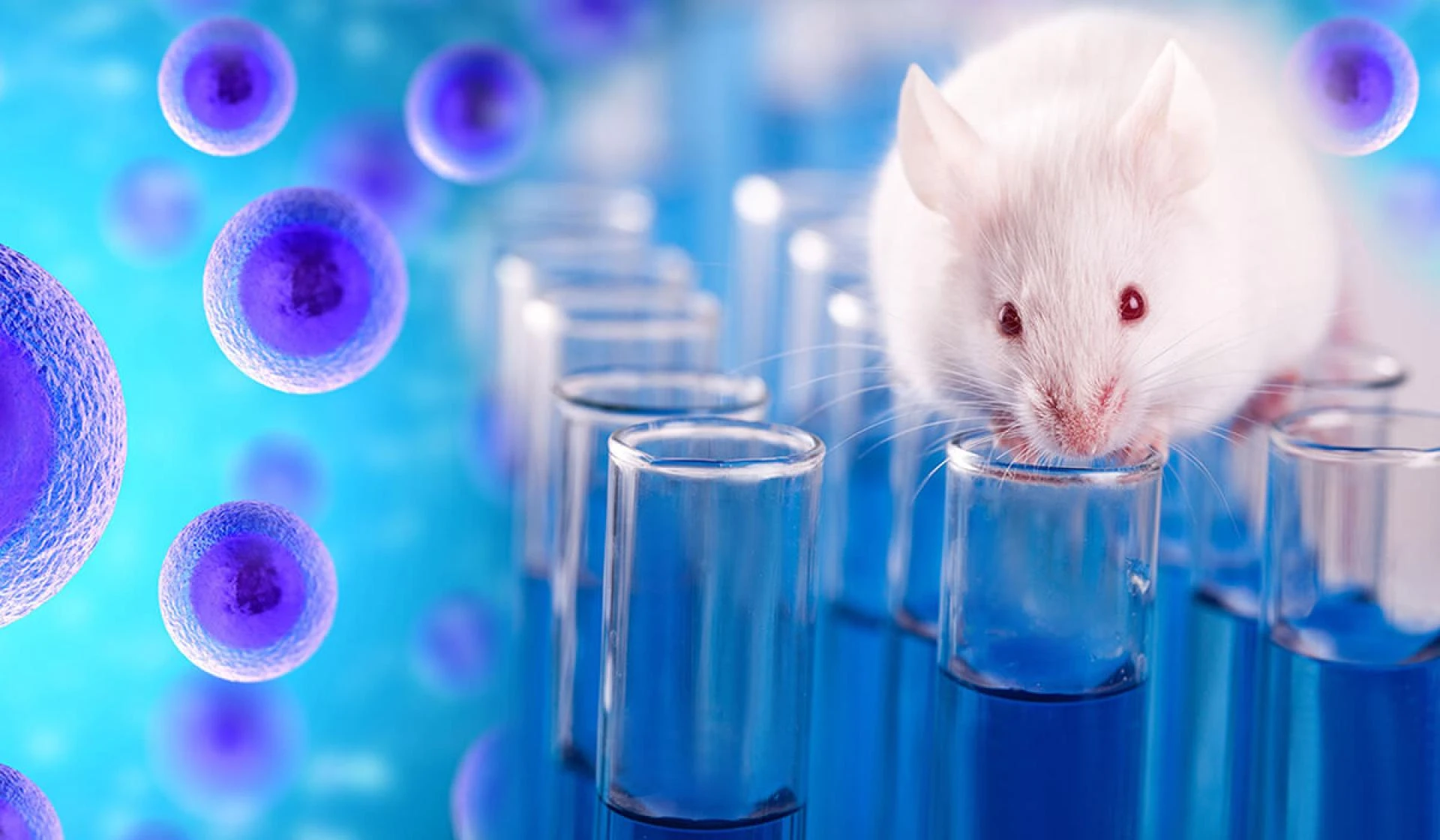
PDX models are created by surgically extracting tumor tissues from cancer patients and subsequently implanting them into immunocompromised mice. These mice serve as hosts for the transplanted human tumors, enabling the growth and propagation of the patient's tumor cells in an in vivo setting. This unique approach preserves the heterogeneity and characteristics of the original tumor, providing a valuable platform for studying tumor biology, therapeutic responses, and drug resistance mechanisms.
Enhancing Preclinical Drug Development:
PDX models offer a bridge between laboratory experiments and clinical trials, facilitating preclinical drug development. By replicating the tumor microenvironment and preserving the tumor heterogeneity, PDX models accurately simulate human tumors, providing researchers with a realistic setting to evaluate drug efficacy and toxicity. This enables the identification and prioritization of potential therapeutic candidates before they are tested in patients, optimizing the success rate of clinical trials and reducing time and resource wastage.
Unraveling Tumor Biology:
Cancer is a complex disease with diverse genetic and molecular alterations that contribute to tumor growth and progression. PDX models serve as valuable tools for unraveling the intricate biology underlying different cancer types. By studying the growth patterns, metastatic potential, and response to therapies in PDX models, researchers can gain insights into the mechanisms driving tumor development and identify novel targets for intervention. This deepened understanding of tumor biology enhances the development of tailored therapies that target specific molecular aberrations, increasing the likelihood of successful treatment outcomes.
Personalized Medicine and Biomarker Discovery:
PDX models enable the realization of personalized medicine, a revolutionary approach that aims to tailor treatments to individual patients. By creating PDX models from diverse patient tumor samples, researchers can predict the responsiveness of tumors to specific therapies, enabling clinicians to make informed decisions about the most effective treatment strategies for their patients. Additionally, PDX models serve as a powerful tool for biomarker discovery, allowing researchers to identify genetic and molecular signatures associated with drug resistance or sensitivity. Such biomarkers can guide the selection of appropriate therapies for individual patients, improving treatment outcomes and minimizing unnecessary side effects.
Overcoming Drug Resistance:
The emergence of drug resistance poses a significant challenge in cancer treatment. PDX models offer a unique platform to study and overcome drug resistance mechanisms. By treating PDX models with various therapeutic agents, researchers can monitor the development of resistance and identify novel strategies to combat it. Additionally, the ability to transplant drug-resistant tumors into PDX models from patients who have relapsed provides an opportunity to understand the underlying molecular changes that contribute to treatment failure. These insights can inform the development of combination therapies or alternative treatment approaches to overcome resistance and improve patient outcomes.
Conclusion:
In the relentless pursuit of effective cancer therapies, PDX models have emerged as indispensable tools for researchers and clinicians. Their ability to faithfully recapitulate the complexity of human tumors makes them valuable assets in advancing our understanding of tumor biology, facilitating preclinical drug development, and enabling personalized medicine. PDX models offer a glimpse into the future of oncology, where targeted therapies based on individual tumor characteristics become the norm rather than the exception. With continued advancements in technology and the expanding use of PDX models, the horizon of possibilities for novel targeted therapies grows brighter, bringing hope to patients and revolutionizing cancer treatment.











Sign in to leave a comment.