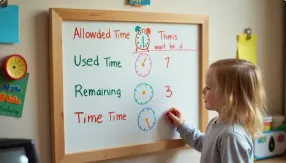

Your child may enjoy a learning app, but early education cannot happen through a screen alone. Strong pre-K programs use technology with purpose, while keeping play, movement, conversation, and hands-on discovery central.
Technology Should Support Learning, Not Replace It
When you explore pre-K programs in Grovetown GA, ask how technology fits into the daily learning plan. The key question is not whether screens appear, but what children gain from using them.
Georgia’s Early Learning and Development Standards guide learning across developmental areas and support intentional, age-appropriate experiences. Georgia Pre-K programs also emphasize interactions with materials, children, and adults.
Look for Purposeful Digital Activities
A strong classroom may use a short digital story, phonics activity, virtual experience, or interactive math task. The educator should connect that activity to discussion, movement, drawing, building, or another real-world task.
For example, children might watch a short video about insects, then search outdoors for bugs, count what they find, draw observations, and discuss how each insect moves and lives.
Hands-On Learning Should Lead the Day
Young children learn through doing. Blocks, puzzles, clay, books, water play, art materials, dramatic play, music, and outdoor exploration help children develop language, motor skills, problem-solving abilities, and social understanding.
Georgia’s Pre-K framework specifically supports interactive learning and classroom experiences that promote children’s engagement with materials, adults, and peers. This makes active learning an important factor for parents to examine.
Ask How Teachers Use Technology
When visiting a center, ask teachers what happens before and after screen activities. Does a teacher introduce the topic? Do children talk about it? Does the activity lead to something they can touch, create, test, or explain?
This simple question can reveal whether technology functions as an instructional tool or simply fills time. The difference matters because meaningful learning requires active participation, responsive teaching, and opportunities to explore.
Movement Should Stay Part of Learning
A balanced pre-K schedule gives children regular chances to move, explore space, and use their bodies. A screen should not replace outdoor play, dance, physical games, sensory activities, or fine-motor practice.
For Georgia families, this matters when comparing childcare options. A full-time daycare in Grovetown should offer more than supervision; you should look for a daily environment that supports physical, social, emotional, and cognitive development.
Social Learning Needs Real People
Children need face-to-face conversations to practice listening, sharing, turn-taking, cooperation, and emotional expression. Technology can support a lesson, but it cannot become the main setting for these important relationships.
The American Academy of Pediatrics also highlights the value of adult guidance and co-viewing when children use digital media. In classrooms, educators can provide that same guidance through questions and conversation.
Creativity Needs Open-Ended Experiences
A digital activity usually has a defined path, while open-ended play can lead in many directions. Building a tower, painting a picture, creating pretend stories, or designing with loose parts encourages children to make choices.
That freedom supports curiosity. A nurturing early learning environment gives children time to experiment, make mistakes, try again, and explain their thinking instead of simply selecting answers on a screen.
Check for Balance, Not Zero Screens
Parents do not need to reject technology completely. Instead, look for thoughtful use. Georgia’s Pre-K resources include both technology-based options and screen-free activities, showing that digital tools can sit alongside other learning experiences.
When comparing pre-K programs in Grovetown GA, ask about screen duration, educational purpose, teacher involvement, outdoor time, creative activities, and opportunities for peer interaction. These details provide a clearer view of classroom practice.
Choose a Classroom Built Around Curiosity
A strong early learning program helps your child feel safe enough to ask questions, explore materials, communicate ideas, and try unfamiliar tasks. Technology can support that process when educators use it intentionally.
Your best questions are practical: What does a typical day look like? How often do children use screens? What happens after screen activities? How much time goes toward play, movement, art, reading, and outdoor exploration?
A Balanced Approach Supports Whole-Child Learning
The right balance is simple in principle: use technology when it adds learning value, then return children to people, materials, movement, creativity, and real experiences. That approach keeps early education active, social, and meaningful.
For working parents, military families, and local professionals, choosing childcare means looking beyond convenience. You are choosing an environment where daily experiences can shape confidence, curiosity, relationships, and readiness for future learning.
A thoughtful pre-K classroom does not ask children to choose between technology and hands-on learning. It connects the two carefully, while keeping nurturing relationships, active play, exploration, and child-led discovery at the heart of early education.






















Sign in to leave a comment.