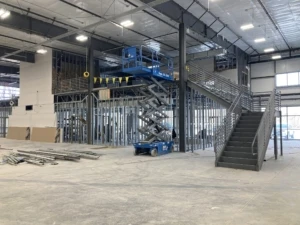

The foundation of a metal building is its backbone. A good foundation ensures the stability and safety of a structure. However, the type of soil and local weather conditions play an important role in deciding the longevity of these buildings. In this blog, we will read about how weather impacts steel buildings and provide tips for building the right foundation for steel buildings in Omaha.
Weather Conditions and Their Impact on Steel Building
Mother Nature can seriously affect the foundation and structure of Omaha steel buildings. High winds, heavy rain, and temperature changes can all impact commercial metal buildings. Let us see how:
Temperature Fluctuations: Extreme temperature fluctuations create a challenge to metal building foundations. During freezing temperatures, the soil around the foundation can undergo frost heaving, where the ground expands as water in the soil freezes. This expansion and contraction can cause movement and potential shifting of the foundation and even impact stability. On the opposite side, in hot climates, expansive soils contract and cause settlement issues.
Heavy Rains: Excessive rainfall and improper drainage can badly affect commercial metal building foundations. Heavy rain can saturate the soil which leads to erosion and foundation settling. In areas prone to flooding, proper water management and foundation design are important to prevent water-related damage.
High Winds: In areas with strong winds or storms, the lateral forces exerted on a metal building can influence its foundation. Wind-induced vibrations and pressures can contribute to soil erosion, especially in sandy or loose soils. Therefore, chose a metal building company that can design a foundation to resist these forces.
Choosing the Right Foundation for Commercial Metal Building:
The stability of your commercial steel building installation depends on selecting the right foundation type based on the soil and weather conditions. Here are some common foundation types and their suitability:
Soil Foundations: For areas with stable soils like rock, a simple soil foundation may be sufficient. This can be a cost-effective solution as there is no need of additional materials to construct this foundation. However, expansive or loose soils will require reinforced concrete or stone foundations. Having a concrete foundation can increase installation costs at the time of construction but they are value for money.
Asphalt Foundations: Asphalt foundations offer flexibility and durability, particularly in regions with stable soil conditions. This material adapts well to temperature changes and provides excellent load distribution. It is one of the preferred choices for steel building installations.
Gravel Foundations: Gravel foundations are known for their excellent drainage properties and load-bearing capacity. They are particularly suitable for areas with sandy or loamy soils where drainage is crucial. These foundations are often cost-effective, although they may require time to time maintenance to address settling or soil displacement.
Concrete Foundations: Concrete foundations are popular for their strength, stability, and durability. In areas with challenging soil conditions, such as expansive clay or peat, a strong concrete foundation may be the best choice to ensure long-term stability. While concrete foundations can have higher upfront costs and drying time, their durability and minimal maintenance add to long-term cost savings.
Key Considerations for Foundation Selection
When designing your commercial metal building project, consider the following factors to determine the best foundation type:
Type of Structure: The nature and purpose of your metal building will influence the foundation choice. A small storage shed may work with a simple soil foundation, whereas a large industrial facility may require a strong concrete foundation.Land Characteristics: Conduct a thorough soil analysis to understand the soil’s load-bearing capacity and stability. Topography and drainage patterns also play important roles in foundation selection.Wind Load: Consider the average wind speed in your region. High wind speeds can exert lateral forces on the structure, impacting stability. In areas prone to strong winds, a deeper foundation or additional anchoring may be necessary.Weather Conditions: Local weather conditions, including temperature fluctuations and rain, should be considered. Understanding how weather affects the soil and foundation helps in making an informed choice.Load Capacity: Assess the load capacity requirements based on equipment storage, heavy machinery, or additional floors. Accurate load assessment ensures the foundation type meets these demands efficiently, avoiding costly retrofits or upgrades.Conclusion
Understanding the impact of soil and weather on metal building installation is crucial for ensuring long-term stability and durability. By considering soil types and local weather conditions, you can make informed decisions about foundation types and construction practices. Whether you are planning to construct Omaha steel buildings or commercial metal buildings in Omaha, Lacey Construction is one of the best builders.
They provide their services to not just commercial but residential and industrial areas. If you want to build a new metal building or renovate an existing one, browse Lacey Construction now!


















Sign in to leave a comment.