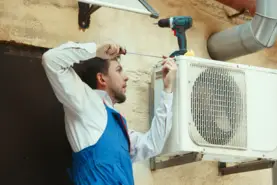

As the scorching summer days approach, having a reliable and efficient cooling system in your home becomes essential. Split system air conditioners have gained immense popularity for their energy efficiency, versatility, and ease of installation. Split system air conditioner installation is a task that those with some DIY experience can accomplish, but it’s important to approach the project with caution and a thorough understanding of the process.
Steps to install a split system air conditioner:
1. Planning and Preparation
Before you dive into the installation process, it’s crucial to start with thorough planning and preparation. Here’s what you need to do:
· Determine the Location: The first step is to choose the best location for your indoor and outdoor units. The indoor unit should be placed in a spot where it can distribute cool air evenly throughout the room. It should also be installed at a height that allows for proper airflow. The outdoor unit should be placed in a well-ventilated area where it can expel hot air without obstruction.
· Electrical Requirements: Ensure you have the appropriate electrical connections for your air conditioner. Depending on the unit’s size, you might need a dedicated circuit and specific amperage. It’s essential to consult with a professional electrician to make sure you meet these requirements.
· Tools and Materials: Gather all the necessary tools and materials for the installation, including a drill, mounting brackets, refrigerant lines, a vacuum pump, a torque wrench, and copper pipes. You’ll also need a hole saw to create a passage for the refrigerant lines.
· Safety Gear: Safety should be a priority during the installation process. Wear proper safety equipment, including gloves and safety glasses, to protect yourself from possible dangers.
2. Installation of the Indoor Unit
The indoor unit is responsible for cooling and circulating the air throughout the room. Follow these steps to install it:
· Wall Mounting: Use a spirit level to ensure the indoor unit is mounted horizontally. Drill holes into the wall, insert wall plugs and secure the mounting bracket in place. Make sure it’s robust enough to support the weight of the unit.
· Piping and Wiring: Drill a hole through the wall to connect the indoor and outdoor units. Thread the refrigerant lines, power cable, and control wires through the hole. Ensure they are all properly insulated and sealed.
3. Installation of the Outdoor Unit
The outdoor unit includes the compressor, fan, and condenser coil. Here’s how to install it:
· Secure Placement: Set the outdoor unit on a level and stable surface. Make sure it’s positioned in a way that allows for proper airflow and easy access for maintenance.
· Refrigerant Line Connection: Connect the refrigerant lines from the indoor unit to the outdoor unit. Be meticulous in tightening the connections with a torque wrench to prevent any refrigerant leaks.
· Electrical Connections: Similarly, connect the power cable to the outdoor unit as the user manual specifies. As mentioned earlier, this step may require the expertise of a licensed electrician.
· Refrigerant Charging: This is a critical step. Use a vacuum pump to take outmoisture and air from the refrigerant lines. After evacuating the lines, charge the system with the appropriate amount of refrigerant, following the manufacturer’s guidelines. Having the right tools and knowledge for this task is important, so consulting a professional is advisable.
4. Testing and Troubleshooting
Once the indoor and outdoor units are installed and connected, it’s time to test the system and troubleshoot any issues:
· Power On: Switch the power to both the indoor and outdoor units. Ensure that the indoor unit’s display indicates that it’s receiving power.
· Mode and Temperature Setting: Test the different modes (cooling, heating, fan) and temperature settings to verify that the unit responds correctly to your commands.
· Airflow and Vents: Check if the air is flowing from the indoor unit as expected and that the vents are distributing the air evenly.
· Refrigerant Leaks: Use a leak detector to inspect the refrigerant lines and connections for leaks. If you detect any, addressing them promptly is essential to prevent refrigerant loss and system inefficiency.
· Noise and Vibration: Listen if there are for any strange noises or excessive vibration. A well-installed system should operate quietly and smoothly.
· Cooling and Heating Efficiency: Measure the temperature of the air coming from the indoor unit to ensure it’s reaching the desired level of cooling or heating.
5. Professional Inspection
While the above steps provide a general guideline for split system air conditioner installation, it’s important to note that this task may require specific skills and tools. If you are not confident in your abilities or have doubts during the installation process, it’s highly recommended to seek professional assistance. An HVAC technician will ensure a safe and accurate installation and that your unit complies with local regulations and warranty requirements.
Conclusion
Installing a split system air conditioner can be rewarding, but it requires careful planning. Safety should always be a top priority, and if at any point you feel unsure about the process, do not hesitate to consult with a qualified HVAC professional. Remember that proper installation is the key to the long-term efficiency and performance of your split system air conditioner, so take your time and do it right.










Sign in to leave a comment.