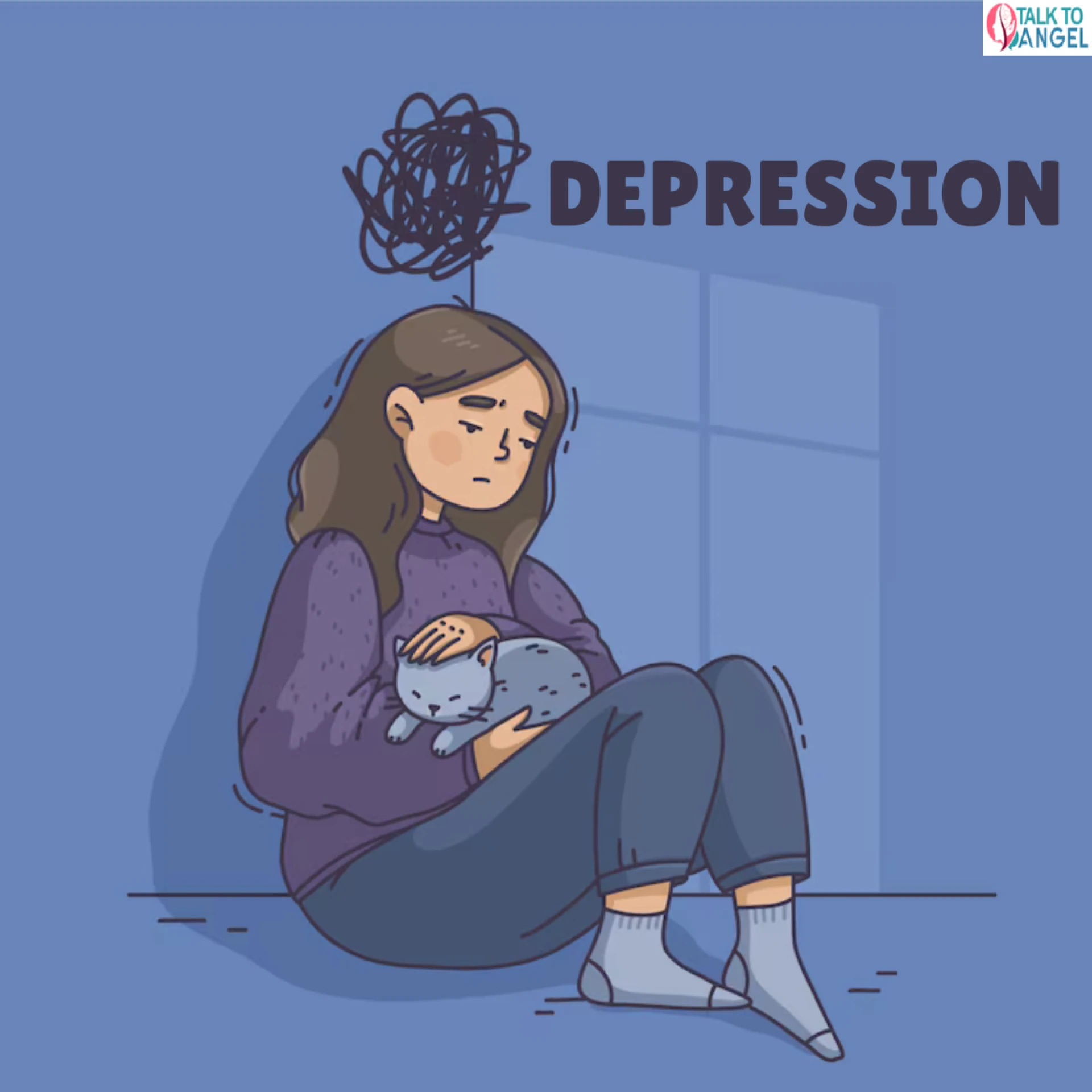

Depression is one of the most common mental health disorders, affecting people across all age groups, cultures, and backgrounds. When someone begins counselling as a form of depression treatment, one of the most pressing questions they may ask themselves is: “Is this helping?” Unlike physical illnesses, where improvement may be visible or measurable, emotional healing can be more subtle and gradual.
If you’ve started therapy or are considering it, understanding the signs that counselling is working — or not — is essential to getting the most out of your experience. Let’s explore how you can assess progress in therapy, what to expect over time, and how to identify when changes in approach might be needed.
Understanding Depression Symptoms and Counselling
Before evaluating progress, it's important to understand what you're working to change. Common depression symptoms include:
- Persistent sadness, emptiness, or hopelessness
- Absence of excitement or love for previously enjoyable activities
- Difficulty concentrating or making decisions
- Changes in sleep patterns (insomnia or oversleeping)
- Appetite changes and weight fluctuations
- Fatigue or lack of energy
- Feelings of guilt, worthlessness, or helplessness
- Suicidal thoughts or behaviors
Counselling, particularly evidence-based approaches like Cognitive Behavioral Therapy (CBT), Interpersonal Therapy (IPT), or Psychodynamic Therapy, targets these symptoms by helping individuals identify negative thought patterns, unresolved emotional conflicts, and unhealthy coping mechanisms. The process is collaborative, with therapists guiding clients toward better emotional resilience, improved relationships, and greater self-understanding.
How to Tell If Counselling Is Helping
1. Reduction in Depression Symptoms
One of the most obvious signs that counselling is effective is a reduction in the severity or frequency of your depression symptoms. This does not imply that you are "healed," but you may observe:
- You're not crying as often
- Hopeless thoughts are less overwhelming
- You’re starting to sleep better or eat more regularly
- Energy levels are improving
- Suicidal ideation is less intense or absent
Keep in mind that progress can be uneven — some days may still be tough, but the general trend should be toward improvement.
2. Improved Self-Awareness
Therapy helps you have a better understanding of who you are. If you find yourself more aware of your emotional triggers, your internal thought processes, and your behavioral patterns, that’s a sign that counselling is working. Long-term change frequently starts with this self-awareness.
You might say things like:
- "I had no idea that I always think about the worst parts of myself."
- “I noticed I felt anxious when my manager gave me feedback, and I connected it to past criticism.”
- This growing awareness is a key part of effective depression treatment.
3. Healthier Coping Strategies
If you're replacing destructive behaviors like isolation, substance use, or emotional avoidance with healthier alternatives — journaling, mindfulness, physical activity, or reaching out to friends — your therapy is producing tangible results.
You're learning new tools and using them in your daily life, which is a clear indicator of progress.
4. Better Relationships and Communication
Depression often isolates individuals and strains relationships. If counselling is working, you may notice improvements in how you relate to others:
- You're more assertive or expressive
- You’re rebuilding or strengthening connections
- You’re resolving conflicts more calmly
- You feel less alone or misunderstood
Therapy often focuses on interpersonal skills, which can lead to stronger support systems — a key protective factor in depression treatment.
5. You're Setting and Achieving Goals
People struggling with depression often lose motivation or struggle with basic tasks. If you find yourself setting personal goals (even small ones) and taking steps to achieve them, that’s a meaningful sign that therapy is having a positive effect.
This could be as simple as cooking a meal, applying for a job, or returning to hobbies you once enjoyed.
6. Greater Emotional Regulation
Another important marker is emotional regulation — your ability to manage distressing feelings without becoming overwhelmed. Even if difficult situations arise, you might find you're handling them more calmly, reflecting before reacting, or bouncing back more quickly.
You might notice, “I had a really bad day, but I didn’t spiral like I used to.”
When Counselling May Not Be Working
Despite your efforts, sometimes therapy doesn’t seem to help. If you’ve been in therapy for several months with no improvement or worsening of depression symptoms, it might be time to evaluate:
- Therapist fit: Progress may be impeded by a mismatch in personality, communication style, or therapeutic method.
- Type of therapy: Not every method works for everyone. You may respond better to CBT than psychodynamic therapy, or vice versa.
- External factors: Stressors like financial problems, chronic illness, or toxic relationships can block therapeutic gains if left unaddressed.
- Co-occurring issues: Conditions such as anxiety, trauma, or substance abuse may need parallel treatment.
Don’t hesitate to discuss your concerns with your therapist. Good therapists welcome feedback and are willing to adapt the treatment plan or refer you to a different specialist if needed.
How Long Does It Take to See Results?
Therapy is not a quick fix. For many people, it can take 6 to 12 sessions to see meaningful change. Some may benefit from short-term interventions, while others with deep-rooted issues may need ongoing support over a longer period.
Consistency and honesty in the therapeutic process, along with regular self-reflection, can accelerate your progress. Some people also combine counselling with other forms of depression treatment, like medication, support groups, or lifestyle changes, which can further enhance outcomes.
Keeping Track of Your Progress
- Journaling: Track your mood, thoughts, and behaviors over time.
- Mood rating scales: Use tools like the PHQ-9 (Patient Health Questionnaire) to measure symptom severity.
- Therapy objectives: Together with your therapist, establish clear objectives and go over them frequently.
- Feedback sessions: Dedicate time in therapy to discuss what’s working and what isn’t.
- Conclusion
Recognizing whether counselling is working for depression isn’t always straightforward. It involves noticing subtle shifts in thinking, mood, and behavior over time. While depression symptoms may not vanish overnight, consistent effort, a supportive therapeutic relationship, and a willingness to engage in the process can lead to significant transformation.
Counselling is a journey, not a destination. Trust the process, be patient with yourself, and remember: seeking help is a powerful step toward healing. If you're uncertain about your progress, speak openly with your therapist. Together, you can assess what's working, refine your approach, and keep moving forward on the path to recovery.








Sign in to leave a comment.