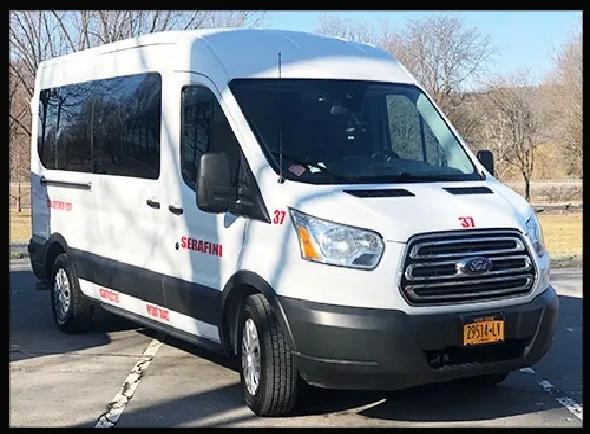

To safely book long distance medical transportation, begin by identifying the patient’s exact mobility needs, confirm the type of medical transport required, review vehicle accommodations, and obtain clear written confirmation of scheduling and pricing. A structured process ensures the transport supports safe handling, proper coordination, and organized execution from pickup through arrival.
Families arranging medical transport often move quickly, yet they still compare carefully before making a final decision. They look for clarity, defined services, and confidence that the provider understands how to manage medical transfers responsibly. Clear service explanations and organized communication help remove uncertainty at this stage.
What steps should I follow to safely book medical transport?
Use a structured sequence that reflects how professional medical transport is planned:
- Confirm the patient’s mobility status and assistance requirements.
- Determine whether wheelchair or stretcher transport is necessary.
- Verify vehicle suitability for the specific transfer.
- Review pickup timing and destination coordination.
- Request written confirmation of services and pricing details.
This approach keeps the booking focused on safety and service alignment rather than availability alone.
Defining Mobility and Assistance Requirements
Accurate classification of the patient’s condition shapes the entire transfer. A patient who can remain seated upright requires a different vehicle setup than one who needs stretcher support. Assistance during boarding and exiting also varies depending on mobility limitations.
Long distance medical transportation involves extended travel time, so proper positioning and equipment selection must be determined before scheduling. Clear disclosure during booking allows the provider to assign the appropriate vehicle and prepare accordingly.
Clarifying the Purpose of the Medical Transfer
Medical transport commonly supports scheduled appointments, hospital discharge transportation, and transfers between care facilities. Each situation requires defined timing and coordination.
When the purpose of the trip is clearly communicated, scheduling can align with discharge timelines or appointment windows. Organized coordination reduces last minute changes and supports smoother transitions between care settings.
Vehicle Standards and Safe Handling Procedures
Vehicle readiness directly affects patient stability. Confirm that the vehicle accommodates mobility equipment and allows secure positioning throughout travel.
Key safety elements include:
- Secure wheelchair or stretcher placement.
- Assisted boarding and exit procedures.
- Clean and properly maintained interior space.
- Sufficient space to maintain patient comfort during extended travel.
Medical transportation services must support controlled handling from departure through arrival.
How does a professional booking process work?
A structured booking conversation should cover mobility status, pickup and destination details, required assistance, and timing. Clear intake questions help determine vehicle selection and preparation needs.
Written confirmation of trip details reinforces accountability. Transparent communication before the transport date reflects operational organization and reduces misunderstandings. Serafini Transportation provides medical transportation services that emphasize coordinated scheduling and appropriate vehicle assignment for extended transfers.
Comparing Providers Based on Operational Clarity
Effective comparison focuses on measurable service elements rather than price alone.
Evaluate providers by reviewing:
- Alignment between service scope and patient needs.
- Clarity of booking communication.
- Suitability of vehicles for medical transport.
- Transparency in written pricing and trip confirmation.
This framework supports objective evaluation and informed decision making.
Preventing Common Booking Errors
Booking without clearly defining mobility requirements can result in improper vehicle selection. Assuming that all transport providers offer identical accommodations may create gaps in service. Failing to obtain written confirmation can lead to confusion regarding timing or cost.
Careful verification at each step prevents complications and supports responsible planning.
What questions confirm patient safety during the trip?
Ask the provider to explain how staff assist during boarding, how mobility equipment remains secured throughout travel, and how scheduling coordination occurs with the receiving location. Clear and direct answers demonstrate preparation and structured service delivery.
Final Words
Booking long distance medical transportation requires attention to detail and service alignment. When you confirm mobility needs, clarify the transfer purpose, review vehicle standards, and secure written documentation, you transform a complex task into a well organized and confident decision.




























Sign in to leave a comment.