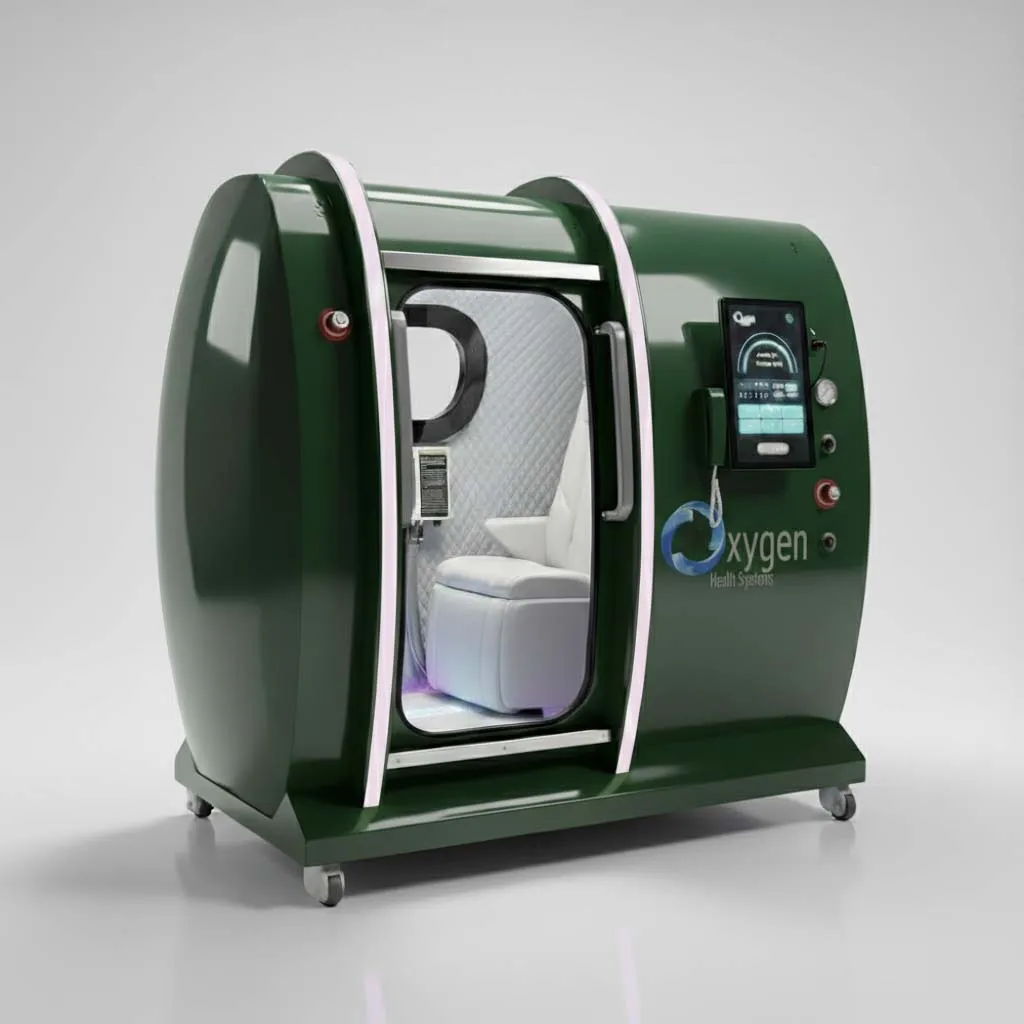

A hard shell hyperbaric chamber is like a strong, clear tube (or a room) that can safely hold extra air pressure. Inside it, a person breathes oxygen while the pressure is higher than normal. This is called hyperbaric oxygen therapy (HBOT).
People often hear big claims about “oxygen therapy”, so it helps to understand what is real, what is still being studied, and what a session is actually like. I’ll explain it in simple words, with the main medical uses, and the safety points you should know.
What is a hard shell hyperbaric chamber?
A hard shell hyperbaric chamber is made from rigid materials (often acrylic and metal). Because it is strong, it can be pressurised to levels used in medical HBOT.
You will mainly see two styles:
- Monoplace chamber: built for one person. It often looks like a long clear capsule.
- Multiplace chamber: built like a small room, where more than one person can sit or lie down.
In the USA, companies such as Oxygen Health Systems share educational information about these chambers and how they are used in clinical settings. (Brand names can be helpful for learning, but your care should always be guided by trained medical professionals.)
How does a hard shell hyperbaric chamber work? (Step by step)
HBOT sounds fancy, but the basic idea is simple: more pressure + oxygen = more oxygen delivered around the body.
1) The chamber is sealed and pressurised
Once you are inside, the chamber is closed and the pressure is slowly increased. This feels a bit like being in a plane going down to land.
Pressure is often described using “ATA” (atmospheres absolute). Normal air pressure is 1 ATA. In HBOT, pressure may be increased above that level.
2) You breathe oxygen in a controlled way
Depending on the type of chamber:
- In a monoplace unit, the chamber may be filled with oxygen (common in many clinical designs).
- In a multiplace unit, the chamber is usually pressurised with air, and patients breathe oxygen through a mask or hood.
Either way, the goal is to raise the oxygen level you breathe while under higher pressure.
3) More oxygen gets into your blood (even the liquid part)
Here is the key point: under higher pressure, more oxygen dissolves into the plasma (the liquid part of your blood), not just the red blood cells. This can help oxygen reach areas where circulation is poor.
4) The session ends with a slow return to normal pressure
At the end, the pressure is reduced slowly. This helps lower the risk of ear or sinus problems.
hard shell hyperbaric chamber benefits: what is happening inside the body?
If HBOT is applied properly, the primary outcomes sought by physicians are the following:
- Better oxygenation of the tissues that suffer from poor oxygen delivery (such as injured skin or wounds healing slowly).
- Wound healing, since oxygen is a crucial ingredient for collagen synthesis and tissue construction.
- Treatment of some infections, as there are some pathogens that cannot survive in oxygen-rich environment, and oxygen can help boost the immune system function.
- Decreased swelling (oedema) in some cases of injuries, due to the effect of oxygen on inflammation and tissue fluids..
- Support for new blood vessel growth (angiogenesis) during healing in specific cases.
These are not magic powers. They are body processes that need the right diagnosis, the right pressure, the right timing, and proper medical supervision.
Common medical uses (where HBOT is well recognised)
HBOT is used in hospitals and specialist centres for certain conditions. Examples that are widely recognised in hyperbaric medicine include:
- Decompression sickness (for example, in divers)
- Arterial gas embolism
- Carbon monoxide poisoning
- Gas gangrene
- Certain severe soft tissue infections (like necrotising infections)
- Crush injuries and problem swelling in selected cases
- Delayed radiation injury (for example, after radiotherapy in some patients)
- Diabetic foot ulcers that meet specific clinical criteria
- Compromised skin grafts and flaps
Only a qualified clinician can decide if HBOT fits your situation. Some other uses you may see online are still being studied, have mixed evidence, or may not be appropriate for everyone.
Where a Multiplace hyperbaric chamber fits in
A Multiplace hyperbaric chamber is different from a single-person unit because it can treat several people at once. It is often used in hospitals, military settings, or larger hyperbaric facilities.
In a multiplace chamber:
- Staff can sometimes go inside to support patients.
- Patients may sit and breathe oxygen via a mask or hood.
- It can be helpful when a facility needs to treat more than one patient, or when close observation is needed.
Hard shell chambers (both monoplace and multiplace) are built to handle higher pressures than soft-sided chambers, which is one reason they are commonly used in medical-grade HBOT settings.
Safety basics (and who needs extra care)
HBOT is generally safe when properly run, but it is not something to try casually. Risks involved:
- Pressure-related trauma to the ears or sinuses
- Some patients develop temporary visual disturbances due to multiple exposures
- Toxicity from oxygen (uncommon when protocols are adhered to, but still a possibility)
- Fear of confined spaces
- Fire hazard considerations (oxygen-rich environment requires special precautions)
- Inform the clinic about any existing asthmatic symptoms or respiratory, ear problems, sickness or if you are on any medication.
This article is general information, not medical advice. Always speak to a qualified clinician before starting HBOT.
What a session feels like (real-life view)
Most people lie down or sit comfortably. You might:
- Feel ear popping (like on a plane)
- Watch a screen, listen to music, or rest
- Be asked to breathe in set cycles, depending on the protocol
Sessions often last around 60–120 minutes, depending on the medical plan.
Quick FAQs (clear answers)
Is a hard shell chamber better than a soft chamber?
Hard shell chambers can usually reach higher pressures used in medical HBOT. Soft chambers often run at lower pressures and may be used differently. “Better” depends on the medical goal and professional guidance.
How many sessions do people need?
It depends on the condition. Some problems may need only a few sessions, while slow-healing wounds can require a longer course. A clinician decides this based on progress.
Do the hard shell hyperbaric chamber benefits apply to everyone?
No. Benefits depend on the diagnosis, the protocol used, and your health situation. For some conditions, HBOT is well supported. For others, evidence may be limited or mixed.
Is it available in the USA?
Yes. The USA has hospital-based and outpatient hyperbaric centres. Manufacturers and educators, including Oxygen Health Systems, also provide general information about chamber types and safety, but treatment decisions should come from medical professionals.
Final thoughts
A hard shell hyperbaric chamber works by safely increasing pressure and oxygen so your body can carry more oxygen to areas that need help. Used for the right medical reasons, it can support healing and recovery. The smartest next step is always a proper medical assessment, so HBOT is used safely and for the right goal

























Sign in to leave a comment.