
Breathing is a fundamental and automatic function of the human body. While we often take it for granted, monitoring our respiratory rate can provide valuable insights into our overall health. The respiratory rate, measured in breaths per minute (BPM), can vary significantly from person to person and is influenced by various factors, including age. Understanding the intricacies of this process becomes accessible through science tuition at Miracle Learning Centre. Here, we delve into the captivating world of respiratory rates, unraveling their importance, age-related variations, and how science tuition can empower us with this knowledge.
Understanding Respiratory Rate
Respiratory rate, often referred to as the breathing rate or ventilation rate, is a vital sign that healthcare professionals use to assess a person's well-being. It represents the number of breaths a person takes per minute, encompassing both inhalation and exhalation. Typically, it is measured when an individual is at rest, as physical activity can temporarily increase the respiratory rate.
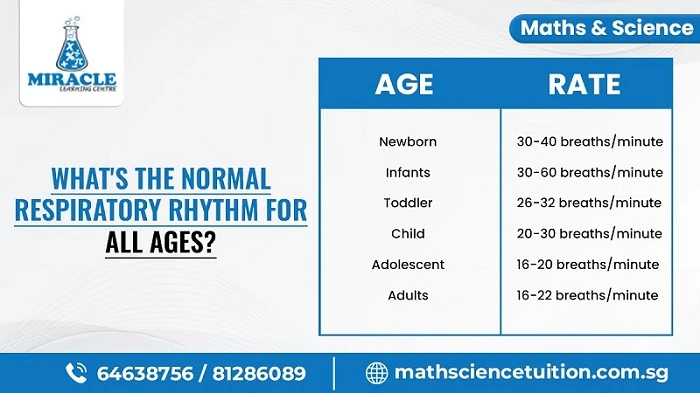
Normal Respiratory Rate by Age:
Infants (0-1 year):
Normal Range: 30-60 breaths per minute
Infants have a relatively high respiratory rate because their lungs and respiratory system are still developing. Their tiny lungs require more rapid breaths to maintain adequate oxygen levels.
Toddlers and Preschoolers (1-5 years):
Normal Range for Toddlers (1-2 years): 24-40 breaths per minute
Normal Range for Preschooler (3-5 years): 20-34 breaths per minute
As children grow, their respiratory rates decrease, but they still breathe faster than adults. This helps meet the higher oxygen demands of their growing bodies.
Children (6-12 years):
Normal Range: 18-30 breaths per minute
By this age, children's respiratory rates become more similar to adults. Their lung capacity and oxygen demands have stabilized, resulting in a slower and steadier breathing pattern.
Teens and Adults (13-64 years):
Normal Range: 12-20 breaths per minute
For most adolescents and adults, a respiratory rate of 12-20 breaths per minute is considered normal. However, individual variations exist, and factors such as fitness level, health status, and activity level can influence respiratory rate.
Seniors (65+ years):
Normal Range: 12-20 breaths per minute
Older adults generally have a similar normal respiratory rate as younger adults. However, respiratory rates can vary more widely in seniors due to factors such as lung function decline and chronic health conditions.
Factors Influencing Respiratory Rate
While age plays a significant role in determining what is considered a normal respiratory rate, several other factors can influence it. These include:
Physical Activity: Engaging in strenuous exercise can significantly increase the respiratory rate as the body requires more oxygen to meet the increased demand for energy. Health Conditions: Medical conditions such as asthma, chronic obstructive pulmonary disease (COPD), and respiratory infections can affect the respiratory rate. In these cases, a higher or lower rate may be observed. Medications: Some medications, like opioids or sedatives, can depress the respiratory system, leading to a slower breathing rate. Stress and Anxiety: Emotional factors can also impact the respiratory rate. Anxiety or stress can lead to rapid, shallow breathing.How to Measure Your Respiratory Rate
You can measure your respiratory rate at home with a few simple steps:
Find a comfortable, quiet place to sit or lie down. Rest one hand on your chest and the other on your abdomen. Count the number of complete breaths (one inhalation and one exhalation) for one minute. Alternatively, you can count for 30 seconds and multiply by 2 to get your breaths per minute. Ensure you are at rest and not engaged in any strenuous activity while measuring your respiratory rate.What Does Having an Irregular Breathing Rate Mean?
While we've discussed what is considered a normal respiratory rate based on age, it's equally important to understand what an irregular breathing rate signifies. An irregular breathing rate refers to a deviation from the expected or typical respiratory pattern. Such irregularities can manifest in various ways, and they may have different underlying causes. Here's a closer look at what an irregular breathing rate might indicate:
Tachypnea:
Tachypnea is a condition characterized by abnormally rapid breathing. This often results in a respiratory rate significantly above the normal range for one's age. Tachypnea can be caused by a variety of factors, including:
Fever or infection Anxiety or stress Medications, such as stimulants Metabolic disorders Lung conditions like asthma or pneumonia Heart problemsIf you or someone you know experiences persistent tachypnea, it is crucial to seek medical attention as it may indicate an underlying health issue that requires evaluation and treatment.
Bradypnea:
On the opposite end of the spectrum, **bradypnea** refers to abnormally slow breathing. Individuals with bradypnea have a respiratory rate that falls below the normal range for their age group. Bradypnea can occur due to several reasons, including:
Medications like sedatives or opioids Certain medical conditions affecting the central nervous system Sleep disorders like sleep apnea Hypothyroidism Brain injuryBradypnea can be a concerning sign, especially if accompanied by symptoms like dizziness, confusion, or fainting, as it may indicate a problem with oxygen delivery to the body's tissues.
When to Seek Medical Attention
If your respiratory rate falls outside the normal range for your age group or if you experience any of the following symptoms, it's crucial to consult a healthcare professional:
Persistent shortness of breath Rapid or shallow breathing Chest pain Bluish or pale skin color Confusion or altered mental status Severe coughing or wheezing High feverHow Science Tuition Can Empower Us about it:
In our quest for a deeper understanding of vital signs like respiratory rate, science tuition emerges as an essential tool. Education plays a pivotal role in empowering individuals with the knowledge they need to make informed decisions about their health. Science tuition not only fosters an appreciation for the intricate workings of the human body but also equips us with the ability to interpret and apply this knowledge effectively.
By enrolling in a reputable science tuition centre in Singapore, such as Miracle Learning Centre, students can gain a deeper understanding of the physiological processes that govern the respiratory system and its variations across different age groups. This knowledge not only helps students excel academically but also equips them with practical insights into monitoring their own health and the health of others.
Conclusion
Monitoring your respiratory rate can provide valuable insights into your health and well-being. While what is considered a normal respiratory rate varies with age, it's important to remember that individual variations exist, and any significant deviations should be discussed with a healthcare provider.
To gain comprehensive insight into the respiratory rate , science tuition is a valuable tool. The Miracle Learning Centre, a distinguished science tuition centre in Singapore, offers students the opportunity to explore the wonders of respiratory system indepth. For a deeper understanding of these fascinating realms, visit their website and embark on a journey to unravel the mysteries of the human body.






















Sign in to leave a comment.