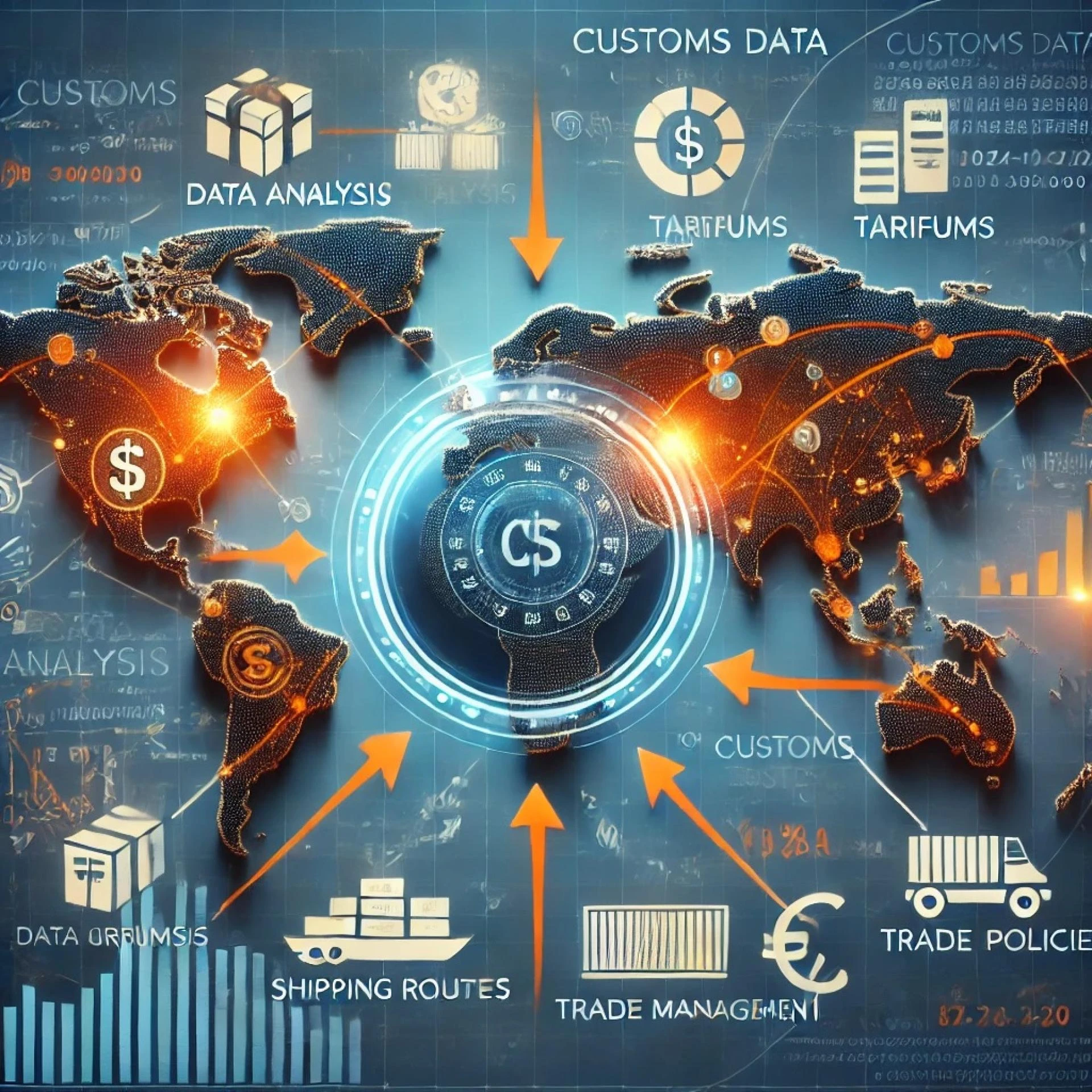
Customs data serves as one of the most powerful tools for governments in managing tariffs and shaping trade policies. Here's how it plays a crucial role in these areas:
1. Monitoring Trade Flows & Market Trends 📊
Customs data provides detailed insights into the flow of goods across borders. Governments can analyze information such as the volume, value, and types of products being imported and exported. By monitoring these trends, countries can pinpoint areas where they might be running trade deficits or where certain industries are being overwhelmed by foreign products. This enables policymakers to adjust tariff policies accordingly to protect local industries and correct imbalances.
2. Informing Tariff Decisions Based on Real Data 📈
Customs data enables governments to make data-driven decisions when adjusting or implementing tariffs. For example, if a country sees a rapid influx of certain foreign products at below-market prices (dumping), customs data can highlight this trend and help implement corrective tariffs to safeguard local businesses. Similarly, if certain sectors are struggling due to tariffs, customs data might reveal trade reductions, prompting policymakers to lower those tariffs to encourage growth.
3. Enhancing Trade Compliance and Enforcement ⚖️
Managing tariffs isn't just about setting the right rate — it's about enforcing it effectively. Customs data helps governments track the classification and valuation of goods entering and exiting the country. By identifying discrepancies or misclassifications, customs data ensures that tariffs are applied correctly and fairly. Governments can investigate suspicious activities (like undervaluation) or detect evasion strategies, enhancing overall compliance with international agreements.
4. Strengthening Trade Negotiations 🤝
When nations engage in trade negotiations, accurate data is crucial. Customs data empowers negotiators with real-time insights into trade patterns, showing the actual import/export landscape rather than relying on estimates or incomplete statistics. This evidence-based approach allows countries to engage more effectively in bilateral trade talks, ensuring that trade agreements align with the latest economic realities and protect national interests.
5. Tracking the Impact of Trade Policy Changes 🛠️
Once tariffs are adjusted, it’s important to understand their effects. Customs data allows governments to track how changes in tariffs impact trade flows and the local economy. By continuously monitoring the data, policymakers can determine if further adjustments are necessary, optimizing tariffs in line with shifting market dynamics. This ongoing feedback loop ensures that trade policies remain responsive and relevant in a constantly changing global market.
Conclusion: The Role of Customs Data in Effective Tariff Management 📦
In conclusion, customs data is more than just a tool for tracking shipments — it’s a dynamic resource that helps shape and refine trade policies. Through accurate monitoring, data-driven tariff decisions, strengthened trade enforcement, and improved negotiation strategies, countries can ensure that their tariffs serve as effective tools for economic growth, national security, and global trade balance. With such a wealth of real-time insights, governments are better equipped to navigate the complex landscape of international trade.
By leveraging customs data effectively, countries can craft trade policies that not only defend their interests but also promote healthy, balanced bilateral trade relationships with other nations.









Sign in to leave a comment.