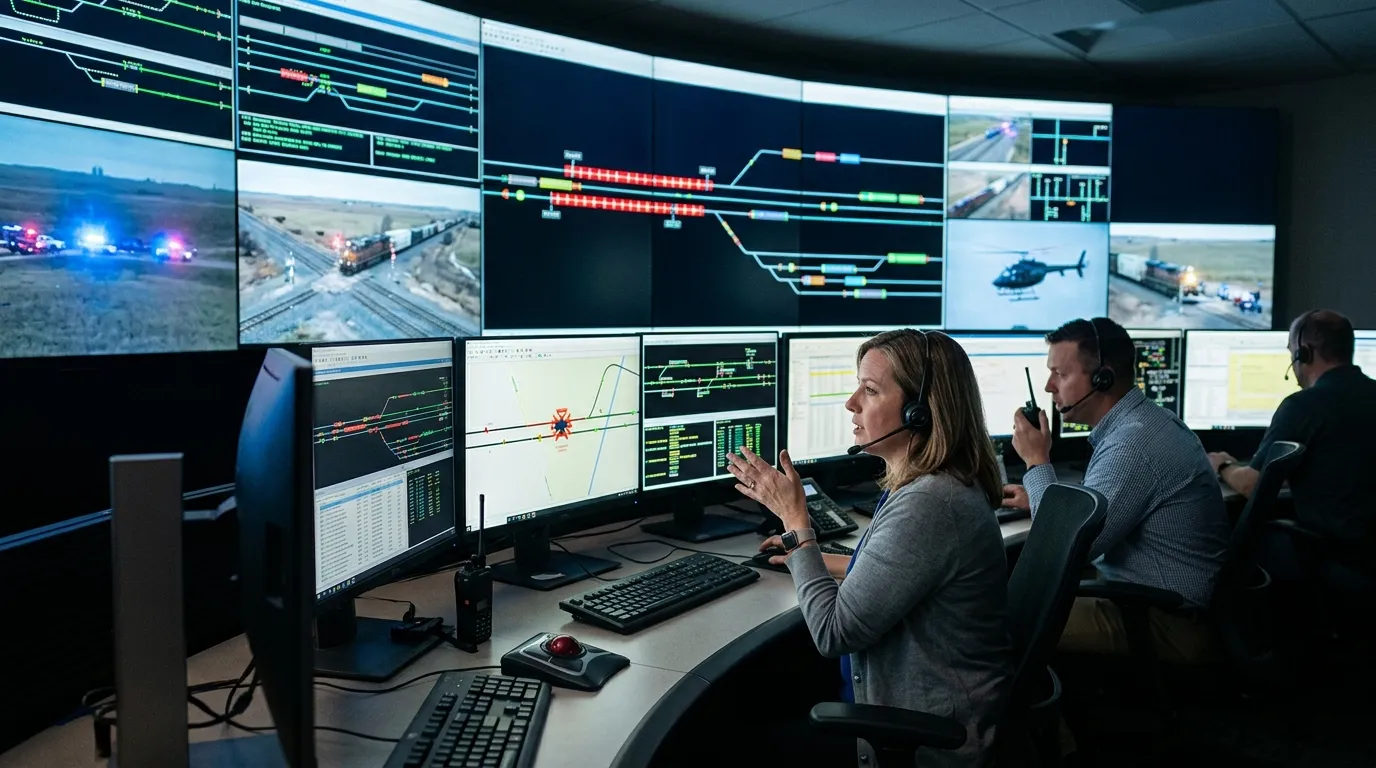

When a train hits trouble, seconds matter. And who’s making sure the response is fast, organized, and safe? It’s not just the engineers or the emergency crews-it’s the people behind railroad dispatching pulling the strings from the control center.
Think of a railroad dispatching team as the brains of the operation. They don’t just tell trains when to move; they also act as the first line of coordination when something goes wrong on the tracks. From derailments to fires or hazmat spills, effective railroad dispatching can turn a chaotic situation into a controlled, fast‑moving response.
What Is Railroad Dispatching and Why Does It Matter for Safe Rail Operations?
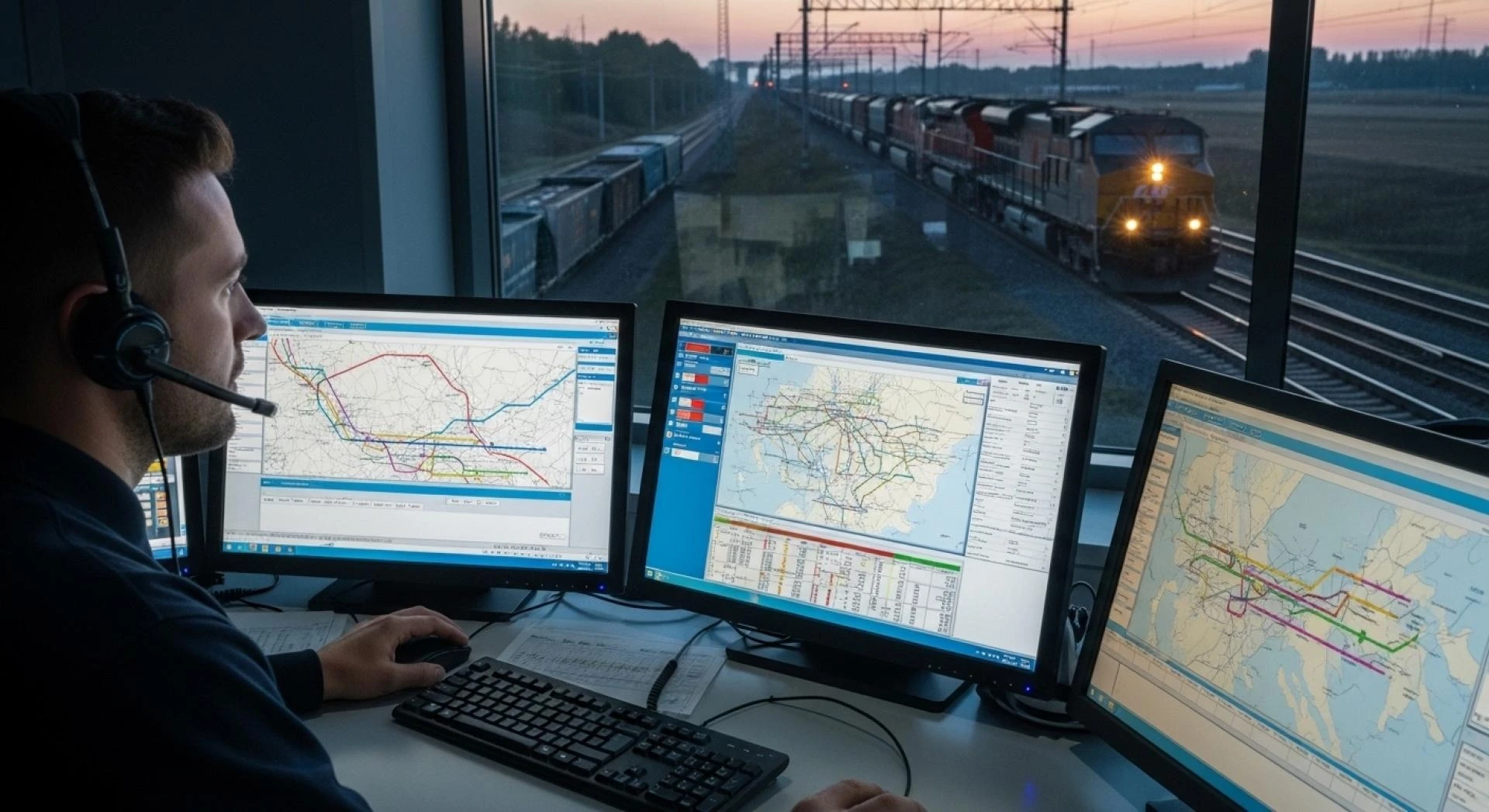
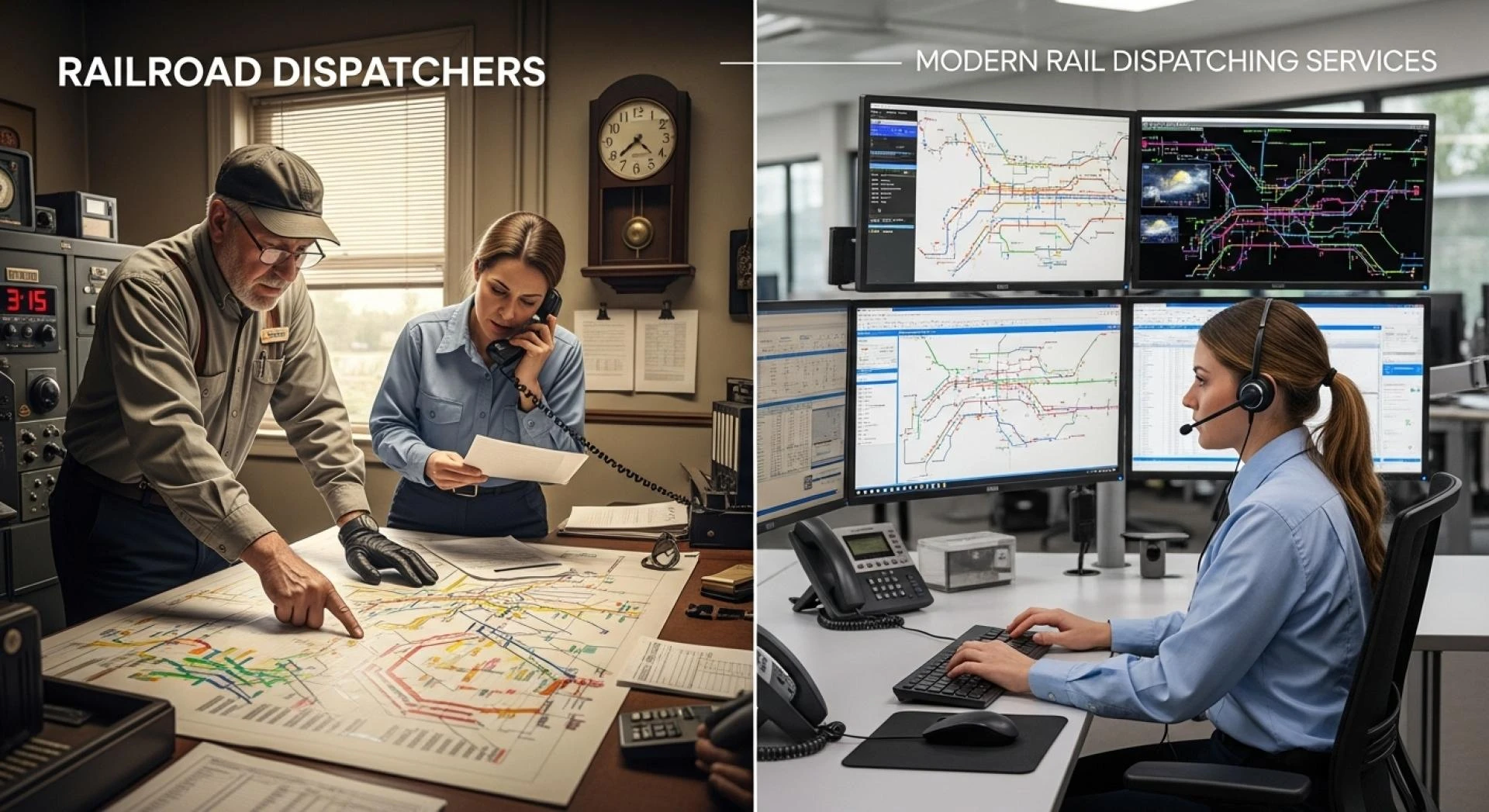
Railroad dispatching is the system that manages where trains go, when they move, and how they interact on shared tracks. It occurs in centralized control centers that use real‑time data, software tools, and safety systems.
For rail contracting companies and teams that work on or near the tracks, reliable railroad dispatching is what keeps their crews safe, organized, and in the right place at the right time. Without it, there’s more risk of delays, miscommunication, and even accidents.
Why it matters in everyday life:
- Prevents trains from being in the wrong place at the wrong time.
- Enforces safety rules and speed limits automatically.
- Becomes the communication hub when an emergency happens.
How Dispatching Helps Railroads Respond Faster?
When an emergency occurs, the railroad dispatching center usually becomes the first organized point of action. Here’s how it speeds things up in simple, real‑world terms.
- Instant visibility of what’s happening
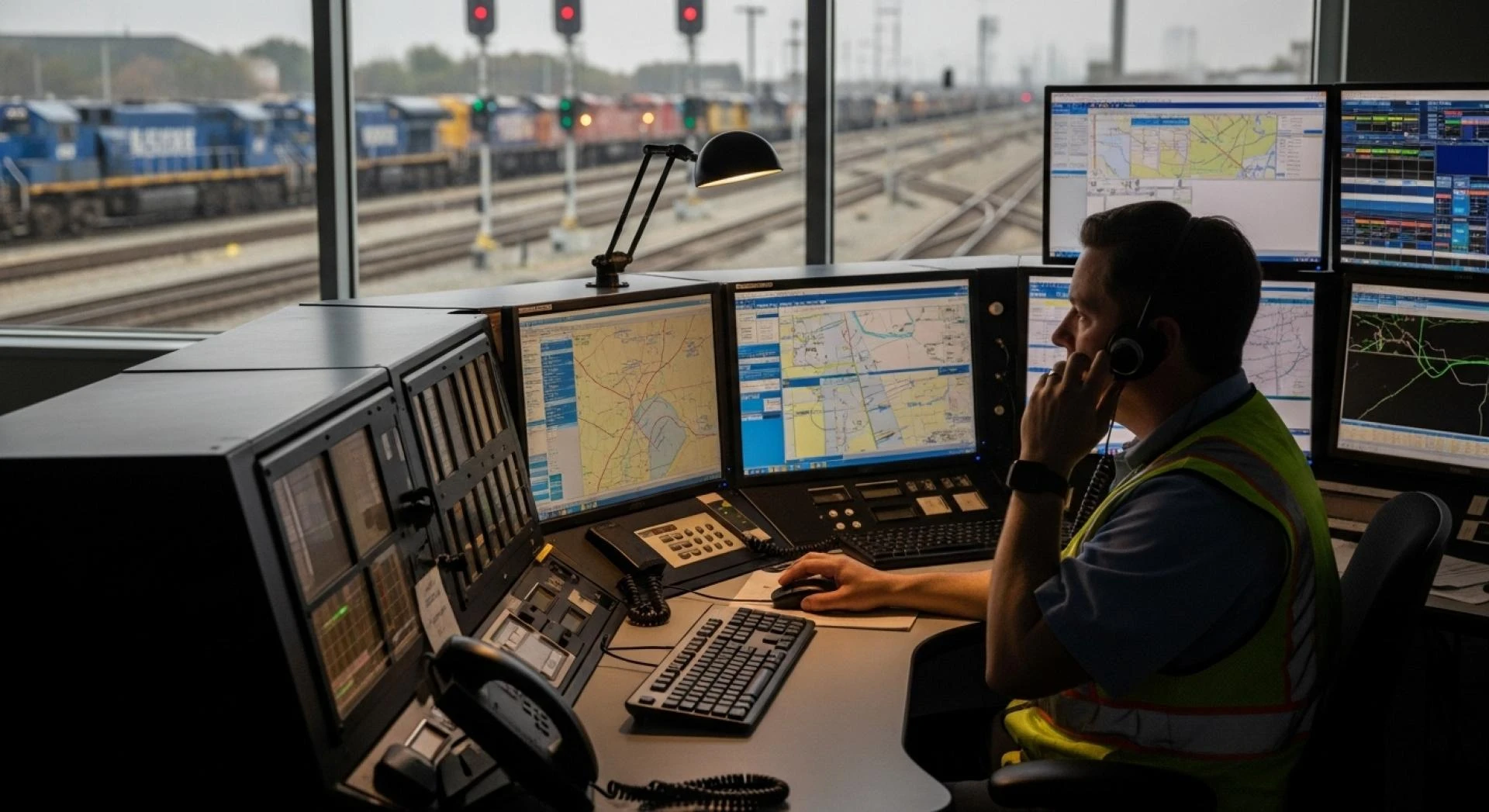
Modern railroad dispatching centers use large digital maps that show every train, every signal, and every active maintenance window across hundreds of miles of track.
- One clear link to first responders
In emergencies, confusion is dangerous. Railroad dispatching acts as the single, clear point of contact between the railroad and local emergency services.
This fast, clear communication helps emergency crews:
- Plan safer approaches.
- Avoid getting onto live tracks by mistake.
- Work more efficiently while the dispatching team manages train movements around them.
- Smart track access and control
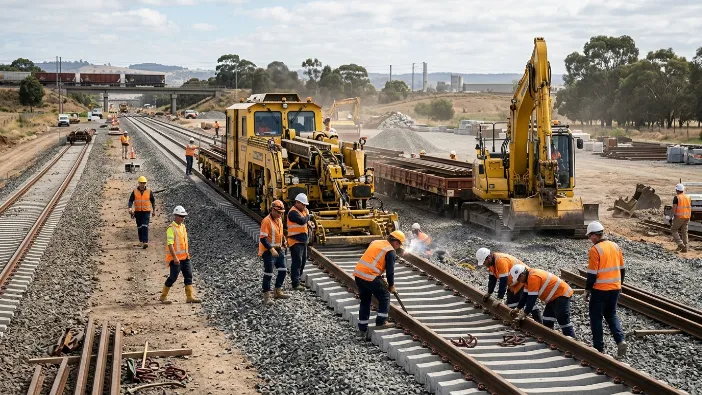
Multiple teams may need access to the same track during an emergency-firefighters, hazmat crews, maintenance workers, and rail contracting companies' crews. Without someone in charge, it can get messy.
For a contract services company crew that comes in on‑call, this means:
- They know exactly where they can work and when.
- They aren’t stuck waiting for permission that never comes.
- Safety is built into the process, not just assumed.
- Faster rerouting and traffic control
After an incident, the track may be blocked, and traffic needs to be rerouted. Railroad dispatching handles this in a way that keeps everything moving smoothly.
They:
- Decide which trains go around the problem and which must wait.
- Avoid piling up trains in one area, which would slow things down.
- Use software tools to plan the best routes in real time.
This keeps delays under control and helps get everyone-trains, crews, and emergency responders-where they need to be as quickly as possible.
This combo of human skill and smart tech makes the whole system faster and safer, especially when every second counts.
Bottom line
Railroad dispatching is the quiet hero of rail safety. It may not be on the tracks, but it’s the reason responses are faster, safer, and more organized during emergencies.
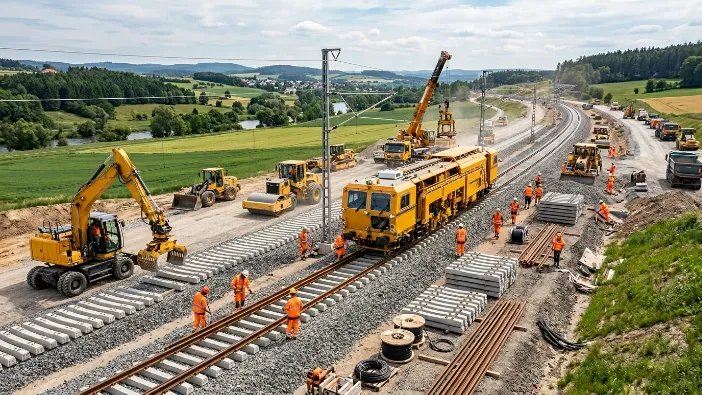
For rail contracting companies and teams, having a strong link to a professional railroad dispatching setup means better coordination, fewer delays, and safer crews. Reach out to RailRCS for the best railroad dispatching services. For more information, explore our website now.






















Sign in to leave a comment.