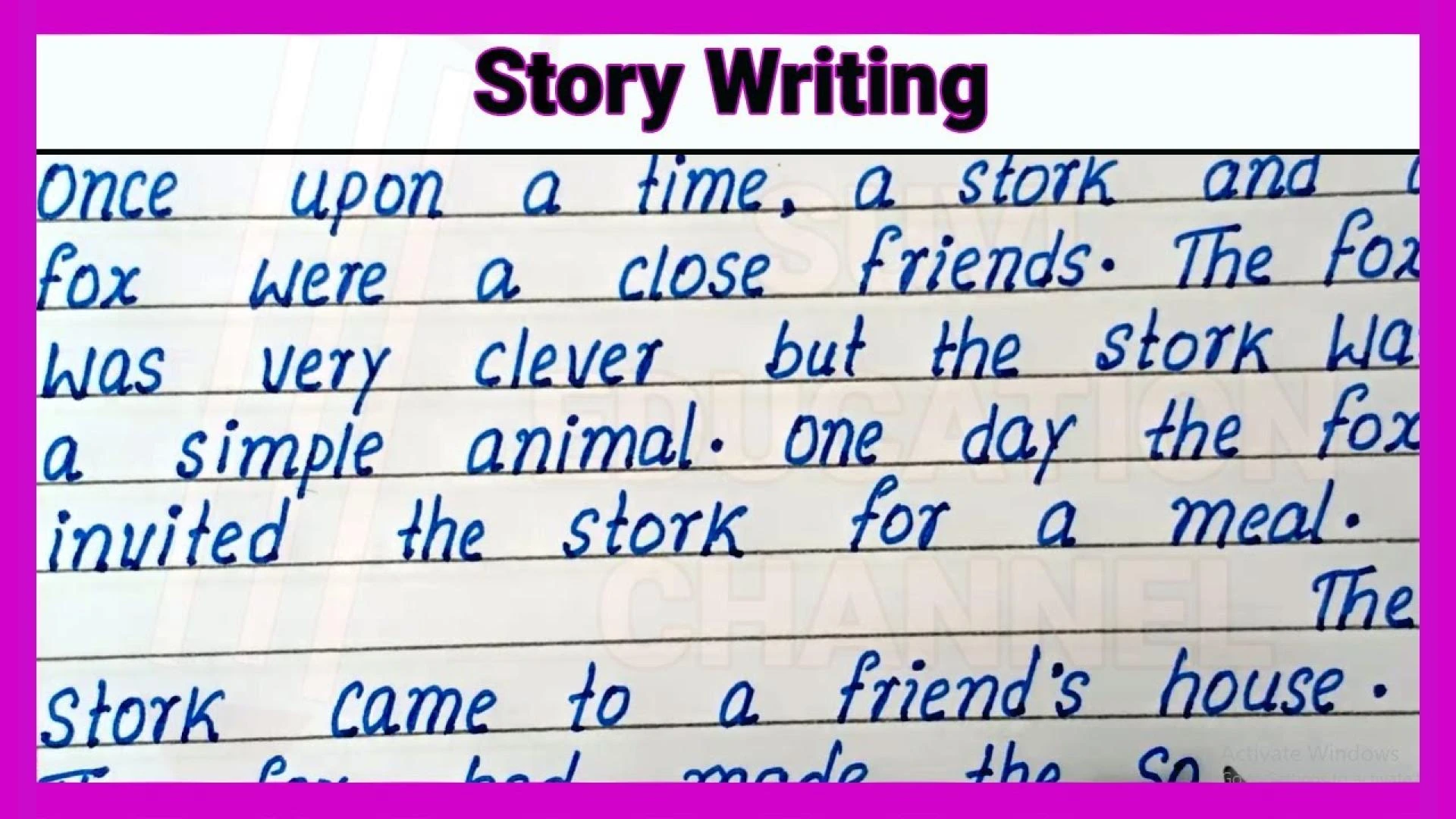

In today’s fast-moving digital world, story writing is more than just a creative hobby it’s a powerful mental exercise that shapes how we think, analyze, and understand the world. Research in cognitive psychology shows that people who engage in creative writing activities develop stronger reasoning, memory, and problem-solving abilities. A 2023 study published in Frontiers in Psychology found that expressive writing improves cognitive flexibility by over 23% compared to non-writing activities. Story writing doesn’t just improve imagination it trains the brain to process information, structure ideas, and connect meaning across situations. From students to professionals, storytelling plays a key role in building thinking skills that support decision-making, emotional understanding, and intellectual growth.
Boosts Critical Thinking
Story writing naturally strengthens critical thinking because it requires constant evaluation, logic, and reasoning.
How it helps:
- Writers analyze situations before building scenes
- Plot development demands cause-and-effect thinking
- Character choices must follow logic
- Story conflicts require reasoning-based solutions
According to a Stanford education report, narrative-based thinking improves reasoning accuracy by 31% in learning tasks. Writers learn to question actions, predict outcomes, and assess consequences—core components of analytical thinking.
Improves Problem-Solving Skills
Every story is built around problems. Characters face conflicts, obstacles, and challenges that must be resolved creatively.
Problem-solving growth through writing:
- Creating multiple solution paths
- Evaluating outcomes
- Testing different scenarios
- Managing complex challenges
Neuroscience research shows that creative writing activates the prefrontal cortex, the brain’s problem-solving center. This strengthens decision-making skills and mental adaptability.
Story writing trains the brain to think:
- “What happens if?”
- “What could go wrong?”
- “What solution fits best?”
This mental training transfers into real-life problem solving.
Strengthens Memory and Focus
Writing stories improves cognitive focus and memory retention by requiring mental organization and attention to detail.
Key benefits:
- Tracking multiple characters
- Remembering timelines
- Maintaining plot consistency
- Retaining story details
Studies show that structured creative writing improves working memory by 18–25% over time. Writers must constantly recall information and organize it meaningfully, strengthening both short-term and long-term memory systems.
Enhances Emotional Intelligence
Story writing builds emotional intelligence by helping writers understand feelings, motivations, and human behavior.
Emotional growth areas:
- Empathy development
- Emotional awareness
- Perspective-taking
- Understanding human psychology
Psychological studies reveal that people engaged in narrative writing show higher empathy scores and improved social understanding. Writers learn to see situations from different viewpoints, which strengthens emotional reasoning and interpersonal skills.
Builds Analytical Skills
Story creation requires constant analysis of structure, meaning, and logic.
Analytical thinking through writing:
- Theme interpretation
- Pattern recognition
- Narrative logic
- Story structure evaluation
This analytical process trains the brain to:
- Detect inconsistencies
- Identify deeper meaning
- Connect ideas logically
- Evaluate complexity
These are the same thinking skills used in science, research, business strategy, and education.
Encourages Strategic Thinking
Strategic thinking develops when writers plan long-term story outcomes.
Strategic elements in writing:
- Story arcs
- Character development paths
- Narrative progression
- Outcome forecasting
Writers must think ahead, plan structure, and predict future story events. Cognitive research shows that future-planning activities improve strategic reasoning ability by 28% in adults.
This improves real-life skills such as:
- Planning
- Goal setting
- Risk assessment
- Long-term thinking
Improves Communication Skills
Strong thinking depends on clear expression, and story writing directly improves communication ability.
Communication growth:
- Idea clarity
- Structured thinking
- Vocabulary development
- Thought organization
Writers learn to convert complex thoughts into understandable language. This improves both verbal and written communication, which strengthens reasoning clarity and logical thinking patterns.
Develops Creativity and Innovation
Creativity fuels mental flexibility. Story writing strengthens the brain’s ability to think beyond patterns.
Creative thinking benefits:
- Original idea generation
- Flexible thinking
- Mental adaptability
- Innovation development
Research shows that creative activities improve cognitive adaptability by 24%, making the brain more capable of handling change and uncertainty.
This type of thinking supports innovation in:
- Business
- Education
- Technology
- Leadership
- Research
Learning From Literary Thinkers
Many intellectual writers use narrative thinking to shape complex ideas. Observing the techniques of the best creative nonfiction writers shows how storytelling enhances reasoning, structure, and intellectual clarity. Their work blends facts with narrative logic, helping readers understand complex topics through structured storytelling. This proves that story-based thinking isn’t limited to fiction it strengthens learning, comprehension, and reasoning across disciplines.
Supports Learning and Education
Story writing directly improves academic and learning performance.
Educational benefits:
- Better comprehension
- Stronger memory retention
- Improved focus
- Higher engagement
Studies in educational psychology show that students using narrative learning methods perform 27% better in comprehension tasks than those using memorization-based methods alone.
Story writing helps learners:
- Process information deeply
- Connect concepts meaningfully
- Retain knowledge longer
- Understand complexity
Conclusion
Story writing is not just an artistic activity it’s a powerful tool for mental development. It improves critical thinking, strengthens memory, builds emotional intelligence, enhances problem-solving, and sharpens analytical and strategic thinking. Backed by research, storytelling trains the brain to process information logically, creatively, and emotionally. It helps people think more clearly, reason more deeply, and understand the world more effectively. Whether used for learning, creativity, or personal growth, story writing plays a vital role in developing strong thinking skills that benefit every area of life.
























Sign in to leave a comment.