How Does Weather Affect Wasp Nesting Behaviour?

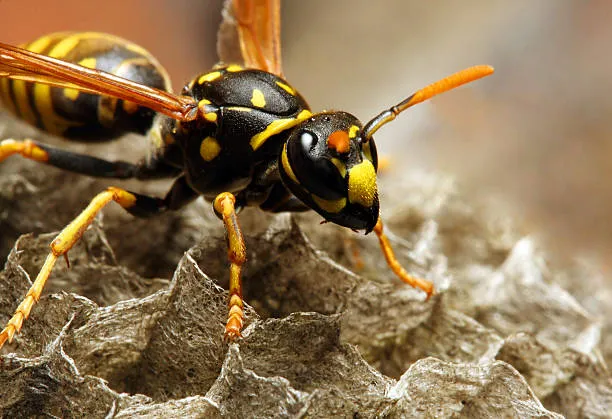
Weather plays an important role in how wasps behave, where they build their nests and how quickly their colonies develop. Temperature, rainfall, humidity and seasonal changes can all influence wasp activity. In Melbourne, changing weather conditions throughout the year can affect when wasps begin nesting, how frequently they search for food and where they establish colonies around residential and commercial properties.
Understanding the relationship between weather and wasp nesting behaviour can help property owners recognise seasonal changes and identify potential nesting problems early. Although wasps can adapt to different environmental conditions, certain weather patterns create more favourable opportunities for colony development.
1. Warm Weather Encourages Nesting Activity
Warmer temperatures generally encourage increased wasp activity. During spring, queen wasps of social species begin searching for suitable locations to establish new colonies.
Sheltered areas such as roof cavities, garden sheds, wall openings and spaces beneath eaves can provide protection while a nest develops. As temperatures become warmer, queens and worker wasps become more active, increasing the chances of noticing them around properties.
During summer, established colonies may contain considerably more wasps than they did during spring. Workers regularly leave the nest to collect food and materials, resulting in more frequent sightings around gardens, outdoor dining areas and rubbish bins.
For property owners, repeated wasp activity around the same sheltered location may indicate that a colony is developing nearby.
2. Cold Weather Can Reduce Wasp Activity
Cold weather generally slows down wasp movement and reduces their visible activity. Many social wasp colonies have seasonal life cycles, with established colonies declining towards the end of the warmer months.
In several social species, newly produced queens leave the original colony and seek sheltered places to overwinter. Depending on the species, these locations may include protected spaces beneath bark, within building gaps or other sheltered environments.
As temperatures fall, fewer worker wasps may be seen around gardens and outdoor areas. However, reduced activity does not necessarily mean that every nesting or overwintering site is empty.
Property owners should avoid disturbing suspected nesting areas simply because fewer insects are visible. If there are signs of an established nest, professional assessment is the safer option.
3. Rainfall Can Influence Where Wasps Build Nests
Rainfall can affect the availability of suitable nesting locations. Heavy or prolonged rain may expose nests to moisture, damage certain nest structures and make exposed locations less favourable.
As a result, some wasps prefer sheltered areas that offer protection from direct rainfall. Roof overhangs, enclosed sheds, wall cavities and protected outdoor structures can provide suitable conditions.
Paper wasps, for example, commonly construct nests beneath sheltered surfaces. Other species may establish nests in enclosed spaces or underground locations.
After periods of heavy rainfall, you may notice wasps gathering around protected sections of your property. This does not automatically indicate an infestation, but repeated activity around a particular opening is worth observing.
4. Hot Weather Increases the Need for Food and Water
During warmer conditions, wasps become more active and frequently search for resources to support their colonies.
Food sources can include sugary substances, fallen fruit, insects and exposed food scraps. Water is also important for wasps, particularly when temperatures are high.
This explains why wasps may become more noticeable around:
- Outdoor dining tables and barbecue areas.
- Swimming pools and garden water features.
- Open rubbish bins.
- Fruit trees and vegetable gardens.
- Pet food bowls.
- Composting areas.
Although these locations may attract individual foraging wasps, repeated activity combined with other warning signs could indicate a nearby nest.
Keeping food covered, securing rubbish bins and cleaning outdoor areas regularly can help reduce the attraction of your property.
5. Windy Conditions Can Affect Nesting Locations
Wind can influence where wasps establish their nests. Exposed branches, open garden structures and other locations affected by strong winds may provide less protection than sheltered areas.
Some species prefer locations that offer stability and protection from environmental disturbance. This is one reason nests may be found beneath roof edges, inside sheds, within wall cavities or under protected outdoor structures.
Strong winds can also damage exposed nests, depending on their construction and location. When this happens, wasps may seek more protected nesting sites.
If you notice increased wasp activity around roof edges or sheltered sections of your property following windy weather, observe the area from a safe distance rather than attempting to investigate the nest yourself.
6. Humidity and Moisture Can Influence Nest Development
Humidity and moisture are additional environmental factors that can influence nesting conditions. Different wasp species have different nesting preferences, but sheltered locations that protect nests from excessive moisture can be particularly suitable.
Some wasps use plant fibres and weathered wood to construct paper-like nests. Consistently wet conditions may affect the materials and structural condition of exposed nests.
Roof spaces, dry wall cavities and covered garden structures can provide more stable environments than locations exposed directly to changing weather.
Property owners should periodically check accessible exterior areas for signs of insect activity, particularly around damaged timber, roofing gaps and sheltered building sections.
7. Seasonal Changes Influence Wasp Colony Growth
Wasp nesting behaviour changes throughout the year. Understanding these seasonal patterns can help explain why wasp activity increases at certain times.
Spring: Queen wasps of social species may emerge from sheltered overwintering locations and begin establishing new colonies. Small nests may appear beneath eaves, in sheds and around roof structures.
Summer: Colonies continue developing, and worker activity generally becomes more noticeable. Wasps may frequently visit gardens, outdoor dining areas and food sources.
Autumn: Some species become more noticeable around sweet foods and fallen fruit. Social colonies eventually begin declining as their seasonal cycle progresses.
Winter: Visible activity generally decreases. In many social species, established colonies die off, while newly produced queens survive in sheltered locations until conditions become favourable again.
These patterns can vary depending on the wasp species and local environmental conditions.
8. How Can Property Owners Reduce Weather-Related Nesting Risks?
Although weather cannot be controlled, maintaining your property can help reduce suitable nesting opportunities.
Consider the following preventive measures:
- Inspect roof edges, eaves and sheltered structures regularly.
- Repair damaged roofing materials and exterior gaps.
- Keep sheds and garages maintained.
- Remove fallen fruit and exposed food scraps.
- Keep outdoor rubbish containers securely closed.
- Avoid leaving pet food outside for extended periods.
- Maintain garden areas and remove unnecessary debris.
- Monitor repeated wasp activity around building openings.
If you discover an active nest, do not attempt to remove it or block its entrance. Disturbing a colony can cause defensive behaviour and increase the risk of stings.
9. When Should You Arrange Professional Wasp Control?
Seasonal changes can make wasps more active around homes and businesses, but an established nest requires appropriate attention regardless of the weather.
If wasps repeatedly enter roof cavities, gather around wall openings or build nests near frequently used outdoor areas, arranging a professional inspection is advisable.
Professional technicians can assess the nesting location, identify the likely species and determine a suitable treatment approach.
For property owners seeking reliable wasp pest control Melbourne, professional assistance can help address wasp activity in residential and commercial environments.
Local property owners can also explore wasp removal Greenvale for service information in the northern suburbs.
Those experiencing wasp activity around homes and outdoor structures can find relevant assistance through wasp removal Pascoe Vale.
For properties in Melbourne's south-east, Wasp Removal Frankston provides another local service option.
The appropriate treatment depends on the species, nest location and surrounding conditions. Professional assessment can help manage the infestation while reducing the risks associated with disturbing an active colony.
Conclusion
Weather has a significant influence on wasp nesting behaviour, affecting colony development, food-seeking activity and the locations where nests are established. Warmer temperatures generally encourage increased activity, while cold weather slows many species down. Rainfall, wind and humidity can also influence the suitability of different nesting locations.
By understanding these seasonal patterns and maintaining your property, you can recognise potential nesting problems earlier. If you notice repeated wasp activity or discover a nest, avoid disturbing it and arrange professional assistance where necessary.
Regular inspections and appropriate wasp control can help keep residential and commercial properties safer throughout Melbourne's changing seasons.






Sign in to leave a comment.