

Your steering wheel pulls slightly right on empty roads. Tires wear unevenly, despite regular rotations. Fuel economy seems worse than it used to be. These small annoyances often share one root cause. Wheel alignment quietly affects nearly everything about how your car drives. Yet most drivers ignore it until problems become obvious. Understanding alignment helps you catch issues early, before costly damage develops. It also helps you maintain safer, more predictable handling every day. This guide explains what wheel alignment actually means. You will learn how misalignment happens and what symptoms to watch for. You will also discover practical maintenance tips that protect your investment. Let's start with the basics of what alignment actually involves.
Wheel alignment refers to adjusting your suspension angles, not the tires themselves. Three main angles matter most: camber, toe, and caster. Camber describes how much your tires tilt inward or outward when viewed from the front. Toe describes whether tires point slightly inward or outward when viewed from above. Caster affects steering stability and how the wheel returns to center after turning. Manufacturers set specific angle ranges for every vehicle model. These angles keep tires contacting the road evenly and predictably. Hitting a pothole, curb, or speed bump can knock these angles out of specification. Regular driving wear also gradually shifts alignment over time. Understanding these three angles helps explain why alignment affects handling, tire wear, and fuel efficiency simultaneously.
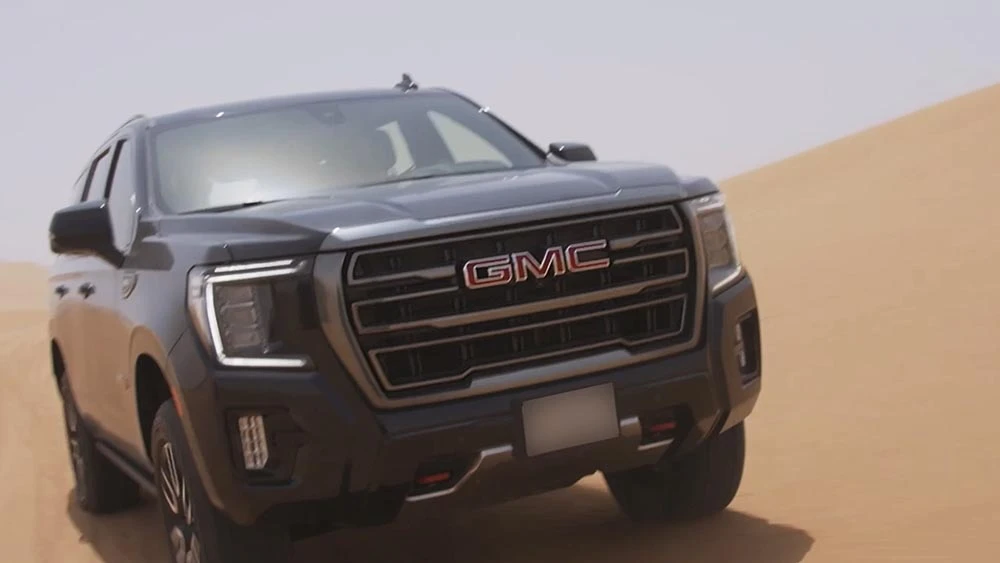
Alignment problems become especially noticeable in larger, heavier vehicles. Owners of the best SUV family car models often notice alignment issues through uneven tire wear patterns first. Heavier vehicles place additional stress on suspension components over time. Frequent cargo loading and unloading can also affect alignment gradually. Family SUVs carrying children, groceries, and sports equipment experience constant weight shifts. This makes regular alignment checks especially important for these vehicles. Schedule alignment inspections during routine maintenance visits proactively. Catching minor misalignment early prevents expensive tire replacement costs later. This attention to detail keeps family vehicles handling safely and predictably across years of demanding daily use.
Common Signs Your Alignment Needs Attention
Several warning signs indicate your vehicle needs an alignment check. Your car pulling noticeably to one side represents the most common symptom. This happens even on flat, straight roads without steering input. An off-center steering wheel while driving straight also signals misalignment clearly. Uneven tire wear patterns provide another reliable indicator worth checking regularly. Look for excessive wear on one edge of your tires specifically. Vibration through the steering wheel sometimes indicates alignment or balance problems together. Squealing tires during normal turns can also suggest alignment issues developing. Don't ignore these symptoms, hoping they'll resolve themselves naturally. Address alignment problems promptly before they cause expensive tire damage or handling deterioration.
How to Check Tire Wear Patterns
Tire wear patterns reveal specific alignment problems when examined carefully. Even wear across the entire tire surface indicates proper alignment generally. Wear concentrated on the inner edge suggests excessive negative camber typically. Wear concentrated on the outer edge suggests excessive positive camber instead. Feathering, where tread edges feel sharp on one side and smooth on the other, indicates toe misalignment specifically. Run your hand across the tire tread regularly, checking for these patterns. Compare wear between your front tires, since they typically show alignment issues first. Rotate your tires regularly to help distribute wear evenly. However, rotation alone cannot fix underlying alignment problems. If uneven wear continues after rotation, schedule a professional alignment inspection soon.
What Causes Misalignment Over Time
Several common events cause wheel alignment to shift gradually or suddenly. Hitting potholes represents one of the most frequent causes overall. Even seemingly minor impacts can knock suspension components out of specification. Curb strikes while parking also frequently cause alignment problems. Minor fender benders, even low-speed ones, can affect alignment significantly. Normal wear on suspension components gradually affects alignment over many years too. Worn ball joints, tie rods, or bushings all contribute to alignment drift. Uneven tire pressure maintained over time can also affect handling similarly. Consider scheduling alignment checks after any significant impact event. Also schedule regular checks every two to three years as preventive maintenance, regardless of noticeable symptoms.
Impact of Potholes and Road Conditions
Poor road conditions significantly accelerate alignment problems across most vehicles. Potholes deliver sudden, forceful impacts that can bend or shift suspension components. Areas with harsh winters often see increased pothole damage during spring months specifically. Speed bumps taken too quickly also stress alignment components repeatedly. Gravel roads and uneven surfaces contribute to gradual alignment drift over time. If you regularly drive rough roads, consider more frequent alignment checks. Slow down when navigating potholes or speed bumps when possible. This simple habit reduces impact force significantly, protecting your suspension components. Document any significant pothole impacts, noting the date and severity. This record helps your mechanic identify potential alignment issues during subsequent maintenance visits.
The Connection Between Alignment and Fuel Economy
Misaligned wheels create additional rolling resistance, directly affecting fuel efficiency. When tires don't point perfectly straight, your engine works harder to maintain speed. This extra effort translates directly into increased fuel consumption over time. Studies suggest misalignment can reduce fuel economy by several percentage points. This seems small initially but accumulates significantly over months of driving. Family SUVs, already less fuel-efficient than smaller vehicles, feel this impact more noticeably. Regular alignment maintenance helps preserve your vehicle's designed fuel efficiency ratings. Combine proper alignment with correct tire pressure for maximum fuel economy benefits. These combined maintenance habits create meaningful savings at the pump over your vehicle's lifetime. Understanding this connection motivates proactive alignment maintenance beyond simply addressing handling complaints.
Maintaining Proper Alignment Long-Term
Protecting your alignment requires consistent, proactive maintenance habits. Schedule professional alignment checks every two to three years as routine preventive care. Request immediate checks after hitting significant potholes or curbs. Maintain proper tire pressure consistently, since incorrect pressure affects handling and wear patterns. Rotate tires according to your manufacturer's recommended schedule regularly. Address suspension component wear promptly when identified during routine service visits. Drive cautiously over rough roads, potholes, and speed bumps whenever possible. Keep records of alignment services and any significant impact events experienced. This documentation helps mechanics identify patterns and potential underlying issues. These consistent habits protect your investment while maintaining safe, predictable handling throughout your vehicle's lifetime.
Final Thoughts
Wheel alignment significantly affects tire wear, fuel economy, and overall driving safety. Watch for pulling, uneven wear, and steering wheel symptoms regularly. Schedule proactive alignment checks, especially after hitting potholes or curbs. Family SUVs benefit particularly from consistent attention due to heavier loads. With this understanding, proper alignment maintenance becomes a simple habit protecting both safety and your vehicle's long-term value.























Sign in to leave a comment.