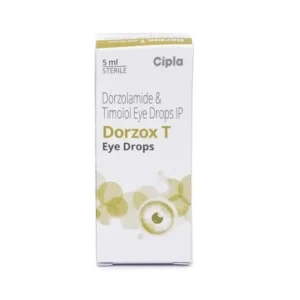

Glaucoma is a common eye condition. It slowly damages the optic nerve. High pressure inside the eye is often the main cause. Left untreated, glaucoma can lead to permanent vision loss. Eye drops are the first-line treatment to lower eye pressure and protect sight. One effective option is dorzox t eye drops is a fixed-dose mix of dorzolamide and timolol that works to lower intraocular pressure.
What is Dorzox-T?
dorzox t eye drops combine two proven medicines in one bottle:
- Dorzolamide is a topical carbonic anhydrase inhibitor. It reduces the fluid your eye produces.
- Timolol is a topical beta-blocker. It also reduces fluid production and helps lower pressure.
Together they lower eye pressure more than either drug alone for many people with open-angle glaucoma or ocular hypertension. Brand and generic versions of this fixed combination are widely used by eye specialists.
How Dorzox-T lowers eye pressure simple steps
- You put a drop in the eye.
- Dorzolamide slows the enzyme that helps make eye fluid.
- Timolol reduces fluid production via beta blockade.
- Less fluid means lower pressure inside the eye.
- Lower pressure reduces stress on the optic nerve and lowers the chance of vision damage.
That mix of actions is why dorzox t eye drops are popular. The two drugs act together so you may need fewer separate bottles and fewer separate doses.
Benefits people can expect
- Lower intraocular pressure (IOP). That’s the main goal. Studies and labels show the dorzolamide + timolol combo reduces IOP effectively.
- Convenience. One bottle, one routine. Many patients prefer a fixed combination to two separate drops.
- Well-studied safety profile. Both medicines have been used for decades. Side effects are known and manageable when used under medical supervision.
Because it pairs two different actions, dorzox t eye drops can be a good next step when a single medicine doesn’t quite control pressure.
Typical use and dosing (what doctors do)
Most fixed-combination dorzolamide/timolol products are given as one drop in the affected eye(s) two times a day. Your eye doctor will tell you the exact routine and check your pressure during follow-up visits. If you are using other eye medicines, wait at least ten minutes between different drops so each can work properly.
Safety notes — what to watch for
Dorzox t eye drops are prescription medicine. They are safe when used as directed, but there are important precautions:
- Eye effects: Some people get a burning or stinging feeling when they put the drops in. Dry eyes, blurred vision, or a bitter taste can happen.
- Systemic beta-blocker effects: Because timolol is a beta-blocker, it can affect breathing and heart rate in sensitive people. If you have asthma, severe COPD, slow heart rate, or certain heart conditions, discuss alternatives with your doctor.
- Allergies and contact lenses: If you wear soft contact lenses, talk to your doctor. Some drops contain preservatives that can affect lenses. Wait the recommended time before reinserting lenses.
- Pregnancy and breastfeeding: Tell your doctor if you are pregnant or nursing. Your doctor will weigh risks and benefits.
Always tell your eye doctor about other medicines you take. Eye drops can interact with some oral drugs and health conditions.
Why doctors sometimes use a fixed combination like Dorzox-T
Eye care teams prefer fixed combos for these practical reasons:
- Better adherence. Fewer bottles and fewer steps help patients stick to treatment. Non-adherence is a big reason glaucoma gets worse.
- Lower exposure to preservatives. Using one combined product may reduce exposure to preservatives when compared with two separate drops (depending on formulation).
- Proven efficacy. Clinical labels and trials back the dorzolamide/timolol combination as an effective option for many patients who need more pressure lowering than a single drug provides.
-
Common side effects
- Mild eye burning or stinging right after application.
- Bitter or metallic taste.
- Blurred vision for a short time.
- Rarely, systemic effects from timolol: slow pulse, fatigue, breathing trouble.
If you notice breathing trouble, fainting, very slow heartbeat, or severe eye reactions, seek medical care at once.
Practical tips for using dorzox t eye drops
- Wash hands first. Tilt your head back. Gently pull down the lower lid and drop one drop into the pocket. Close your eyes softly for 1–2 minutes to help the medicine stay in the eye.
- If you use more than one type of eye drop, wait 10 minutes between different drops. This helps each drop work properly.
- Store the bottle as directed. Don’t use it after the expiry date.
- Keep follow-up appointments so your doctor can check pressure and side effects. Regular checks are essential.
Who should be cautious or avoid timolol combination drops?
People with the following should be cautious and consult their doctor before using dorzox t eye drops:
- Asthma or severe chronic lung disease.
- Certain heart conditions like very slow heart rate or heart block.
- Severe allergy to any component of the drops.
- Those on medications that interact with beta-blockers.
Your doctor will recommend the best option if you are in any of these groups.
How Dorzox-T fits into an overall glaucoma plan
Eye drops are often the first step. Other options include laser treatment or surgery if drops do not control pressure. Your eye doctor will build a plan that suits your eye and your life. Many people do very well with drops such as dorzox-t eye drops, especially when they use them consistently and attend regular checkups.
Conclusion
Dorzox t eye drops bring two proven drugs together. They lower eye pressure effectively. They are convenient and well-studied. For many people with open-angle glaucoma or ocular hypertension, they provide a reliable way to protect vision when prescribed and monitored by an eye doctor. If your clinician suggests a dorzolamide + timolol fixed combination, it’s because the combination often gives extra pressure control with a single, easy routine.













Sign in to leave a comment.