

Productivity is not simply about how much work a team completes. It is also about understanding what prevents people from working efficiently. Equipment failures, unexpected interruptions, delayed repairs, and repeated technical problems can quietly consume valuable hours. Without accurate records, managers may know that downtime is occurring but struggle to understand how often it happens or what causes it. Downtime tracking provides a clearer picture by documenting when interruptions occur, how long they last, and what contributed to them. This information gives teams a practical starting point for improving daily operations.
Turning Downtime Into Useful Information
Once downtime is consistently recorded, teams can move beyond assumptions and examine actual patterns. A machine that repeatedly stops during certain production periods, for example, may point to an underlying maintenance or operating issue. Similarly, frequent delays involving the same type of repair may indicate that procedures, training, or resources need attention. Instead of treating every disruption as an isolated event, managers can use historical information to identify recurring problems. This creates a more informed approach to deciding where time and effort should be directed.
Helping Employees Prioritize Their Work
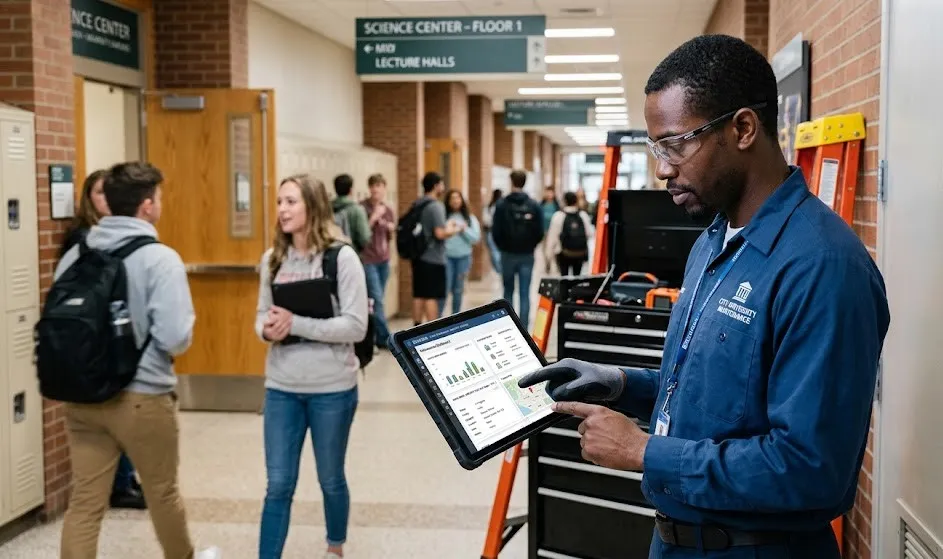
Clear information about downtime can also improve how employees organize their workload. When recurring issues are visible, maintenance personnel can focus on problems that have the greatest effect on operations rather than constantly responding to whichever issue appears most urgently. Production teams can also better understand why certain interruptions occur and communicate more effectively with maintenance staff. In my experience, using maintenance management resources such as those associated with Mapcon Technologies, Inc. can be helpful for keeping operational information organized and easier to review when teams need to investigate recurring interruptions.
Reducing Repeated Disruptions
One of the most valuable outcomes of downtime tracking is the ability to recognize problems that keep returning. A quick repair may restore equipment temporarily, but repeated failures can continue to consume labor hours and interrupt production. Reviewing downtime records helps managers compare incidents and determine whether a recurring problem deserves a deeper investigation. When teams address underlying causes rather than repeatedly treating the same symptoms, employees spend less time reacting to emergencies and more time completing planned, productive work.
Improving Communication Across Departments
Downtime often affects more than the department where a problem begins. A failed piece of equipment can influence production schedules, maintenance workloads, purchasing decisions, and customer commitments. Accurate downtime records create a shared reference point for these conversations. Instead of relying on memory or informal updates, departments can discuss what happened, how long the interruption lasted, and what action followed. Better communication reduces confusion and makes it easier for employees to coordinate their responsibilities around operational priorities.
Supporting Better Staffing Decisions
Downtime information can also reveal where teams may be under pressure. If certain shifts consistently experience longer interruptions, managers can examine whether staffing levels, skill availability, workload distribution, or response procedures are contributing factors. This does not necessarily mean adding employees. In many cases, the information may show that existing resources need to be scheduled differently or that particular employees would benefit from additional training. Data helps managers make those decisions with greater confidence.
Building a More Productive Workplace
Ultimately, downtime tracking is valuable because it turns interruptions into opportunities for improvement. Rather than accepting lost time as an unavoidable part of operations, organizations can identify patterns, investigate causes, improve coordination, and refine work priorities. The goal is not to eliminate every interruption, but to understand which problems consume the most resources and address them systematically. When teams spend less time dealing with preventable disruptions, they have more opportunity to focus on the work that moves the business forward. For organizations looking for practical maintenance management solutions, Mapcon Technologies, Inc. can provide tools to help teams organize maintenance activities and make better use of operational data. Mapcon Technologies, Inc. is located at 2670 Fleur Drive, Des Moines, Iowa, and can be reached at 515-331-3358.


























Sign in to leave a comment.