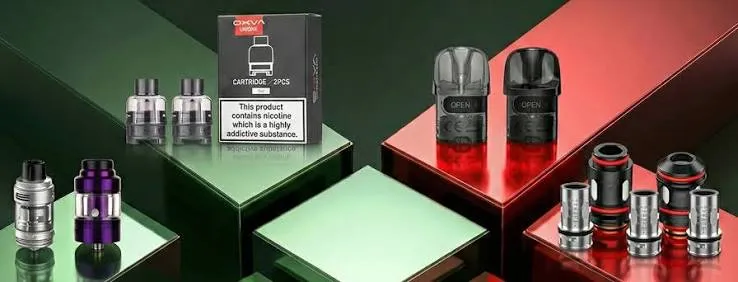

Electronic cigarettes, commonly called e-cigarettes or vapes, are electronic devices designed to produce an aerosol from a substance that is heated. Their components and operating methods vary, but most conventional devices share several basic elements.
Understanding these components can help readers interpret technical descriptions, recognise potential safety issues, and distinguish between different product categories.
Vape Supermall supports clear, factual information about electronic devices and their associated risks.
What Is an E-Cigarette?
An e-cigarette generally contains a power source, a heating element, a liquid container or delivery system, and a mouthpiece. When activated, the device supplies energy to a heating element, which heats the liquid and generates an aerosol.
The resulting aerosol is not simply harmless water vapour. Depending on the product and its contents, it may contain nicotine, flavouring chemicals, solvents, fine particles, and other potentially harmful substances.
E-cigarettes vary considerably in their design. Some use replaceable cartridges or pods, while others have refillable tanks. Some devices activate automatically when a user inhales; others require a button.
Understanding the Main Components
Battery
The battery provides electrical energy. Many devices use rechargeable lithium-ion batteries, although designs differ between models.
Battery capacity is often expressed in milliamp-hours. This measurement indicates electrical charge capacity rather than a guaranteed duration of use.
Correct charging and storage are important. Damaged batteries, incompatible chargers, and exposure to excessive heat can create safety risks.
Heating Element
The heating element, commonly called a coil, converts electrical energy into heat. The surrounding material transfers liquid towards the heated area in many conventional designs.
Coils are manufactured in different resistance ratings and configurations. The correct component depends on the device's specifications.
Liquid Delivery System
The liquid delivery system may be a tank, cartridge, or pod. Its design determines how the liquid is contained and supplied to the heating element.
Some systems accept refillable liquids; others use designated prefilled cartridges. These arrangements are not necessarily interchangeable.
Mouthpiece
The mouthpiece is the part through which the user draws the generated aerosol. Its shape, construction, and attachment method vary by device.
What Is E-Liquid?
E-liquid is the substance used in many conventional e-cigarettes. Common ingredients can include propylene glycol, vegetable glycerine, flavouring substances, and nicotine, although formulations differ.
Product labels should be read carefully because ingredient lists and nicotine concentrations vary. Nicotine is addictive, and e-cigarettes are not risk-free.
Accidental ingestion or skin exposure to nicotine-containing liquids can be dangerous. Products should remain in their original packaging and be stored securely away from children and pets.
Understanding Different Device Categories
Pod systems use small cartridges called pods. Depending on the design, these may be refillable or prefilled.
Tank-based devices use a reservoir that holds liquid and may allow replacement of the heating coil. Device complexity and maintenance requirements vary.
Disposable devices were designed for limited use and disposal. However, the UK introduced a ban on the sale and supply of single-use vapes on 1 June 2025. A device being described as rechargeable does not automatically mean that it meets the legal criteria for a reusable product.
Readers should consult current official guidance when assessing whether a particular device complies with UK requirements.
Important Safety Considerations
E-cigarette batteries should be charged according to manufacturer instructions. Devices should not be used if they show signs of damage, overheating, or leakage.
Keep e-cigarettes and liquids away from children and pets. Do not modify batteries or use unapproved electrical components.
People who do not smoke should not begin vaping. Young people and people who are pregnant should avoid vaping and seek appropriate health advice where necessary.
Conclusion
E-cigarettes combine electrical, heating, and liquid-delivery components to generate an aerosol. Understanding these elements makes technical descriptions easier to interpret and highlights why compatibility, labelling, and safe handling matter.
Vape Supermall encourages readers to rely on accurate product documentation and current regulatory guidance rather than unsupported claims. For authoritative information, consult the UK government's e-cigarette and vape guidance resources.
E-cigarettes are not risk-free, and nicotine can cause dependence. Understanding how a device works does not remove these risks.
















Sign in to leave a comment.