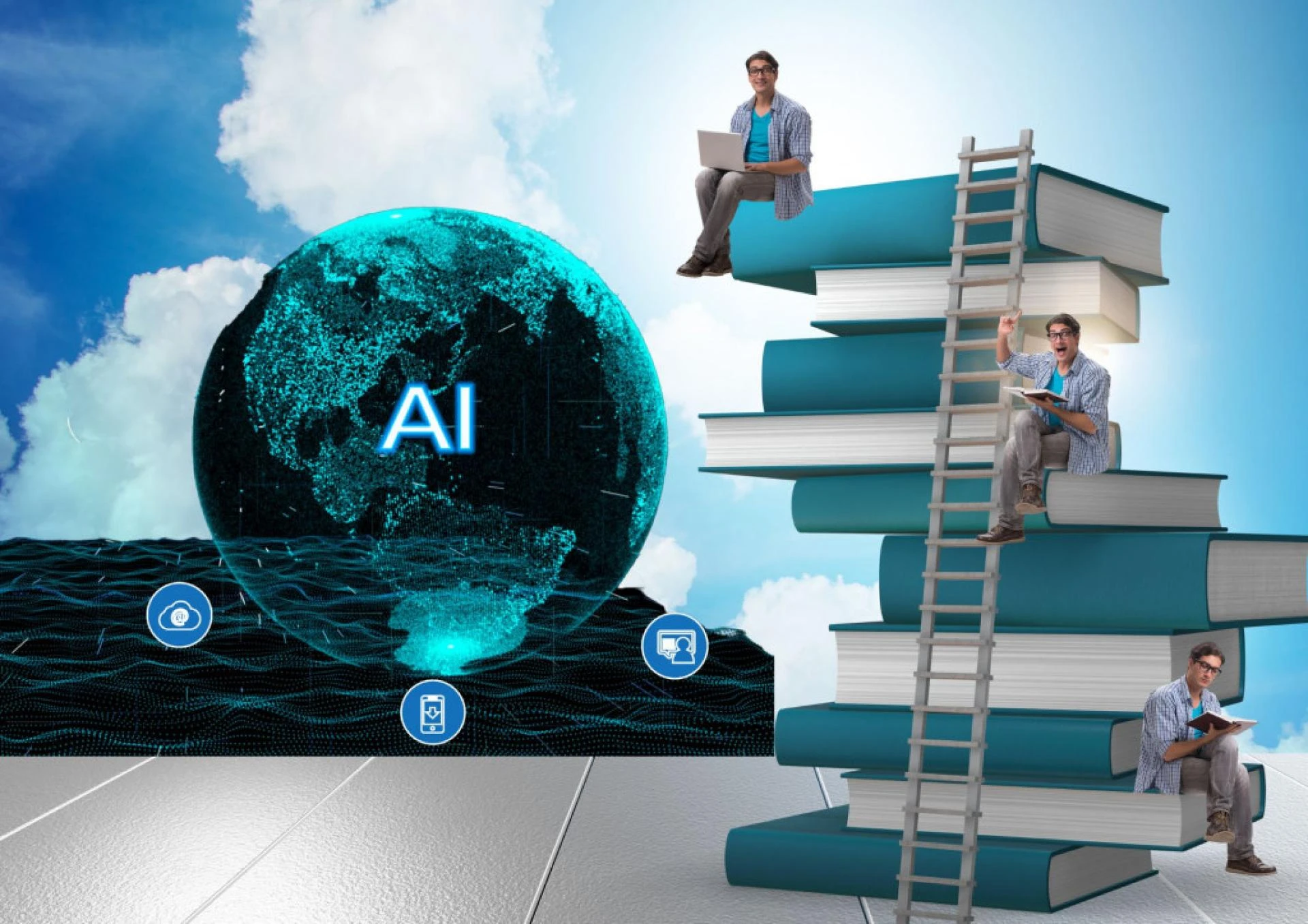

Education is undergoing a massive digital revolution, and at the heart of this transformation lies Educational Software Development. Schools, universities, coaching institutes, and even global corporations are adopting smart educational technologies to make learning more accessible, engaging, and outcome-driven. As digital tools evolve, educational software is no longer just an add-on it has become a core pillar of modern learning systems.
This article explores how educational software development is reshaping the learning experience, the key benefits it offers, and why institutions today must embrace this digital shift.
1. What Is Educational Software Development?
Educational software development refers to the design and creation of digital tools that support learning, training, assessment, and academic administration. These solutions help students learn more effectively and assist teachers in delivering better educational outcomes.
Common examples include:
- Learning Management Systems (LMS)
- eLearning mobile applications
- Virtual classroom platforms
- Online assessment and exam systems
- AI-powered tutoring and teaching assistants
- Student Information Systems (SIS)
- Gamified learning platforms
- Course-authoring tools and digital content systems
These digital solutions make learning available anytime, anywhere—whether inside classrooms or in remote environments.
2. Why Educational Software Has Become Essential
The traditional classroom model is shifting towards blended, remote, and personalized learning experiences. This transformation has made educational software essential for every modern institution.
Personalized Learning for Every Student
Each student learns at a different pace. With AI-driven educational software, institutions can provide customized learning paths based on performance, behavior, and learning style. This increases understanding, retention, and confidence.
Flexible & Remote Learning
Students can now access classes, assignments, tests, and study materials from any device. This flexibility ensures learning continues smoothly in all situations — whether at home, on the move, or during emergencies.
Interactive & Engaging Content
Gamified quizzes, AR/VR simulations, live tests, animations, and multimedia lessons enhance student engagement. Interactive learning helps students grasp complex subjects more easily.
Automation for Teachers
Teachers save hours every week with automated grading, attendance, scheduling, and reporting. This allows them to focus more on teaching and mentoring rather than manual tasks.
Smart Insights & Analytics
Educational software provides real-time analytics on student progress, engagement levels, at-risk learners, and class performance. These insights help educators make better decisions and improve teaching strategies.
3. Key Features of Modern Educational Software
Today’s advanced educational platforms include:
- Simple, intuitive dashboards
- AI-based content suggestions
- Secure cloud infrastructure
- Progress tracking & performance insights
- Live classes, chats, and collaborative tools
- Gamification modules
- Offline learning availability
- Multi-language support
These features ensure smooth learning and seamless administration for institutions of all sizes.
4. Major Benefits for Institutions & Businesses
Investing in educational software development delivers long-term benefits:
Improved Learning Outcomes
Students get personalized experiences that help them understand concepts more clearly and achieve better academic performance.
High Scalability
Cloud-powered platforms allow institutions to support thousands of learners at once without compromising speed or performance.
Cost Efficiency
Digital learning eliminates costs associated with printing, manual record keeping, physical storage, and repetitive administrative tasks.
Strong Collaboration
Virtual classrooms, chat systems, and shared document tools enable continuous communication between students and educators.
Enhanced Student Satisfaction
Engaging content, fast feedback, and personalized pathways lead to better student satisfaction and long-term retention.
5. The Future of Educational Software Development
The future of EdTech is powered by breakthrough technologies that will reshape how students learn:
- AI tutors and agentic AI learning systems
- Augmented Reality (AR) and Virtual Reality (VR) classrooms
- Blockchain-secured certificates and digital identity
- Smart classrooms with IoT-enabled devices
- Predictive analytics for student performance
- Fully automated administrative processes
As these technologies evolve, learning will become more immersive, personalized, and efficient reaching students across the world regardless of location or background.
Conclusion
Educational software development is shaping a new era of learning. From personalized learning to AI-driven insights, digital solutions are empowering institutions to deliver high-quality, flexible, and engaging education. Whether you’re an educational institution, training center, or enterprise, adopting modern EdTech solutions can help you achieve better outcomes, streamline operations, and support smarter learning.
The future of education is digital, intelligent, and connected and the right educational software can help you lead that transformation.



























Sign in to leave a comment.