

Workplace downtime can significantly affect business productivity, operational efficiency, customer service, and revenue. In many commercial environments, electrical failures are one of the leading causes of unexpected disruptions, particularly when systems are not regularly inspected or maintained.
As businesses become increasingly dependent on digital infrastructure, automated systems, machinery, and connected technologies, reliable electrical performance has become essential for daily operations.
Businesses across Malaga are placing greater focus on preventative electrical maintenance and testing to improve workplace reliability and reduce the risks associated with unexpected electrical failures.
Electrical testing plays an important role in identifying faults, improving safety, and helping businesses minimize costly downtime.
What Is Electrical Testing?
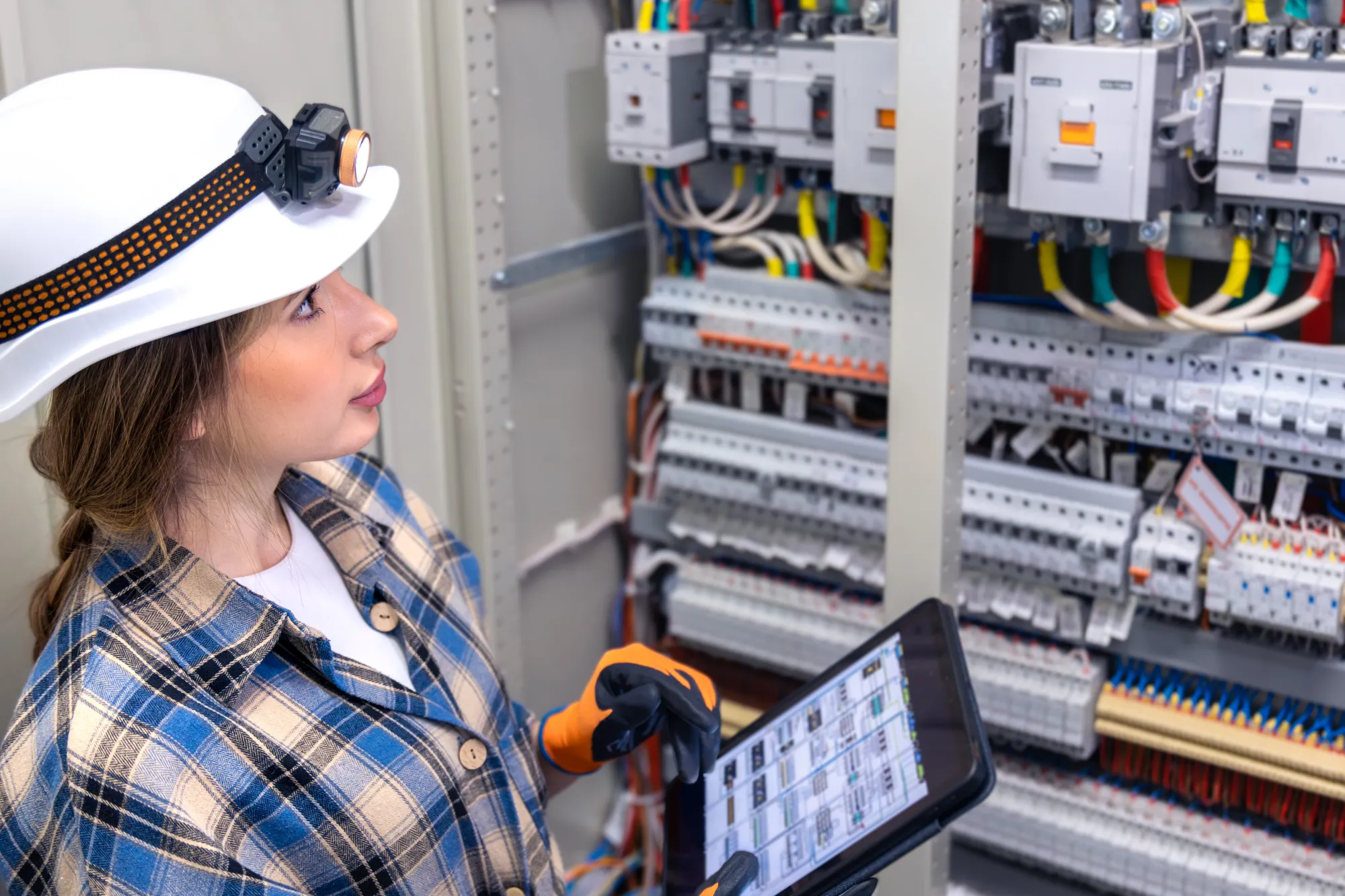
Electrical testing in malaga involves inspecting and evaluating electrical systems, components, and equipment to ensure they are operating safely and efficiently.
Commercial electrical testing may include:
- Switchboard testing
- Circuit testing
- Safety switch testing
- Thermal imaging inspections
- Power quality analysis
- Electrical load assessments
- Test and tag services
- Emergency lighting testing
These inspections help identify electrical issues before they lead to system failures or workplace interruptions.
Routine testing is particularly important for businesses operating high-demand equipment, automation systems, data infrastructure, or critical operational technology.
Prevents Unexpected Electrical Failures
One of the biggest benefits of electrical testing is early fault detection.
Electrical systems can develop hidden issues over time due to:
- Overloaded circuits
- Loose connections
- Ageing infrastructure
- Heat damage
- Environmental wear
- Equipment stress
Without regular inspection, these problems may go unnoticed until they cause sudden equipment failure or complete power disruption.
Preventative testing allows businesses to identify and resolve electrical risks before they impact operations.
Reducing unexpected failures helps businesses maintain:
- Operational continuity
- Workplace productivity
- Customer service reliability
- Equipment performance
Early intervention is often far less disruptive and costly than emergency electrical repairs following a major failure.
Reduces Workplace Downtime Risks
Electrical downtime can affect almost every part of a business operation.
Power interruptions may disrupt:
- Computer systems
- Internet connectivity
- Communication platforms
- Manufacturing equipment
- Security systems
- Cloud-based operations
- Customer-facing services
For many businesses, even short periods of downtime can result in financial losses and operational delays.
Electrical testing helps reduce downtime risks by ensuring systems are functioning correctly and safely under normal operating conditions.
Identifying vulnerable components early helps businesses plan maintenance proactively instead of reacting to emergency breakdowns.
Improves Electrical Safety
Electrical faults can create serious workplace safety hazards if left unresolved.
Potential risks include:
- Electrical fires
- Equipment overheating
- Electric shock hazards
- Circuit overloads
- Arc faults
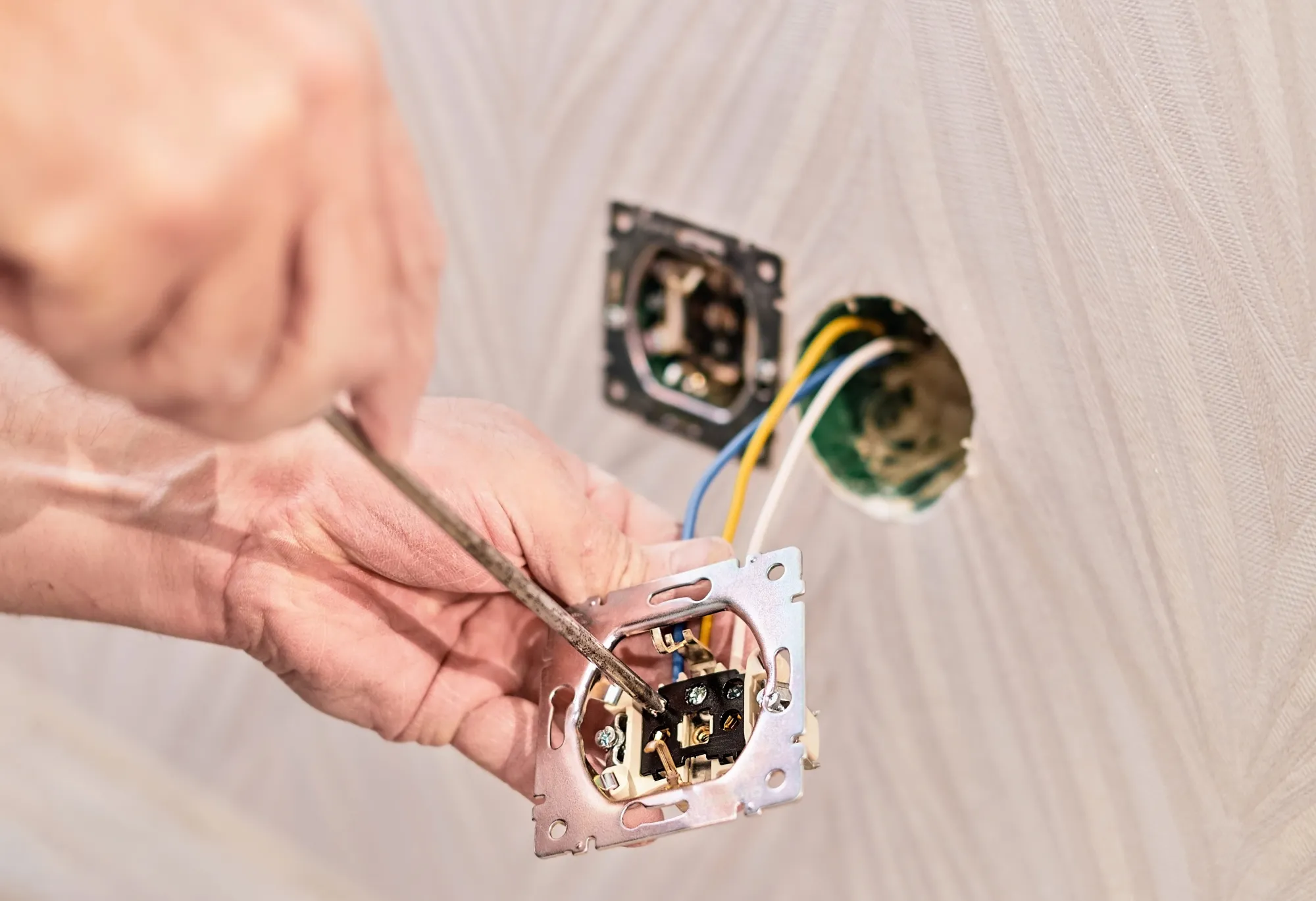
- Damaged wiring
Routine testing helps businesses maintain safer work environments by detecting unsafe conditions before they escalate.
Safety-focused testing is especially important in commercial facilities using:
- High-powered machinery
- Industrial equipment
- Automation systems
- Extensive data infrastructure
- High electrical loads
Maintaining safe electrical systems also supports overall workplace compliance and operational reliability.
Helps Protect Business Equipment
Modern businesses depend heavily on expensive electrical and digital equipment.
Sensitive systems such as:
- Servers
- Computers
- Networking hardware
- Manufacturing machinery
- Security systems
- Automation controls
can be vulnerable to electrical instability.
Issues such as voltage fluctuations, overloaded circuits, and faulty wiring may damage equipment or shorten operational lifespan.
Electrical testing helps identify power quality issues and infrastructure weaknesses that could negatively affect business technology.
Protecting equipment from electrical faults can reduce repair costs and improve long-term operational efficiency.
Supports Reliable Power Distribution
As businesses grow, electrical demands often increase significantly.
Additional devices, machinery, and smart technologies place greater pressure on existing infrastructure.
Electrical testing helps assess whether systems can safely support:
- Increased electrical loads
- Additional equipment
- Expanded office operations
- Smart building technologies
- Future infrastructure upgrades
Reliable power distribution is essential for maintaining efficient business operations without overloading circuits or switchboards.
Testing can also help identify areas where infrastructure improvements may be needed to support long-term growth.
Improves Energy Efficiency
Electrical inefficiencies can contribute to higher energy consumption and increased operating costs.
Faulty systems, overloaded circuits, and poor electrical performance may reduce overall efficiency throughout the workplace.
Electrical testing can help identify:
- Excessive power usage
- Poor load balancing
- Equipment inefficiencies
- Heat-related energy loss
- Failing components
Improving system efficiency helps businesses optimise energy performance while reducing unnecessary strain on electrical infrastructure.
Energy-efficient operations can also support broader sustainability and operational improvement initiatives.
Supports Business Continuity Planning
Business continuity depends heavily on reliable electrical infrastructure.
Unexpected electrical failures can affect:
- Staff productivity
- Customer communication
- Operational scheduling
- Inventory systems
- Security monitoring
- Data access
Routine testing helps businesses reduce operational vulnerabilities by improving electrical reliability and identifying potential risks early.
Businesses that rely heavily on cloud systems, automation, or critical equipment particularly benefit from proactive electrical maintenance strategies.
Strong infrastructure planning supports better long-term operational stability and workplace resilience.
Identifies Ageing Infrastructure
Older electrical systems may struggle to support the demands of modern commercial environments.
Ageing infrastructure may include:
- Outdated switchboards
- Old wiring systems
- Inadequate circuit capacity
- Worn protective devices
Electrical testing helps identify components approaching failure or requiring upgrades.
Recognising ageing infrastructure early allows businesses to plan improvements strategically instead of facing sudden system breakdowns.
Modern workplaces increasingly require electrical systems capable of supporting:
- Smart office technologies
- Cloud computing
- High-speed data infrastructure
- Automation systems
- Hybrid work environments
Testing helps ensure infrastructure remains suitable for evolving business needs.
Supports Compliance and Maintenance Programs
Many commercial properties implement routine electrical inspections as part of broader maintenance and safety programs.
Regular testing helps businesses maintain:
- Safe operating conditions
- Reliable electrical performance
- Preventative maintenance schedules
- Reduced operational risks
Documented testing and inspection programs also improve visibility into system performance and infrastructure condition over time.
Preventative maintenance is often more cost-effective than reactive emergency repairs and large-scale electrical failures.
Why Proactive Electrical Testing Matters
Waiting for electrical systems to fail before addressing problems can increase risks associated with:
- Workplace downtime
- Equipment damage
- Safety hazards
- Operational disruption
- Higher repair costs
Proactive electrical testing helps businesses identify problems early, maintain safer workplaces, and improve long-term operational reliability.
Businesses planning preventative maintenance strategies may also explore commercial electrical testing and infrastructure solutions through Symbient Electrical to support safe and efficient business operations.
Frequently Asked Questions
What is commercial electrical testing?
Commercial electrical testing involves inspecting electrical systems, circuits, switchboards, and equipment to ensure safe and reliable performance.
How does electrical testing reduce workplace downtime?
Electrical testing helps identify faults early, reducing the risk of unexpected power failures, equipment breakdowns, and operational disruptions.
Why is preventative electrical maintenance important?
Preventative maintenance helps businesses avoid costly emergency repairs, improve safety, and maintain consistent electrical performance.
What electrical systems should businesses test regularly?
Businesses commonly test switchboards, circuits, safety switches, emergency lighting, equipment, and power distribution systems.
Can electrical testing improve workplace safety?
Yes. Electrical testing helps identify hazards such as overheating, faulty wiring, overloaded circuits, and damaged components before they become dangerous.
Conclusion
Reliable electrical infrastructure is essential for maintaining productive and efficient business operations. As workplaces become more dependent on digital systems, automation, and connected technologies, the risks associated with electrical downtime continue to grow.
Electrical testing helps businesses identify faults early, improve safety, protect equipment, and reduce operational disruptions. From preventing unexpected failures to supporting long-term infrastructure planning, proactive electrical testing plays an important role in maintaining stable and future-ready commercial environments.





























Sign in to leave a comment.