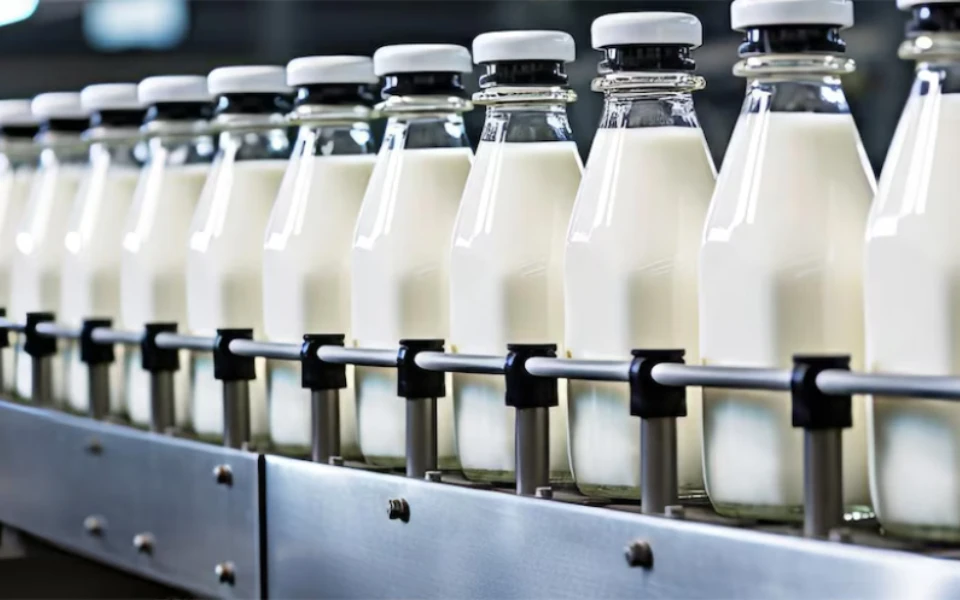

The dairy industry operates in a fast-moving, high-risk environment where efficiency, quality, and timing are critical. From milk procurement to product distribution, every stage involves multiple variables that must be carefully managed. However, many dairy businesses still rely on outdated systems, leading to inefficiencies, wastage, and a lack of control.
This is where Enterprise Resource Planning (ERP) systems step in as a game-changing solution. Modern platforms like Odoo enable dairy businesses to digitize operations, streamline workflows, and overcome industry-specific challenges with ease.
Understanding the Challenges in Dairy Businesses
Before diving into solutions, it’s important to understand the core challenges dairy businesses face:
- Managing perishable inventory
- Complex milk procurement processes
- Lack of real-time operational visibility
- Inefficient cold chain logistics
- Compliance and traceability requirements
- Demand fluctuations and production inefficiencies
Without a centralized system, these challenges can significantly impact profitability and growth.
What is ERP and Why It Matters for Dairy Industry?
An ERP system integrates all business processes into a single platform, allowing seamless communication between departments such as procurement, inventory, production, sales, and finance.
For dairy businesses, ERP acts as a central command system that provides:
- Real-time data access
- Process automation
- Better coordination across the supply chain
Solutions like Odoo are specifically designed to handle such complex operations with flexibility and scalability.
How ERP Systems Streamline Dairy Operations
1. Efficient Milk Procurement Management
Problem:
Handling procurement from multiple farmers and collection centers often leads to data errors and delays.
ERP Solution:
ERP systems:
- Capture real-time milk collection data
- Record quality parameters
- Automate payment calculations
This improves transparency and ensures accurate and timely transactions.
2. Smart Inventory Management for Perishable Goods
Problem:
Short shelf life leads to frequent spoilage and losses.
ERP Solution:
ERP enables:
- Real-time inventory tracking
- Expiry-based stock management (FEFO)
- Automated stock alerts
This helps reduce wastage and maintain optimal inventory levels.
3. Real-Time Supply Chain Visibility
Problem:
Lack of visibility makes it difficult to track operations and respond to issues.
ERP Solution:
ERP provides:
- Centralized dashboards
- Live tracking of goods and processes
- Data-driven insights
This allows businesses to make faster and more informed decisions.
4. Optimized Cold Chain and Logistics
Problem:
Maintaining temperature-controlled storage and transportation is challenging.
ERP Solution:
ERP systems help:
- Monitor storage conditions
- Plan efficient delivery routes
- Coordinate logistics operations
This ensures product quality and minimizes losses during transit.
5. Enhanced Quality Control and Compliance
Problem:
Meeting regulatory standards and maintaining traceability is complex.
ERP Solution:
ERP enables:
- Batch-wise tracking
- Digital quality records
- Quick recall management
This ensures compliance and builds consumer trust.
6. Improved Production Planning
Problem:
Unpredictable demand leads to overproduction or shortages.
ERP Solution:
ERP uses historical and real-time data to:
- Forecast demand
- Optimize production schedules
- Balance supply and demand
This increases efficiency and reduces unnecessary costs.
7. Financial Management and Cost Control
Problem:
Tracking costs across operations is difficult with disconnected systems.
ERP Solution:
ERP provides:
- Real-time financial reporting
- Cost analysis at every stage
- Automated billing and invoicing
This improves financial visibility and profitability.
Key Benefits of ERP for Dairy Businesses
Increased Operational Efficiency
Automation reduces manual work and improves productivity.
Reduced Wastage
Better inventory and logistics management minimize spoilage.
Better Decision-Making
Access to real-time data enables smarter business decisions.
Improved Transparency
Seamless data flow across departments enhances visibility.
Scalability
ERP systems like Odoo support business growth and expansion.
Future Trends: ERP and Digital Dairy Transformation
The future of dairy operations is driven by technology. ERP systems are evolving to integrate with:
- AI and analytics for predictive insights
- IoT devices for real-time monitoring
- Cloud platforms for scalability and remote access
- Mobile ERP for field operations
These advancements are helping dairy businesses build smarter, more connected ecosystems.
Best Practices for ERP Implementation in Dairy Businesses
To maximize the benefits of ERP, businesses should:
- Clearly define their operational requirements
- Choose the right ERP platform and partner
- Avoid excessive customization
- Train employees effectively
- Implement ERP in phases
A strategic approach ensures smoother adoption and long-term success.
Conclusion
The dairy industry faces unique challenges that require modern, scalable solutions. ERP systems provide a comprehensive way to streamline operations, reduce inefficiencies, and improve overall performance.
By leveraging powerful platforms like Odoo, dairy businesses can overcome operational bottlenecks, enhance supply chain visibility, and drive sustainable growth.
In today’s competitive landscape, ERP is not just a tool; it’s a strategic investment that empowers dairy businesses to adapt, innovate, and thrive.
























Sign in to leave a comment.