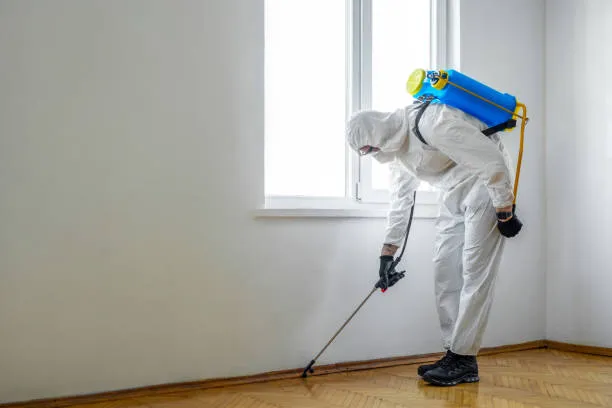

How Fast Can Emergency Pest Control Solve Infestations? A Complete Guide
When pests suddenly invade your home or business, the situation can go from inconvenient to urgent very quickly. Whether it’s a swarm of ants in the kitchen, a rodent spotted in the pantry, or bed bugs discovered in the bedroom, most people want one thing above all else—fast relief. That’s exactly where emergency pest control services come in.
But how fast can emergency pest control actually solve an infestation? The answer depends on several factors, including the type of pest, severity of the infestation, treatment method, and response time. In this complete guide, we’ll break down realistic timelines, what to expect during emergency treatment, and how quickly you can regain a pest-free environment.
What Is Emergency Pest Control?
Emergency pest control refers to rapid-response pest management services designed to handle urgent infestations as quickly as possible—often within the same day or within 24 hours of contact.
Unlike scheduled pest control appointments, emergency services prioritise immediate action. This makes them ideal for situations where pests pose health risks, structural damage, or severe discomfort.
Common emergency pest situations include:
- Sudden rodent infestations (rats or mice)
- Bed bug outbreaks
- Wasp or hornet nests near living areas
- Cockroach infestations in kitchens or restaurants
- Termite swarm sightings
- Flea or tick outbreaks affecting pets and homes
The goal is simple: stop the infestation from spreading and eliminate the immediate threat as quickly as possible.
How Fast Can Emergency Pest Control Respond?
In most cases, emergency pest control providers aim to respond within:
- 1–4 hours (urgent metro areas)
- Same day service (most suburbs and cities)
- Within 24 hours (regional or high-demand periods)
Once the technician arrives, the initial inspection and treatment often begin immediately.
However, it’s important to understand that response speed is not the same as full eradication time. Getting rid of pests completely may take hours, days, or even weeks depending on the situation.
How Fast Can Different Infestations Be Controlled?
Let’s break down realistic timelines for common pest problems handled through emergency pest control.
1. Cockroach Infestations
Cockroaches reproduce quickly and spread bacteria, making them a priority emergency case.
- Initial knockdown: Same day treatment
- Noticeable reduction: 24–48 hours
- Full elimination: 1–2 weeks (depending on severity)
Modern gel baits and residual sprays work quickly, but follow-up treatments may be required for hidden eggs.
2. Rodent Infestations (Rats and Mice)
Rodents require a strategic approach because they are intelligent and fast breeders.
- Initial control setup: Same day
- Population reduction: 3–7 days
- Complete eradication: 1–3 weeks
Emergency pest control typically includes traps, bait stations, and sealing entry points to prevent re-entry.
3. Bed Bugs
Bed bugs are one of the most challenging infestations to eliminate quickly.
- Initial treatment: Same day heat or chemical application
- Reduction in activity: 24–72 hours
- Full elimination: 2–4 weeks (multiple treatments often required)
Heat treatments are faster but still require follow-up inspections to ensure eggs are eliminated.
4. Ant Infestations
Ants can often be controlled more quickly than other pests.
- Initial knockdown: Same day
- Significant reduction: Within hours to 48 hours
- Full control: 2–5 days
However, colony elimination depends on locating and treating the nest.
5. Termite Emergencies
Termites are destructive but not always immediately visible, which makes timing tricky.
- Initial inspection and treatment setup: Same day or next day
- Control of active infestation: 1–7 days
- Long-term protection: Ongoing monitoring and barriers
Termite control focuses more on stopping damage progression than instant eradication.
6. Wasps and Bees
These are among the fastest pest emergencies to resolve.
- Nest removal: Same day service (often within hours)
- Complete elimination: Immediate
Due to safety risks, professionals remove nests quickly and safely, often in a single visit.
What Happens During an Emergency Pest Control Visit?
When you call an emergency pest control service, here’s what typically happens:
1. Rapid Assessment
The technician identifies the pest, infestation level, and affected areas.
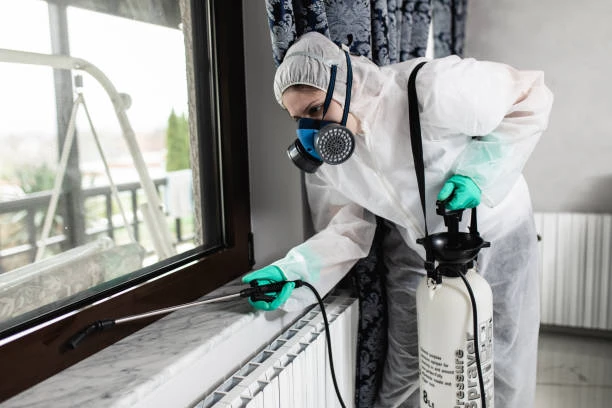
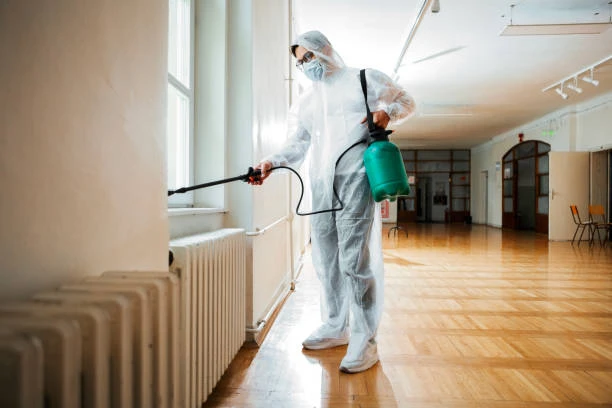
2. Immediate Treatment
Depending on the pest, treatment may include:
- Sprays or gels
- Traps and bait stations
- Heat treatment
- Nest removal
- Entry point sealing
3. Safety Measures
Technicians ensure pets, children, and residents are safe during and after treatment.
4. Prevention Advice
You’ll receive recommendations to prevent re-infestation, such as sealing cracks, improving hygiene, or removing food sources.
Factors That Affect How Fast Pest Control Works
Even with emergency services, several factors influence how quickly pests are eliminated:
1. Severity of Infestation
A small infestation is much faster to treat than a long-established colony.
2. Pest Type
Some pests (like ants or wasps) are quicker to eliminate than others (like bed bugs or termites).
3. Property Size and Layout
Larger or more complex buildings take longer to inspect and treat fully.
4. Accessibility
Hidden pests in walls, ceilings, or underground areas require more time and follow-up.
5. Treatment Method Used
Heat treatments, chemical applications, or baiting systems all work at different speeds.
Can Emergency Pest Control Solve Everything in One Visit?
Sometimes yes—but not always.
- One-visit solutions: Wasps, ants, small cockroach infestations, minor rodent activity
- Multiple visits required: Bed bugs, termites, severe rodent infestations
Emergency pest control is designed for immediate impact, but full eradication often requires follow-up inspections to ensure pests don’t return.
How to Speed Up Results After Treatment
You can help improve results by:
- Keeping treated areas clean and dry
- Avoiding food exposure (especially for ants and cockroaches)
- Not disturbing bait stations or traps
- Sealing cracks and entry points
- Following technician instructions carefully
These small actions can significantly reduce treatment time and improve effectiveness.
Final Thoughts
So, how fast can emergency pest control solve infestations?
- Response time: Often within hours
- Initial relief: Same day or within 24 hours
- Full elimination: Anywhere from 1 day to several weeks depending on the pest
The key takeaway is that emergency pest control is designed to act fast—stopping infestations from spreading and quickly reducing pest activity. However, complete eradication depends on pest type, severity, and follow-up care.
If you’re dealing with a sudden infestation, acting quickly is the most important step. The sooner professionals are called, the faster and more effective the outcome will be.



























Sign in to leave a comment.