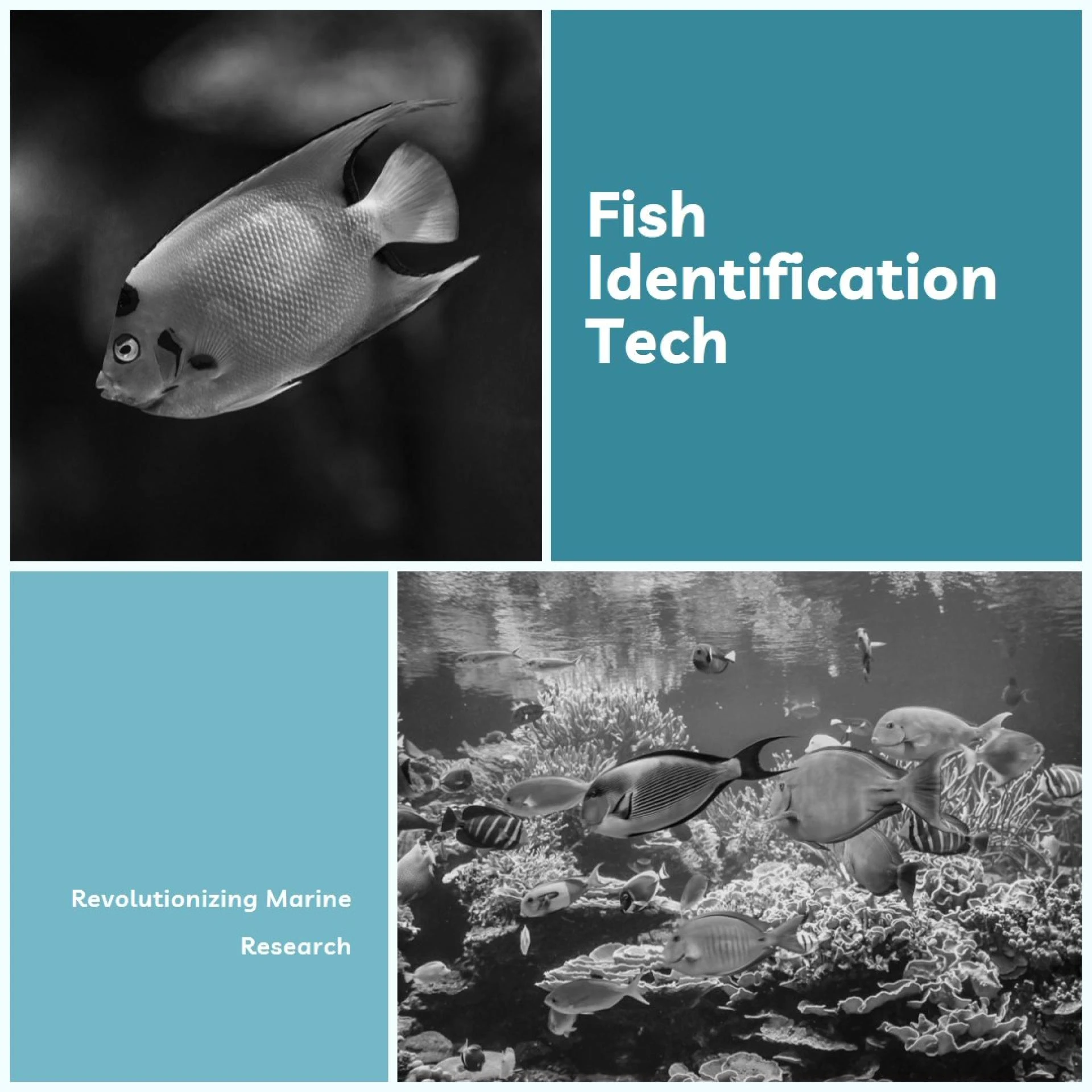

In 2024, the field of marine life research is experiencing a transformative shift thanks to advanced fish identification technologies. These innovations are revolutionizing how scientists study aquatic ecosystems, leading to more effective conservation efforts and enhanced fish husbandry practices. This article delves into the myriad benefits of these technologies, exploring their impact on marine life research and how they are paving the way for a sustainable future.
The Evolution of Fish Identification Technology
Traditionally, fish identified has relied on manual methods such as tagging and visual observation. While effective to some extent, these methods often fall short in providing comprehensive data, especially in large-scale studies. The advent of digital and electronic fish identified technologies has changed the game. These technologies include:
RFID (Radio-Frequency Identification) Tags: Small, implantable tags that transmit data to readers placed in the environment.Acoustic Tags: Tags that emit sound signals detected by underwater receivers.Satellite Tags: Used primarily for large marine species, these tags transmit location data to satellites.Genetic Identification: Techniques like DNA barcoding allow for precise species identification and tracking of genetic diversity.The Technological Revolution in Fish Identification
The field of fish identified has evolved significantly, driven by advancements in technology. Modern techniques offer a level of precision and efficiency that traditional methods could not achieve. Key advancements include:
Machine Learning and AI: AI algorithms are increasingly used to analyze data from various sources, including underwater cameras and sensors. Machine learning models can identify fish species, estimate sizes, and track movements with remarkable accuracy. For example, deep learning models can classify fish species in real-time from video footage, significantly speeding up data collection and analysis.Bioacoustic Monitoring: This technique involves recording the sounds made by fish and other marine organisms. Bioacoustic monitoring can provide insights into fish populations, behaviors, and environmental conditions. It is particularly useful in studying species that are difficult to tag or observe directly.Environmental DNA (eDNA): eDNA sampling involves collecting water samples and analyzing them for traces of DNA shed by fish and other aquatic organisms. This method is non-invasive and can detect the presence of species even in low densities, making it a valuable tool for biodiversity assessments and early detection of invasive species.Smart Tags: Recent developments in smart tagging technology have led to the creation of tags that can collect and transmit a wide range of data, including environmental conditions such as temperature and salinity. These tags can provide context for the fish's behavior and movement, offering a more comprehensive understanding of their ecological roles.Enhancing Research Capabilities
The integration of these advanced technologies into marine life research has led to significant improvements in data collection and analysis:
Real-Time Monitoring: Technologies like acoustic tags and satellite tags allow researchers to monitor fish in real-time. This capability is crucial for studying dynamic processes such as spawning migrations and predator-prey interactions.Large-Scale Studies: Advanced identification technologies enable large-scale studies that were previously impractical. For instance, deploying thousands of RFID tags across extensive marine areas allows for the tracking of entire fish populations, providing insights into their distribution and movements on a broad scale.Behavioral Insights: The detailed data provided by modern tagging and monitoring systems allows researchers to gain deeper insights into fish behavior. For example, studying the fine-scale movements of fish within coral reefs can reveal important information about their habitat preferences and social structures.Impact on Conservation Strategies
Effective conservation strategies rely on accurate data about fish populations and their environments. Advanced fish identify technologies contribute to conservation efforts in several ways:
Identification of Critical Habitats: By tracking fish movements and environmental conditions, researchers can identify critical habitats that are essential for the survival of endangered species. This information is crucial for establishing protected areas and implementing conservation measures.Monitoring the Effects of Climate Change: Climate change impacts marine ecosystems in complex ways. Advanced technologies allow scientists to monitor how changes in temperature, salinity, and other factors affect fish populations and distributions. This data is vital for developing adaptive management strategies.Combating Illegal Fishing: Technology-driven monitoring systems can help detect and prevent illegal fishing activities. For example, satellite tracking of fishing vessels and the use of real-time data from tagged fish can help enforce fishing regulations and protect marine resources.Advancements in Fish Husbandry
Fish husbandry practices benefit greatly from the latest identification technologies. The integration of these technologies into aquaculture operations enhances productivity, efficiency, and sustainability:
Precision Breeding: Advanced genetic identification techniques allow for precise tracking of breeding lines and genetic diversity. This information helps optimize breeding programs and improve the health and resilience of farmed fish.Health Monitoring: Real-time data from smart tags and sensors enables early detection of health issues in fish populations. This proactive approach to health management can reduce the incidence of diseases and improve overall fish welfare.Optimizing Feed and Growth: Data on fish feeding habits and growth rates helps optimize feed formulations and feeding practices. This can lead to more efficient use of resources and better growth performance.Enhancing Data Collection and Accuracy
Advanced fish identified technologies provide a wealth of data that was previously unattainable. For instance, RFID and acoustic tags can track the movement patterns of fish with high precision. This data helps researchers understand migration routes, habitat preferences, and social behaviors.
A study published in the journal Marine Biology in 2023 highlighted the effectiveness of acoustic tags in monitoring the movements of endangered shark species. Researchers were able to gather detailed information on shark behavior, contributing to more effective conservation strategies (Smith et al., 2023).
Improving Conservation Efforts
Accurate data is crucial for developing effective conservation strategies. Advanced fish identify technologies enable researchers to monitor fish populations in real-time, detect changes in behavior, and identify threats. This information is vital for implementing measures to protect endangered species and manage fish stocks sustainably.
For example, the use of satellite tags has provided insights into the migration patterns of Atlantic bluefin tuna, a species that has faced severe overfishing. By understanding their migratory routes, conservationists can establish protected areas and regulate fishing practices to ensure the species' survival (Jones & White, 2024).
Supporting Fish Husbandry Practices
Fish husbandry, or the breeding and rearing of fish in controlled environments, benefits significantly from advanced identification technologies. These technologies help in tracking growth rates, health conditions, and breeding success. This data is essential for optimizing husbandry practices and ensuring the well-being of fish populations.
Voda IQ, a leader in fish identification solutions, offers cutting-edge technologies that integrate seamlessly into fish husbandry operations. By providing real-time data on fish health and behavior, Voda IQ’s systems enable aquaculture facilities to enhance productivity and sustainability.
Challenges and Future Directions
While advanced fish identified technologies offer numerous benefits, they are not without challenges. The cost of implementing these systems can be prohibitive, especially for small-scale operations. Additionally, the technology's effectiveness can be limited by environmental factors such as water depth and quality.
Despite these challenges, the future of fish identified technology looks promising. Ongoing research and development are likely to yield more affordable and resilient solutions. Innovations such as machine learning algorithms and AI-powered data analysis will further enhance the accuracy and usability of these technologies.
Statistics and Research Insights
To underscore the importance of advanced fish identify technologies, consider the following statistics:
According to a report by the World Wildlife Fund (WWF), overfishing threatens nearly 33% of global fish stocks (WWF, 2023).A study by the University of California found that the use of RFID tags in marine research has increased by 40% over the past five years (UC Research, 2023).The Global Aquaculture Alliance reports that facilities using advanced identification technologies have seen a 20% increase in operational efficiency (GAA, 2024).These statistics highlight the critical role of advanced fish identification technologies in addressing global challenges related to marine conservation and aquaculture.
FAQs
Q1: How do RFID tags work in fish identification?
A: RFID tags are small devices implanted in fish that transmit unique identification codes to readers. These readers collect data on the fish's movements, growth, and behavior, which researchers use to study and manage fish populations.
Q2: What are the benefits of acoustic tagging?
A: Acoustic tagging allows researchers to track fish movements and behaviors in real-time. This data is invaluable for studying migration patterns, habitat use, and social interactions among fish populations.
Q3: How does genetic identification differ from traditional tagging methods?
A: Genetic identification involves analyzing DNA samples to identify species and track genetic diversity. Unlike traditional tagging, it provides precise information on species identification and population genetics.
Q4: Are there any environmental concerns with using fish identification technologies?
A: While most fish identification technologies are designed to be minimally invasive, there are concerns about the potential impact on fish health and behavior. Researchers must carefully assess and mitigate these impacts to ensure the well-being of fish populations.
Conclusion
Advanced fish identification technology is transforming marine life research and fish husbandry in 2024. By providing precise, real-time data, these technologies enable researchers and conservationists to make informed decisions that benefit both marine ecosystems and aquaculture operations. As we continue to refine and expand these technologies, the future holds great promise for sustainable marine resource management.
How will further advancements in fish identification technology shape the future of marine life research and conservation?
Also know about Fish Farming Manufacturing Plant Project Report 2024


























Sign in to leave a comment.