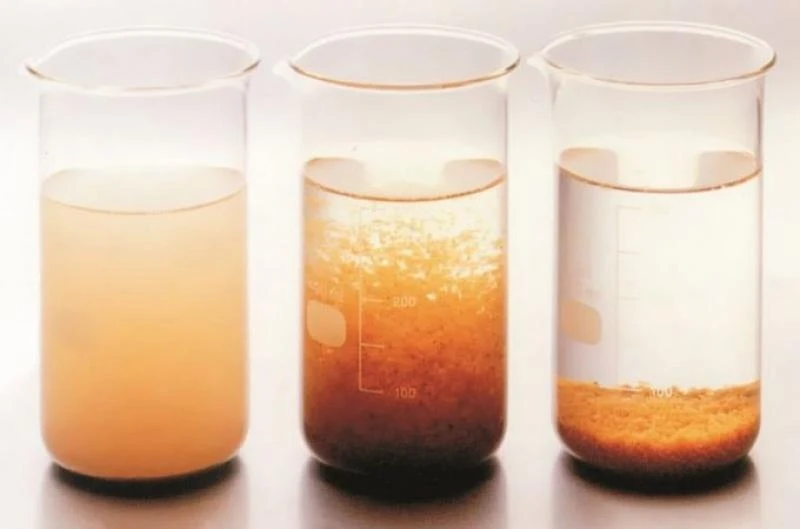

In order to purify water, are necessary chemicals. They function by getting rid of contaminants and suspended materials that render water unfit for human consumption or industrial usage. Coagulation is the first step in the process, which involves adding coagulants like aluminium sulphate or ferric chloride to the water. These coagulants interact with the impurities and suspended particles, which leads to the formation of flocs, which are bigger aggregates.
Flocculants like polyacrylamide or polyethylene oxide are added to the water after the flocs have formed. The flocs are assisted in aggregating and settling out of the water by the flocculants. Purified water is then produced by removing the flocculants and coagulants settled particles using sedimentation or filtering.
The kind of pollutants present in the water, the pH level of the water, and the chemical dose employed all affect how efficient flocculants and coagulants are. To get the best results, it is crucial to carefully choose the ideal flocculant and coagulant mix for each unique water treatment application.
Read More: https://cmiaspireblog.blogspot.com/2023/04/understanding-importance-of-flocculants.html









Sign in to leave a comment.