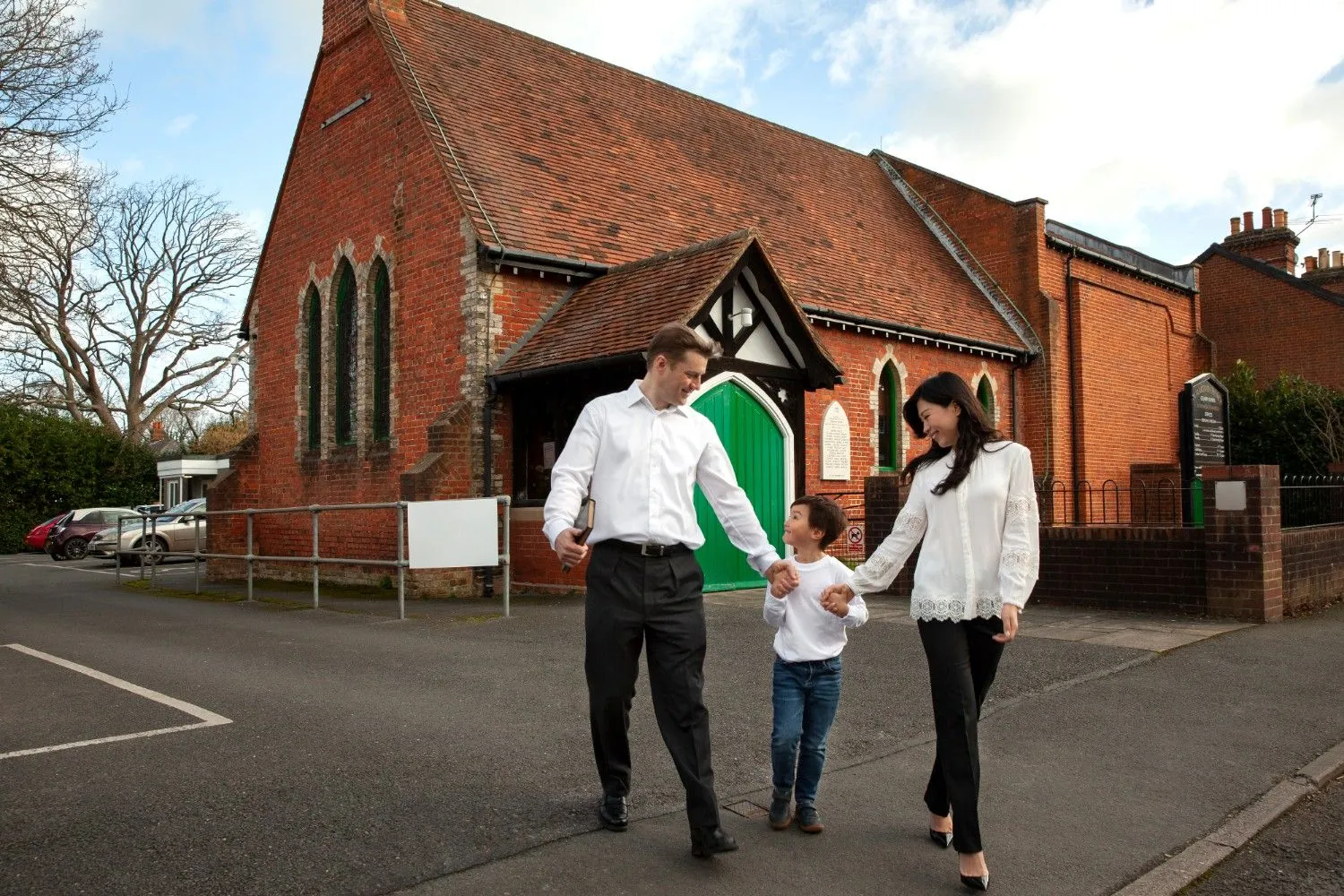

Every child deserves stability, safety, and someone who genuinely cares. In Oklahoma, thousands of children are waiting for exactly that, and the families who step forward create ripple effects that reach far beyond a single household. If you've been exploring how to become a foster parent in Oklahoma, you're already considering something that can reshape an entire community.
Foster care isn't just about opening your home. It's about filling gaps in the support system that children and teens rely on during some of the most vulnerable moments of their lives. The decision to foster, especially for children with complex emotional and behavioral needs, strengthens neighborhoods, schools, and local support networks in ways most people never fully realize.
This piece breaks down exactly how fostering transforms communities across Oklahoma, what prospective foster parents should understand about the process, and why therapeutic foster care is becoming one of the most critical needs in the state.
Why Oklahoma Needs More Foster Families Right Now
Oklahoma consistently ranks among the states with the highest rates of children in foster care per capita. The demand for qualified, compassionate foster homes far exceeds the supply, and the gap is especially wide for older children and teens with trauma histories.
Many of these young people have experienced abuse, neglect, or multiple placement disruptions.
They need more than a roof over their heads. They need caregivers trained in trauma-informed approaches who can provide consistency and emotional safety.
When communities lack enough foster homes, children are placed farther from their schools, friends, and familiar environments. That kind of displacement compounds the trauma they've already experienced. More local foster families means more children can stay connected to the people and places they know.
How Becoming a Foster Parent in Oklahoma Strengthens Local Schools
One of the most overlooked benefits of fostering is the positive impact on local education systems. Children in foster care frequently change schools, sometimes multiple times in a single year. Each move disrupts their learning, social connections, and sense of belonging.
When a community has a strong network of foster families, children are more likely to remain in their home school district. Teachers and counselors can maintain continuity of support. Classmates don't lose a friend. And the child doesn't have to start over again.
Foster parents who collaborate with school staff, attend meetings, and advocate for their foster child's educational needs help create a more inclusive and supportive school culture for everyone. That kind of involvement benefits all students, not just those in care.
The Community Impact of Therapeutic Foster Care
Not all foster care looks the same. Therapeutic foster care is designed specifically for children and adolescents with significant emotional, behavioral, or developmental challenges. These are young people who haven't been able to thrive in traditional placements and need a higher level of structured, clinical support.
Therapeutic foster parents receive specialized training in areas like de-escalation, attachment theory, and trauma-informed caregiving. This training doesn't just help the child in your home. It builds a broader community of adults who understand childhood trauma and can respond to it with skill and compassion.
When more people in a community understand the realities of trauma, the entire culture shifts. Neighbors become more empathetic. Local organizations become more responsive. And children who might otherwise cycle through institutions find stable, healing environments. You can learn more about How To Become A Foster Parent In Oklahoma to understand the specific steps and training involved.
What Makes Therapeutic Foster Care Different
Therapeutic foster care pairs trained caregivers with clinical support teams that may include therapists, case managers, and behavioral specialists. The foster parent isn't expected to do it alone. Instead, they become part of a coordinated care team focused on helping the child heal and develop coping skills.
This model reduces the likelihood of placement disruptions, hospitalizations, and involvement with the juvenile justice system. Communities that invest in therapeutic foster care see measurable reductions in these costly and harmful outcomes.
How Foster Families Build Stronger Neighborhoods
Foster families don't operate in isolation. They connect with support groups, faith communities, local agencies, and other foster families. These connections weave a tighter social fabric across neighborhoods.
When a family fosters, they often inspire others to consider it. They share their experiences, dispel myths, and demonstrate that ordinary families can make an extraordinary difference. This kind of grassroots advocacy is one of the most powerful recruitment tools in foster care.
Communities with active foster family networks also tend to develop stronger volunteer cultures. People who may not be ready to foster often step up in other ways, by mentoring, tutoring, donating supplies, or providing respite care. The act of fostering creates a broader ecosystem of support.
What Does It Take to Become a Foster Parent in Oklahoma City and Beyond?
The process of becoming a foster parent in Oklahoma City and other parts of the state involves several key steps. While requirements can vary slightly depending on the agency, the general pathway includes a background check, home study, and pre-service training.
You don't need to be wealthy, married, or a homeowner. Single adults, renters, and people from all backgrounds can qualify. What matters most is your willingness to learn, your emotional readiness, and your commitment to providing a safe and supportive environment.
For those interested in therapeutic foster care, additional training is typically required. This prepares you to work with children who have experienced significant adversity and equips you with practical tools for everyday situations.
Key Requirements at a Glance
- Must be at least 21 years old
- Must pass criminal background checks and child abuse registry checks
- Must complete a home study conducted by a licensed agency
- Must attend pre-service training hours (varies by agency and foster care type)
- Must have adequate space in your home for a child
- Must demonstrate financial stability to meet your own household needs
The Lasting Ripple Effect of One Foster Family
Research consistently shows that stable foster placements improve long-term outcomes for children. They're more likely to graduate high school, less likely to experience homelessness as adults, and better equipped to form healthy relationships.
But the impact doesn't stop with the child. Foster families report personal growth, deeper empathy, and a stronger sense of purpose. Their biological children often develop greater compassion and resilience. Extended family members and friends gain a new understanding of the challenges facing vulnerable youth.
One family stepping forward sets off a chain reaction. The child stabilizes. The school benefits. The neighborhood grows stronger. And the community becomes a place where every child has a better chance at a healthy future.
Fostering in Oklahoma is more than an individual decision. It's a community investment. Every family that opens its doors to a child in need helps close the gap between what vulnerable young people experience and what they deserve.
Frequently Asked Questions
1. What are the basic requirements to become a foster parent in Oklahoma?
You must be at least 21 years old, pass background checks, complete a home study, and attend pre-service training through a licensed agency.
2. What is therapeutic foster care and how is it different from regular foster care?
Therapeutic foster care provides specially trained caregivers and clinical support teams for children with significant emotional, behavioral, or developmental needs who cannot thrive in traditional placements.
3. How does fostering benefit the local community in Oklahoma?
Fostering keeps children connected to their schools and neighborhoods, reduces placement disruptions, and builds stronger local support networks that benefit everyone.




























Sign in to leave a comment.