
A video game can contain impressive visuals, interesting mechanics and an elaborate story, yet these elements become much more meaningful when they work together. Modern game development increasingly depends on creating a coherent experience in which the world, characters, gameplay and artistic direction support the same overall idea. This is one reason why creative identity has become such an important part of how individual projects distinguish themselves.
The Value of a Clear Creative Direction
Players usually encounter a game as a complete experience rather than as a collection of technical components. Movement, combat, environments, characters and narrative all contribute to the impression a title creates. When those parts share a recognizable direction, even familiar gameplay concepts can acquire a distinctive personality.
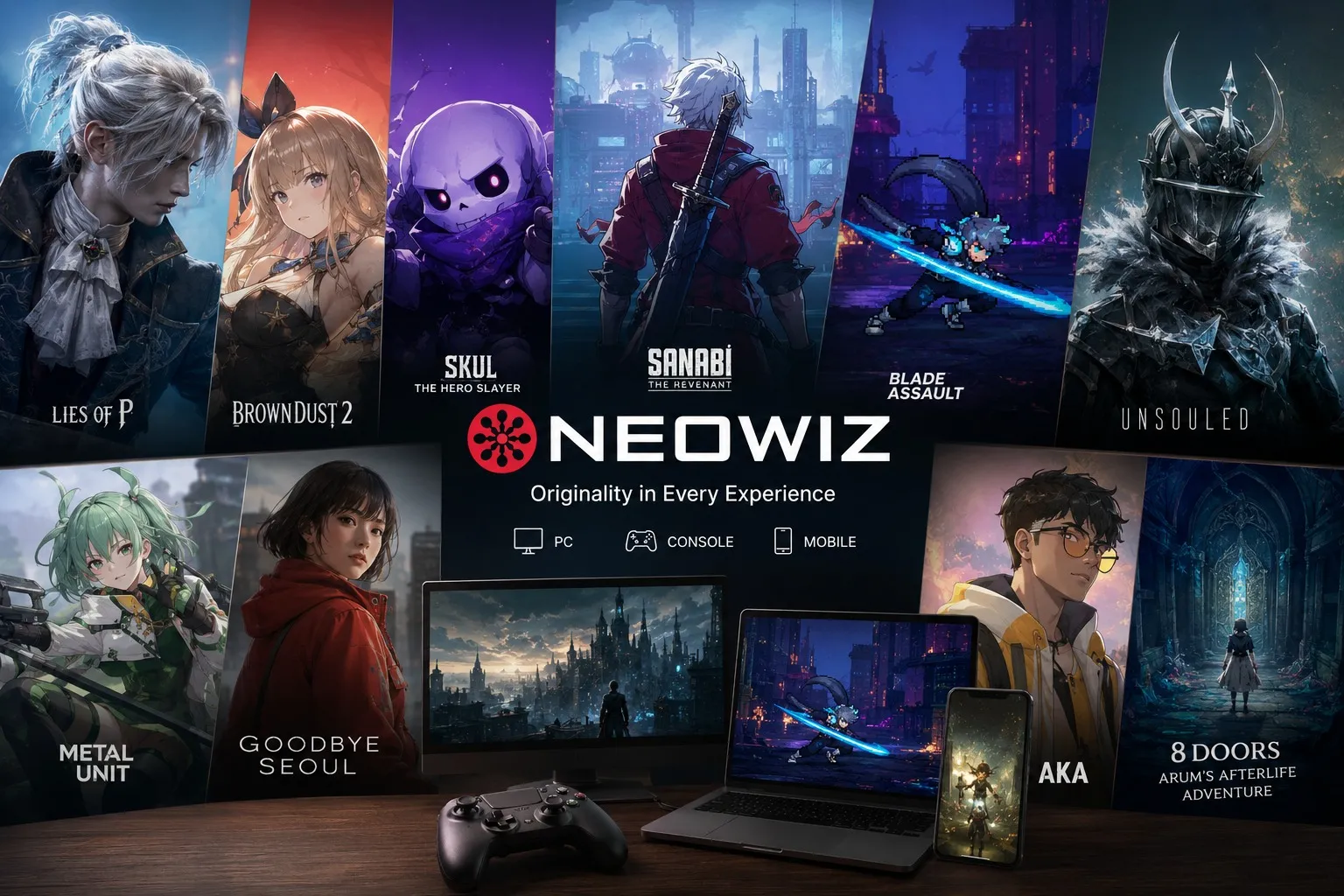
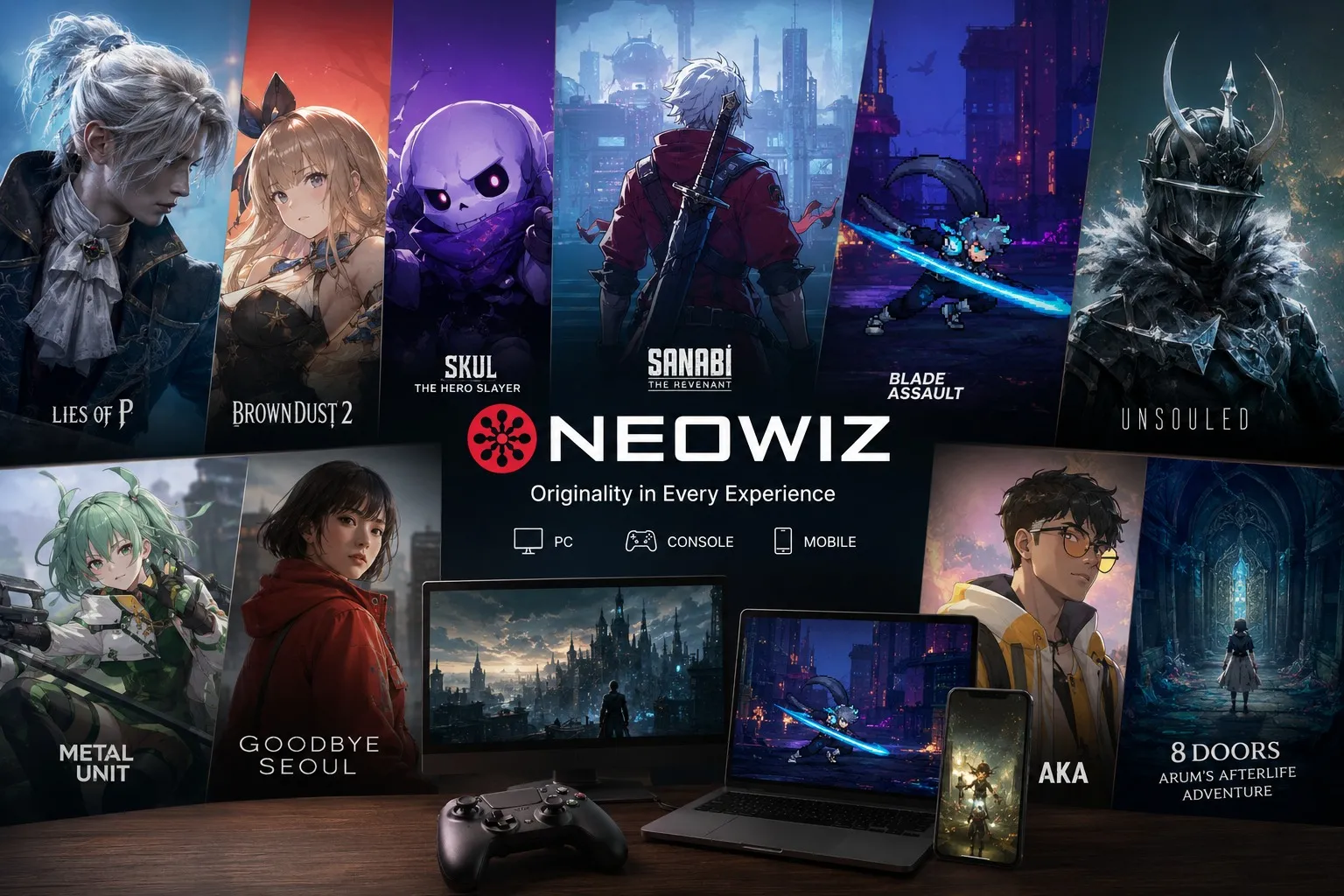
The portfolio presented around NEOWIZ reflects this through games such as Skul: The Hero Slayer, Blade Assault, SANABI: The Revenant, AKA, UNSOULED, Goodbye Seoul, 8Doors: Arum’s Afterlife Adventure, Metal Unit and Lies of P. These projects demonstrate the breadth of styles that can exist within a varied catalogue.
Such differences are useful because interactive entertainment does not have to satisfy every player in exactly the same way. A project may attract attention through action, another through atmosphere, while a different title can emphasize narrative or experimentation.
Creating Worlds That Have Their Own Identity
World-building is more than designing attractive locations. A fictional setting becomes convincing when its visual language, characters and gameplay feel connected. Original intellectual property gives creators considerable freedom to establish these relationships from the beginning.
The broader creative philosophy described on playneowiz.com emphasizes original IP, distinctive worlds and gameplay experiences that avoid feeling generic. This focus places personality alongside technical quality and treats artistic direction, emotional depth and game design as complementary parts of a memorable experience.
An original world also creates room for discovery. Instead of entering a setting whose rules and characters are already completely established elsewhere, players can gradually learn how a new universe works through exploration and interaction.
Different Experiences Need Different Approaches
Not every game is intended to produce the same rhythm. Some experiences are fast and demanding, while others create their appeal through atmosphere, narrative progression or experimentation. Supporting multiple styles allows developers and publishers to work with this variety rather than forcing different concepts into one structure.
This principle becomes particularly relevant when a portfolio covers several genres and tones. Variety gives creative teams room to explore ideas that may appeal to different sections of the gaming community.
It can also make experimentation more practical. When there is no requirement for every project to imitate the same successful formula, developers have more freedom to explore distinctive concepts and unexpected combinations of familiar ideas.
PC, Console and Mobile as Different Spaces for Play
The diversity of modern gaming extends beyond genres. Players now access interactive entertainment through several types of hardware, and the source describes a multiplatform presence covering PC, console and mobile.
Each platform creates its own context. PC and console development can support premium titles focused on depth and immersive entertainment. Mobile platforms, meanwhile, offer opportunities connected with accessibility, flexibility and everyday use.
For developers and publishers, working across these environments provides a broader set of possibilities. A varied platform strategy can connect different types of games with audiences whose playing habits may differ considerably.
From Development to Global Publishing
A strong creative idea still needs a path to its audience. This is where publishing becomes part of the larger process surrounding game development.
The publishing approach described by NEOWIZ involves collaboration with development partners as well as market insight, platform expertise and global reach. Rather than treating publishing exclusively as distribution, this perspective connects it with the environment in which a project can reach wider markets.
International publishing is particularly relevant in a connected industry. Players regularly discover games produced outside their own regions, and communities can form around the same title across different countries and cultures.
That wider reach does not require eliminating creative differences. A distinctive project can preserve its individual character while becoming accessible to a much broader audience.
Innovation Does Not Depend on Technology Alone
Discussions about innovation in gaming often concentrate on technical advances. New hardware and development tools certainly influence what creators can build, but innovation can also come from a new artistic direction, an unusual partnership or a different approach to an established gameplay idea.
This broader interpretation gives creative teams more possibilities. A project does not need a technological breakthrough to offer something fresh. Sometimes originality emerges from the relationship between familiar mechanics and an unexpected world, character or narrative structure.
Adaptability also becomes important because gaming changes continuously. Platforms evolve, player expectations shift and new creative opportunities appear. Remaining open to different ideas makes it easier to respond to those changes without abandoning a project's individual identity.
Why Coherence Makes Games Memorable
There is rarely one isolated feature that determines whether a game stays in a player's memory. Instead, lasting impressions often emerge from several elements reinforcing one another.
Gameplay can make a world enjoyable to explore, artistic direction can strengthen its atmosphere, and characters can give emotional meaning to the events taking place within it. Technical polish then supports the experience rather than replacing its creative foundation.
This helps explain why diversity and originality remain valuable in modern game development. A broad portfolio can accommodate projects with very different ambitions while still focusing on coherent, thoughtfully designed experiences. When creative direction, gameplay and world-building complement each other, a game has a stronger opportunity to develop an identity that feels entirely its own.


























Sign in to leave a comment.