
In many organizations, misalignment is not caused by a lack of talent or effort. It happens because teams are moving fast without a shared understanding of the problem they are trying to solve. Product managers focus on business goals, designers advocate for users, engineers think in systems and feasibility, and leadership looks for measurable outcomes. Without a common strategic foundation, even the best teams can pull in different directions.
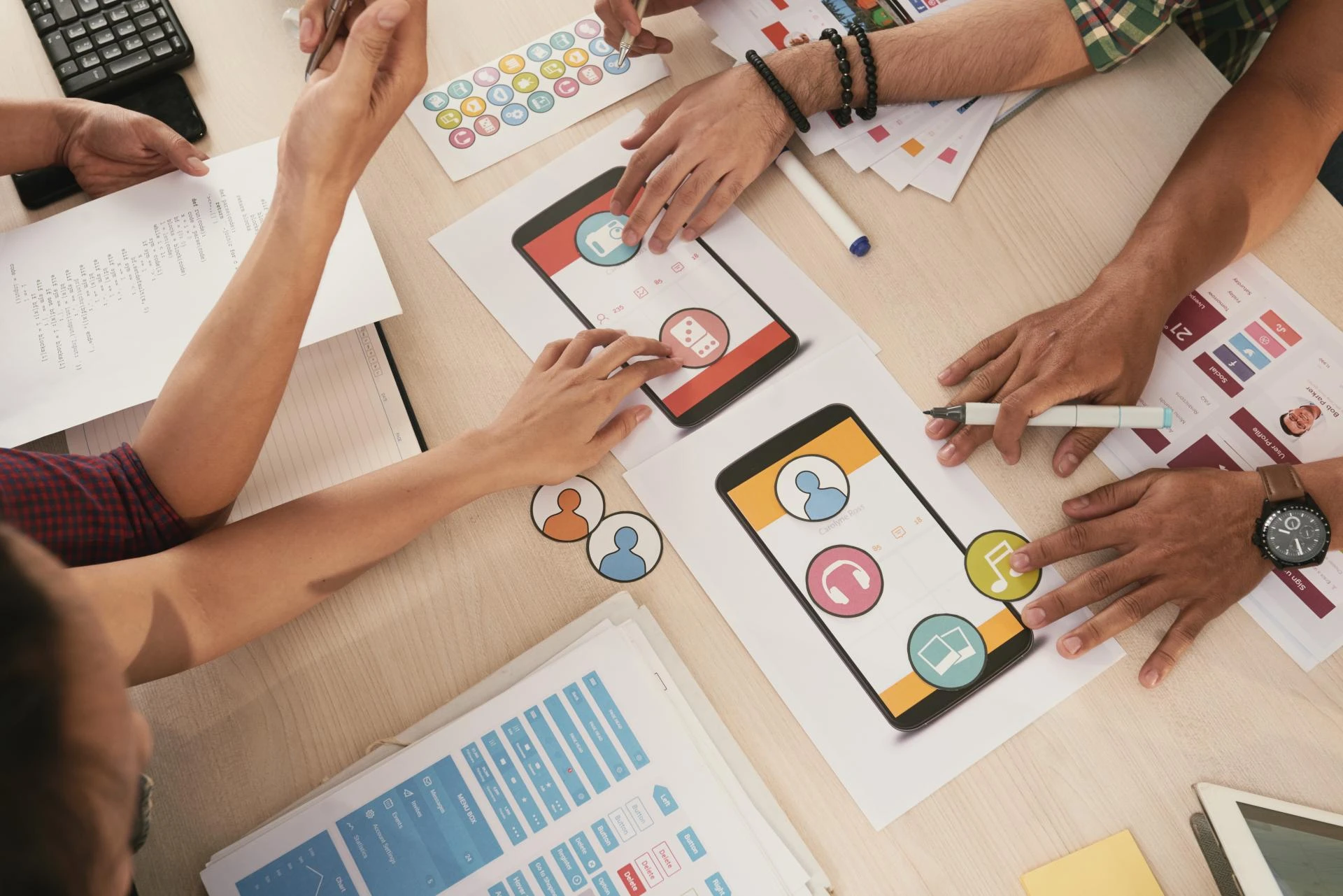
Hands-on UX and AI strategy workshops help close this gap by creating clarity, shared language, and collective ownership. Instead of relying on abstract presentations or disconnected planning sessions, these workshops bring cross-functional teams together to work through real challenges in a structured, practical way.
Creating a Shared Understanding of the Problem
One of the biggest benefits of hands-on workshops is alignment around the problem space before solutions are discussed. Teams often jump straight into features, tools, or AI capabilities without validating whether they are solving the right problem.
UX and AI strategy workshops emphasize discovery. Participants explore user needs, business goals, technical constraints, and ethical considerations together. By mapping assumptions and testing them early, teams gain a clearer view of what success actually looks like. This shared understanding reduces confusion and prevents costly rework later in the product lifecycle.
Bridging Business, UX, and AI Perspectives
AI initiatives often fail because they are treated as purely technical upgrades rather than strategic business decisions. A well-designed workshop connects AI possibilities with user experience and business value.
Through guided exercises, teams learn how AI can support user goals instead of complicating them. They evaluate where automation makes sense, where human judgment is still essential, and how trust and transparency should be designed into AI-driven experiences. This approach helps stakeholders move beyond hype and focus on meaningful outcomes.
When business leaders, designers, and engineers collaborate in the same room, alignment happens naturally. Everyone sees how their decisions impact the system as a whole.
Making Strategy Tangible Through Practice
Strategy can feel abstract unless teams actively apply it. Hands-on workshops turn strategic thinking into something teams can see and do. Activities like service blueprinting, journey mapping, rapid prototyping, and scenario testing help participants connect theory to real-world decisions.
This practical approach accelerates learning and builds confidence. Teams leave with artifacts they can use immediately, such as validated problem statements, opportunity maps, and early prototypes. More importantly, they develop a repeatable way of thinking that carries into future projects.
Improving Communication and Team Trust
Alignment is not just about documents and frameworks. It is also about trust and communication. Workshops create a neutral space where teams can surface concerns, challenge assumptions, and listen to different perspectives without hierarchy getting in the way.
By working through problems together, teams build empathy for each other’s roles. Designers understand technical constraints, engineers appreciate user-centered goals, and leaders gain insight into the complexity of execution. This shared experience strengthens collaboration long after the workshop ends.
Accelerating Decision-Making and Execution
When teams are aligned, decisions happen faster. There is less debate about priorities because goals and success metrics are already agreed upon. Hands-on UX and AI strategy workshops provide a clear direction, helping teams move from uncertainty to action with confidence.
Instead of revisiting the same questions in every meeting, teams can focus on execution, experimentation, and continuous improvement.
FAQs
1. Who should attend UX and AI strategy workshops?
These workshops are most effective when they include cross-functional participants such as product managers, designers, engineers, data scientists, and business leaders.
2. Are these workshops suitable for teams new to AI?
Yes. A good workshop meets teams where they are, helping them understand AI strategically without requiring deep technical expertise.
3. What outcomes can teams expect after a workshop?
Teams typically leave with clearer alignment, validated assumptions, strategic artifacts, and a shared framework for making future product decisions.
If you are looking to align your teams, reduce risk, and build AI-driven products with purpose, learning from experts makes a measurable difference. Jaime Levy brings decades of experience in UX strategy, systems thinking, and AI-driven product innovation through hands-on workshops, consulting, and training designed to help teams build the right thing, the right way.

























Sign in to leave a comment.