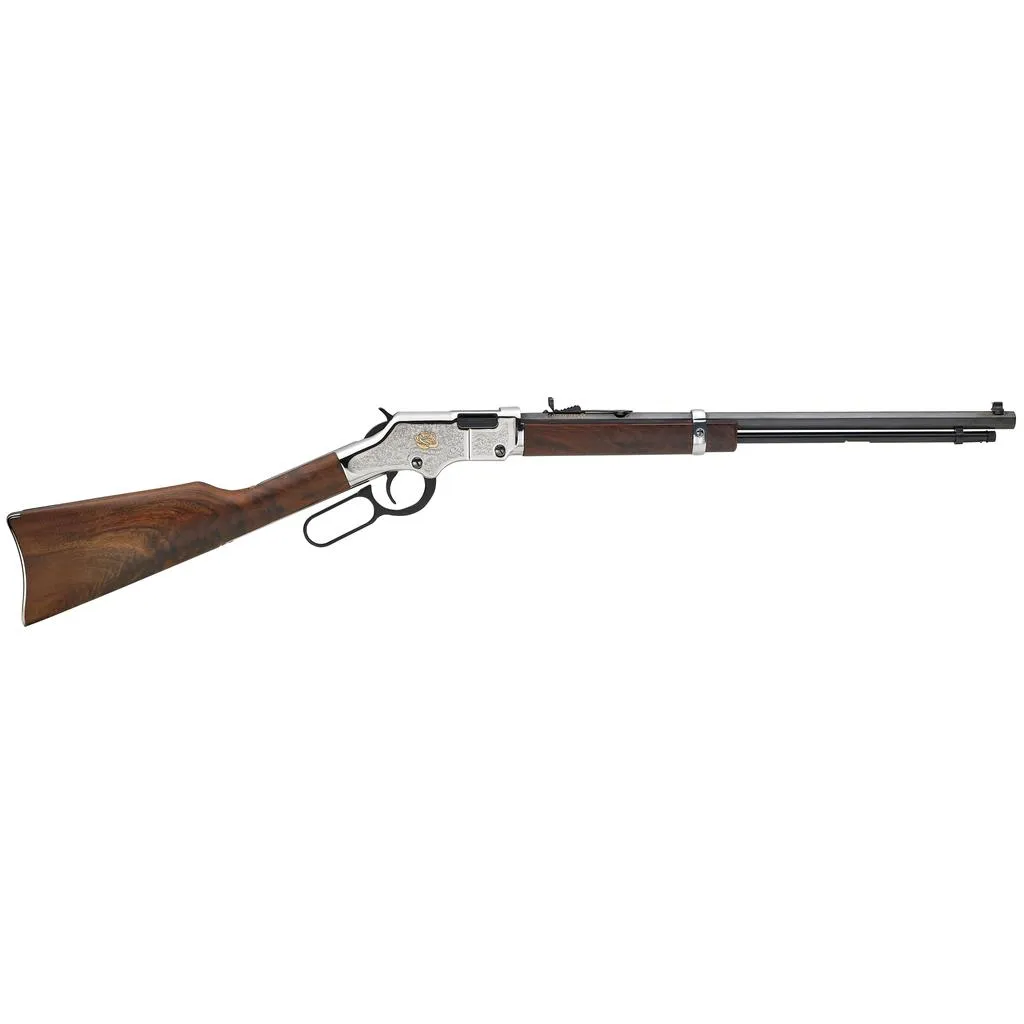

Firearm designs rarely remain unchanged for long. As manufacturing methods improve and shooter expectations evolve, rifle platforms often adapt to meet new demands while preserving the characteristics that made them popular in the first place.
Lever action rifles provide a strong example of this balance between tradition and progress. For many enthusiasts, Henry rifles represent a platform that has successfully embraced modern advancements without losing sight of its historical roots.
Over the years, changes in materials, manufacturing techniques, configurations, and user preferences have helped shape the development of these rifles while maintaining the classic appeal that continues attracting shooters today.
The Lever Action Legacy Remains the Foundation
The history of the lever action platform plays a significant role in understanding how these rifles have evolved. Lever action firearms became known for their distinctive operating system and practical handling characteristics. Their ability to offer relatively quick follow up shots compared to many earlier firearm designs helped establish their reputation among shooters.
While modern firearm technology has introduced countless new platforms, the lever action design continues to remain relevant because of its unique operation and historical significance. This strong foundation has allowed the platform to adapt over time without losing its identity.
Manufacturing Techniques Have Advanced Significantly
One of the biggest areas of evolution has been manufacturing technology. Earlier firearm production often relied heavily on manual processes and extensive hand fitting. Modern production methods now utilize advanced machining equipment, improved quality control systems, and more precise manufacturing standards.
These improvements help create greater consistency between rifles while maintaining the appearance and functionality that enthusiasts expect. Modern production techniques allow manufacturers to preserve traditional styling while improving reliability and overall build quality.
Material Improvements Support Durability
Materials used in firearm construction have also changed over time. Advances in metallurgy and manufacturing processes have allowed modern rifles to benefit from stronger, more consistent components. Improved finishing techniques help protect metal surfaces while enhancing appearance and longevity.
Wood furniture continues to remain popular among traditional firearm enthusiasts, but modern finishing methods help improve durability and resistance to environmental conditions. These material improvements allow rifles to maintain their classic appearance while benefiting from contemporary advancements.
Greater Variety Meets Modern Preferences
Today's firearm owners often have different needs than shooters did decades ago. Some prioritize hunting performance, while others focus on recreational shooting, collecting, or range use. As a result, manufacturers have expanded product offerings to accommodate a wider range of interests.
Modern lever action enthusiasts can often choose from multiple configurations, barrel lengths, and chamberings. This increased variety allows shooters to select rifles that align more closely with their intended applications while still enjoying the familiar characteristics of the platform.
Modern Shooters Expect Greater Versatility
Versatility has become increasingly important in the modern firearm market. Many owners prefer firearms that can serve multiple purposes rather than being limited to a single role. This shift in consumer expectations has encouraged manufacturers to broaden their offerings and create options suited for different activities.
Whether used for recreational shooting, hunting, collecting, or general outdoor use, modern rifle configurations are often designed to to a broader audience than earlier generations of firearms. This adaptability has helped maintain interest in traditional platforms.
Quality Control Has Continued to Improve
As manufacturing technology has advanced, quality control standards have also become more sophisticated. Modern firearm production benefits from detailed inspections, precision measurement tools, and improved testing procedures.
These improvements help ensure greater consistency across production runs. For shooters, this means receiving firearms that meet higher standards of fit, finish, and performance. Enhanced quality control contributes significantly to the positive reputation many modern lever action rifles enjoy today.
The Shooting Community Has Expanded
The firearm community itself has changed over the years. New generations of shooters often enter the market with different experiences, expectations, and interests than previous generations. Some are drawn to firearm history, while others simply enjoy recreational shooting or outdoor activities.
This broader audience has influenced how rifles are designed and marketed. Manufacturers increasingly seek to create products that appeal to both longtime enthusiasts and newcomers, helping preserve traditional platforms while introducing them to new users.
Technology and Tradition Continue to Coexist
One of the most interesting aspects of firearm evolution is the way modern technology can enhance traditional designs without replacing them. Precision machining, advanced production methods, and improved materials allow manufacturers to refine classic platforms while preserving their recognizable appearance and operation.
Rather than abandoning historical designs, many modern firearms demonstrate how innovation can support and strengthen tradition. This balance helps keep classic platforms relevant in an industry that constantly introduces new technologies.
Collectors and Enthusiasts Value Historical Connections
Despite ongoing innovation, many shooters remain deeply interested in firearm heritage. Historical significance, traditional styling, and classic operating systems continue to attract enthusiasts who appreciate the legacy of older firearm designs.
The continued popularity of lever action rifles shows that historical appeal remains an important part of the firearm market. Many owners value rifles that connect them to generations of shooters who enjoyed similar platforms in the past.
Why Their Evolution Matters
The story of Henry rifles reflects a broader trend within the firearm industry: successful platforms evolve without abandoning the qualities that made them popular. Through advancements in manufacturing, materials, quality control, and product variety, these rifles have adapted to changing shooter expectations while preserving the traditional characteristics associated with lever action firearms.
By combining modern production standards with timeless design principles, Henry rifles continue to demonstrate how a classic firearm platform can remain relevant across generations. Their evolution highlights the enduring appeal of craftsmanship, functionality, and heritage in a constantly changing shooting landscape.


























Sign in to leave a comment.