

Originally published on DistinctivePicks.com.
Of course, hibernating species are not limited to rodents. However, compared to animals like polar bears and black bears, whose body temperature drops only slightly during hibernation, and cold-blooded creatures like crocodiles and snakes, which are vastly different from humans, as well as bats that carry many viruses——although these animals also exhibit hibernation-like traits——their hibernation has not received as much attention from researchers as the hibernation of rodents. The value they provide to advancing human hibernation technology is also far less than hibernating rodents. But why is that?

The hibernation pods commonly seen in science fiction movies
This brings us to one of the most remarkable hibernators within the rodent family——the ground squirrel, particularly the Arctic ground squirrel. Over the past few decades, they have been one of the key subjects in human research on how to enter deep sleep, even achieve human-like hibernation as seen in science fiction movies, and how to awaken from hibernation.
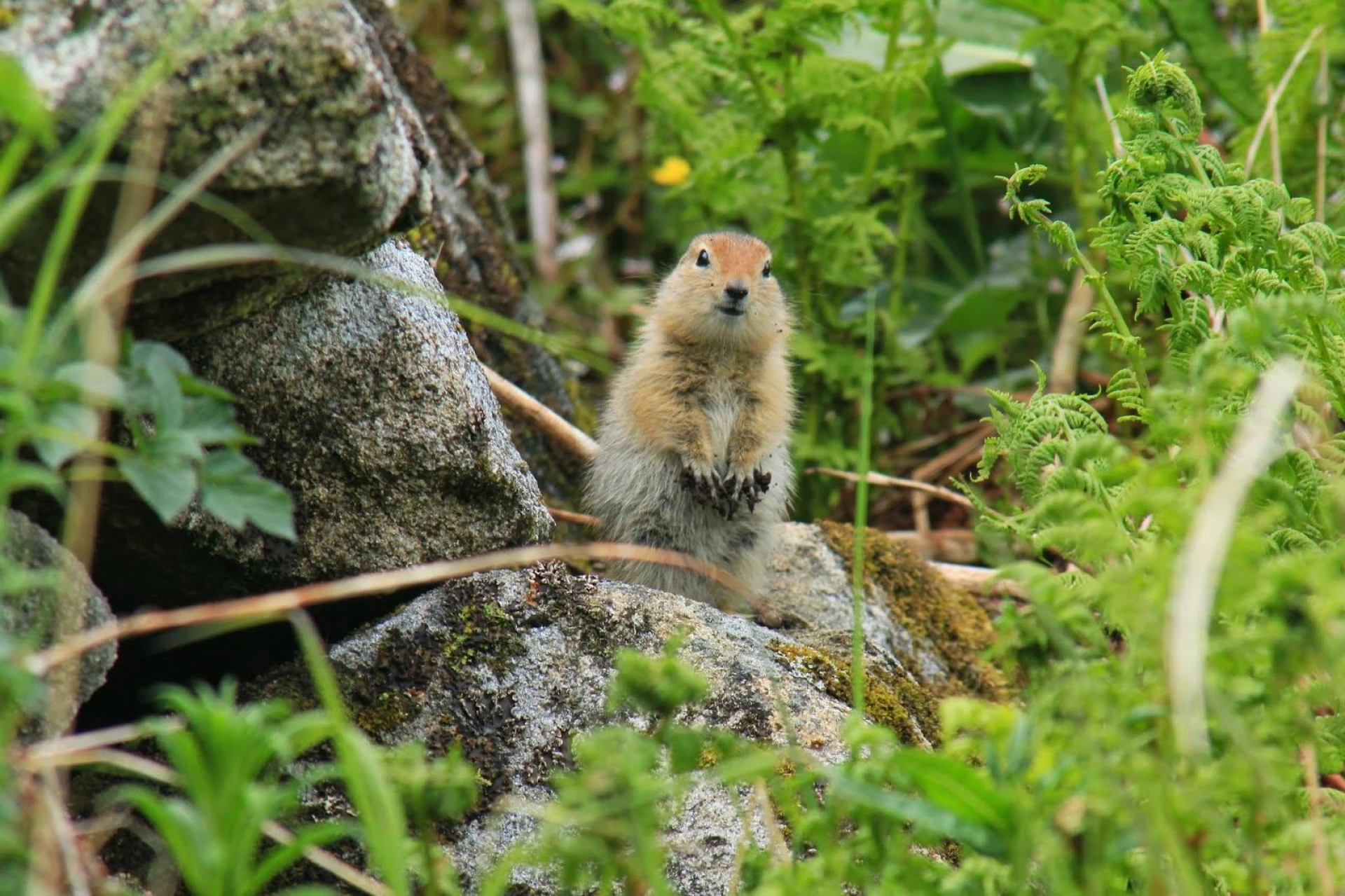
↑ The rare Arctic ground squirrel that doesn’t sleep
Now, let’s think about the typical features of hibernation: body temperature drops, metabolic rate slows down, and energy consumption decreases. In the case of the Arctic ground squirrel, their body temperature can plummet from 37°C to -3°C during hibernation[1]. Additionally, their metabolism can decrease to just 1%-3% of normal levels, and their heart rate drops to just one beat per minute.
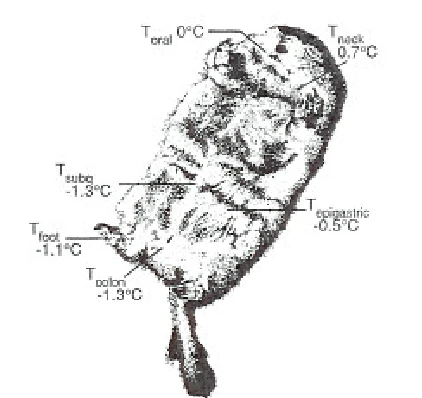
The cover article of Science magazine in 1989 displayed the temperature of different body parts of Arctic ground squirrels during hibernation
Furthermore, this doesn’t mean that they freeze to death after a single hibernation. Every year, these squirrels undergo a remarkable eight-month hibernation cycle, from early August to April the following year. During this period, they experience a rollercoaster-like fluctuation in body temperature, which helps them adapt to the freezing temperatures of northern Canada.
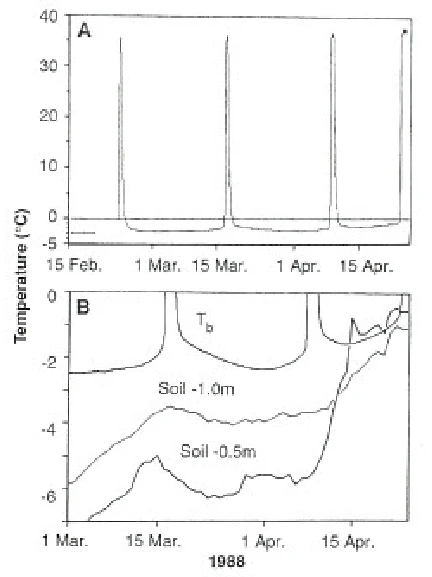
The body temperature fluctuation curve of Arctic ground squirrels
Remarkably, they can transition back from -3°C to 37°C in just one or two days, a process that seems almost straight out of a science fiction novel. But what’s truly fascinating is how these squirrels survive such low temperatures, endure eight months without eating or drinking, and why their highly energy-consuming and fragile brains don’t suffer damage due to temperature changes[2].
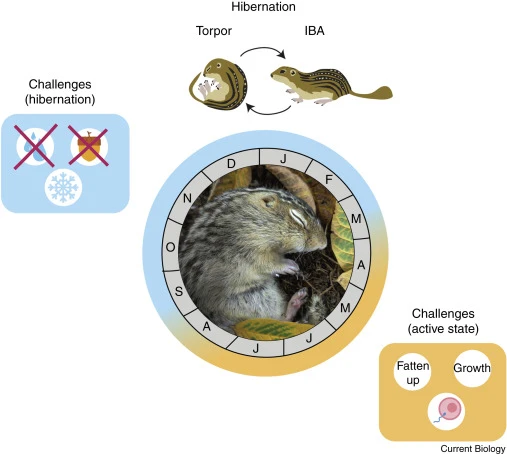
The challenges faced by Arctic ground squirrels during hibernation
How Do Their Body Survive Extreme Cold?
If you look closely at the image above, you’ll notice that the Arctic ground squirrels don’t stay in ultra-low temperatures throughout the entire eight months. Instead, they periodically warm up. If one of these squirrels fails to warm up successfully, it will die——this is one of the breakthroughs researchers are hoping to explore in hibernation studies.
When ground squirrels enter hibernation, all of their cells and organs undergo a process of “shutting down” or “pseudo-death” to conserve energy. On a microscopic level, they exhibit adaptive traits, such as a reduced sensitivity to cold in the TRPM8 receptors of the peripheral sensory system and the CNGA3 ion channels in the brain; the activity of voltage-gated sodium channels, which allow neurons to transmit signals, also decreases, as does their sensitivity to reactive oxygen species, all of which help prevent cell damage.
These physiological changes help the ground squirrels maintain semi-active cellular states while keeping their body temperature low, allowing them to survive for extended periods in cold environments and quickly restore cellular function upon waking from hibernation.
How Do They Survive Eight Months Without Eating and Drinking?
This is one of the intriguing aspects of hibernating animals that researchers are keen to understand. On one hand, how do they avoid dehydration? Dehydration usually significantly increases the ion concentration in bodily fluids, raises blood osmotic pressure, and can cause the expulsion of water from organs, ultimately leading to organ failure.
However, researchers have observed something quite different in ground squirrels: during hibernation, their blood osmotic pressure significantly decreases, helping them maintain water balance in their bodies. As for how this is achieved, there is currently no answer.
On the other hand, energy supply is another critical factor. Like other animals, Arctic ground squirrels build up energy reserves during the summer by consuming large amounts of food, enabling them to survive through the long hibernation period.
How Does Their Brain Survive the Cold?
The brain, as a crucial central nervous organ, is both vital and incredibly fragile. The ground squirrel seems to understand this well. Although its core body temperature is only between -2°C and -3°C, the temperature above the neck, especially the brain, remains relatively higher at 0.7°C.
Even so, at such low temperatures, neuronal cells would also typically die or become damaged. How is it that the ground squirrel can wake up and be as lively as ever, with its brain even becoming more active[3]?
Researchers have found that during hibernation, the neurons in the ground squirrel’s brain do indeed shrink, and various connections are noticeably damaged and severed. However, within just one day after waking from hibernation, the brain shows significant recovery, indicating the extraordinary plasticity of its brain and its strong regenerative ability[4].
During hibernation, the neurons in the ground squirrel’s brain resemble bare branches in the harsh winter (see image b below), while the brain cells of the ground squirrel, which has just emerged from hibernation, have dense and numerous connections (see image c below). In just two hours, the ground squirrel’s brain not only compensated for all the synapses lost during hibernation, but its brain cells now have more connections than those of the spring or summer periods (see image a below). Within just one day, its brain had already pruned these chaotic connections, much like the brain of developing mammals trimming away its dense neural forest.
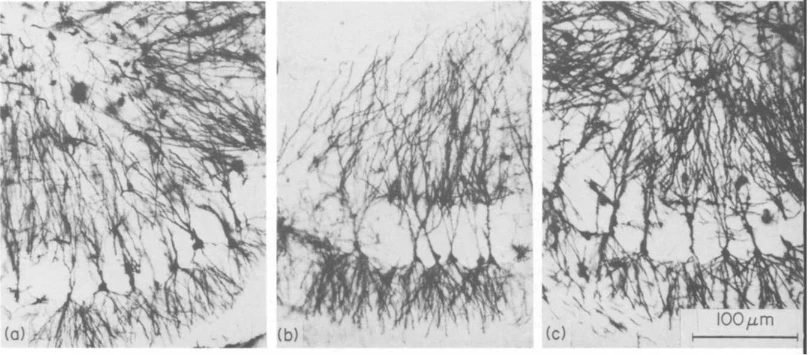
Changes in hippocampal neurons before (a), during (b), and after (c) hibernation
As for how this process occurs, current research has led to an unexpected insight——phosphorylated tau protein may play a crucial role in the changes in neuronal plasticity. Phosphorylated tau protein is more commonly studied in neuroscience for its potential role as one of the causes of Alzheimer’s disease. The accumulation of excessively phosphorylated tau proteins leads to the formation of neurofibrillary tangles, which is a hallmark of Alzheimer’s disease.
Researchers have found that in the brains of European ground squirrels during hibernation, the more synaptic connections are lost, the more the excessively phosphorylated tau proteins accumulate. However, when it wakes up from hibernation, it quickly removes these tau proteins to restore neuronal function. Therefore, it is currently speculated that the tau proteins in the brains of these ground squirrels may play a crucial role[5].
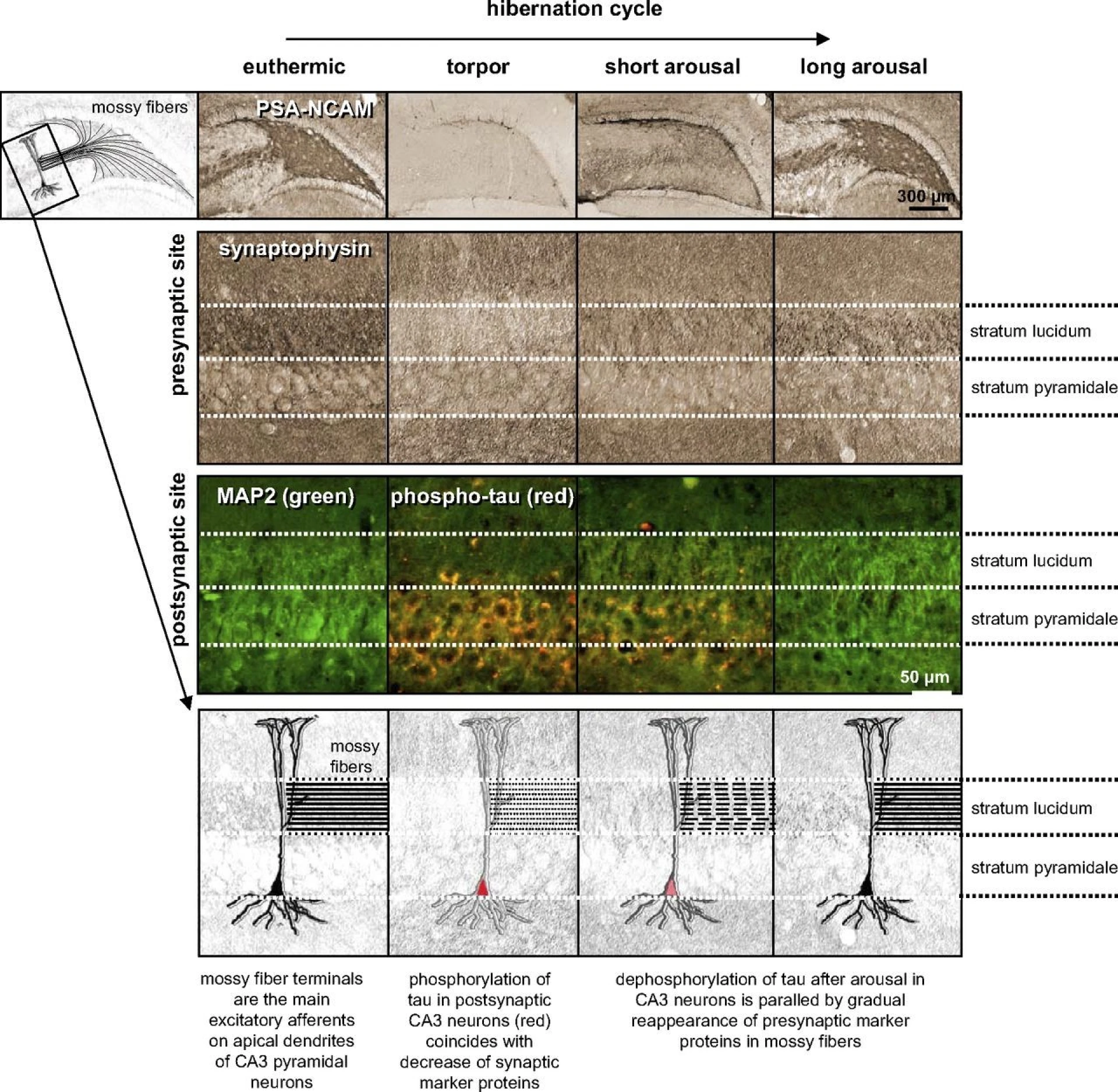
Significant changes in tau protein staining during hibernation
Moreover, it is clear that such research not only helps us understand the hibernation process, but also has the potential to provide valuable insights for the study of neurodegenerative diseases.
Other research on ground squirrels is also worth attention.
In addition to the hibernation mechanism, researchers have also discovered some clues that may be beneficial to medicine.
For instance, ground squirrels can protect their brain cells from damage caused by low oxygen and low blood flow during hibernation, which could provide valuable clues for treating stroke and heart disease patients.
Furthermore, ground squirrels prevent muscle atrophy and bone loss during prolonged periods of inactivity, which could offer useful information for rehabilitation research of bedridden patients.
There is also research exploring the transcriptional changes in the muscles of hibernating Arctic ground squirrels, which may help reduce muscle atrophy caused by inactivity[6].
Clearly, Arctic ground squirrels still hold many secrets waiting to be uncovered, and these secrets, to varying degrees, could be of great help in understanding life and rethinking our own existence.
Source: DistinctivePicks.com.









Sign in to leave a comment.