

A baby’s head changes rapidly during the first year of life. From the soft, flexible skull at birth to a more developed head shape by the first birthday, many changes happen as the brain grows and the baby becomes more mobile. Parents may notice that their baby’s head looks slightly uneven or flatter in certain areas. Understanding these changes can help parents recognize normal development and know when to seek professional guidance about conditions such as positional plagiocephaly.
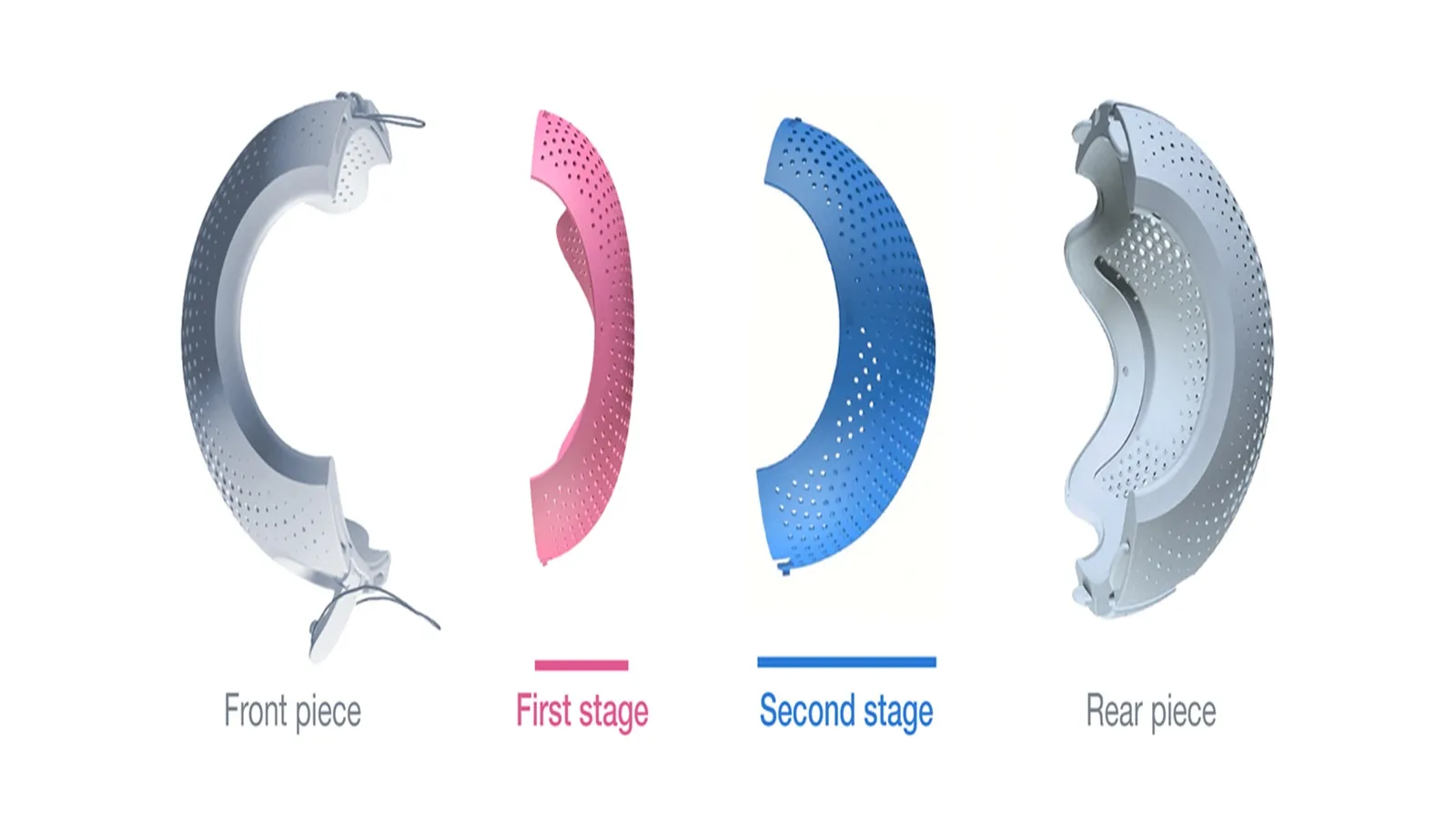
Why Is a Baby’s Skull Soft at Birth?
A newborn’s skull is designed to be flexible. Several bones make up the skull, and the spaces between them allow the head to adapt during birth while also providing room for the rapidly growing brain.
During the early months, these bones remain relatively soft. This softness and flexibility are important for healthy development, but it also means that consistent pressure on one part of the head may influence its shape. This is one reason parents may notice changes associated with positional plagiocephaly during infancy.
How Head Shape Changes During the First Three Months?
During the first three months, babies spend much of their time lying down. They have limited control over their head and neck movements, so they may remain in the same position for extended periods.
Parents may notice mild flattening toward the back or one side of the head. Not every change indicates a medical concern, but noticeable or persistent asymmetry deserves attention.
Common Things Parents May Notice
- A flatter area on the back of the head.
- One side of the head appearing more prominent.
- A preference for turning the head in one direction.
- Slight differences in the position of the ears.
- Changes in head shape that become more noticeable over time.
Regular observation is useful because head shape often changes as babies gain better control of their neck and begin moving more independently.
Months Four to Six: More Movement, More Changes
Between four and six months, babies usually become more active. They begin gaining stronger neck muscles, rolling over, reaching for objects, and spending more time changing positions.
This increased movement may reduce constant pressure on one area of the skull. However, if significant flattening remains, parents may want to discuss it with a qualified specialist.
At this stage, an evaluation may help determine whether the head shape reflects normal variation or a condition such as positional plagiocephaly. A professional assessment also provides parents with a clearer understanding of whether observation, repositioning strategies, or further treatment may be appropriate.
Months Seven to Nine: Increased Mobility Supports Development
By seven to nine months, many babies are sitting independently, rolling frequently, crawling, or exploring their surroundings. They spend less time resting in one position, which naturally changes the amount of pressure placed on different areas of the skull.
As mobility increases, some mild head shape differences may become less noticeable. However, every baby develops at a different pace.
Parents should continue observing their baby’s head shape. If asymmetry remains noticeable, professional guidance can help identify the next appropriate step.
Months Ten to Twelve: A More Developed Head Shape
Toward the end of the first year, babies generally have much better head and neck control. They spend more time sitting, crawling, standing, and exploring, so prolonged pressure on one area becomes less common.
Head growth also continues, although the pace decreases from the rapid growth seen during the earliest months. Persistent asymmetry may still be visible, making this an important period for parents to discuss concerns with a specialist if they have not already done so.
What Is Positional Plagiocephaly?
Positional plagiocephaly refers to flattening on one side of an infant’s head, often associated with repeated pressure on the same area. It is different from brachycephaly, which generally involves a flatter appearance across the back of the head.
Several factors may contribute to positional head flattening, including limited head movement, a consistent resting position, and other developmental factors. Because each baby is different, parents should rely on professional evaluation rather than trying to determine the cause based solely on appearance.
Conclusion
A baby’s head shape changes considerably throughout the first year as the skull grows, the brain develops, and mobility increases. Mild differences may change naturally as babies gain better head control and spend less time in one position. However, persistent or noticeable asymmetry deserves professional attention.
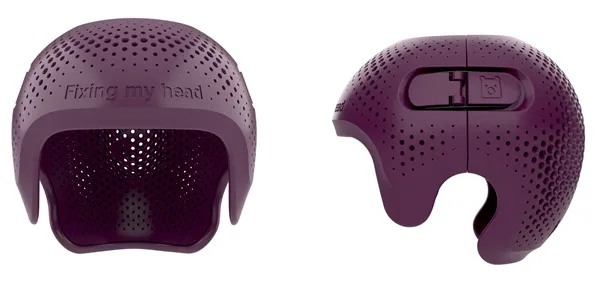
Understanding positional plagiocephaly, recognizing changes over time, and learning about options such as a baby helmet for flat head treatment can help parents make informed decisions. When concerns arise, an evaluation with an experienced specialist provides personalized guidance based on the baby’s individual development.























Sign in to leave a comment.