In Bastrop, TX, the intense summer heat and surprisingly chilly winter days put a huge strain on a home's ability to stay comfortable. When one room is an icebox while another is sweltering, the problem usually isn't the air conditioner but the house itself. Most temperature imbalances are caused by poor insulation and air leakage, which allow outside air in and conditioned air out. A strategic upgrade with professional insulation in Bastrop, TX creates a consistent thermal boundary, allowing the HVAC system to work efficiently and maintain an even, comfortable temperature throughout the entire house.
The Real Cause of Unbalanced Temperatures
In most Bastrop homes, uneven temperatures are a symptom of a leaky and poorly insulated building envelope. The two main culprits are air leakage and inadequate resistance to heat transfer, which work together to undermine an HVAC system's performance.
In the summer, the sun beats down on the roof, turning the attic into an oven that can reach 150°F or more. This intense radiant heat pushes through thin, old insulation and heats the ceilings of the rooms below, making the entire second floor feel hot and stuffy. At the same time, hot air from the outside leaks into the house through countless gaps around windows, doors, and wall penetrations, while cool, conditioned air leaks out. This forces the AC to run constantly just to keep up, and the rooms closest to the biggest leaks or the hottest parts of the attic will always be the most uncomfortable.
In the winter, the dynamic reverses. Warm air, which naturally rises, leaks out through the same gaps in the attic. This phenomenon, known as the "stack effect," pulls cold air into the lower levels of the house through the crawl space or foundation, making the first floor feel drafty and cold.
How an Insulation Upgrade Restores Balance
A comprehensive insulation upgrade attacks both parts of the problem: it slows heat transfer and stops air leakage. This creates a stable environment where the HVAC system can finally do its job effectively.
- Slowing Heat Transfer: This is the function of R-value. A higher R-value means more resistance to heat flow. By increasing the amount of insulation in the attic and walls, you drastically slow the rate at which summer heat gets into your home and winter heat gets out.
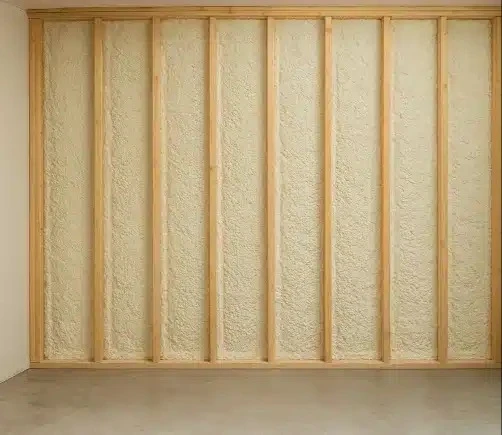
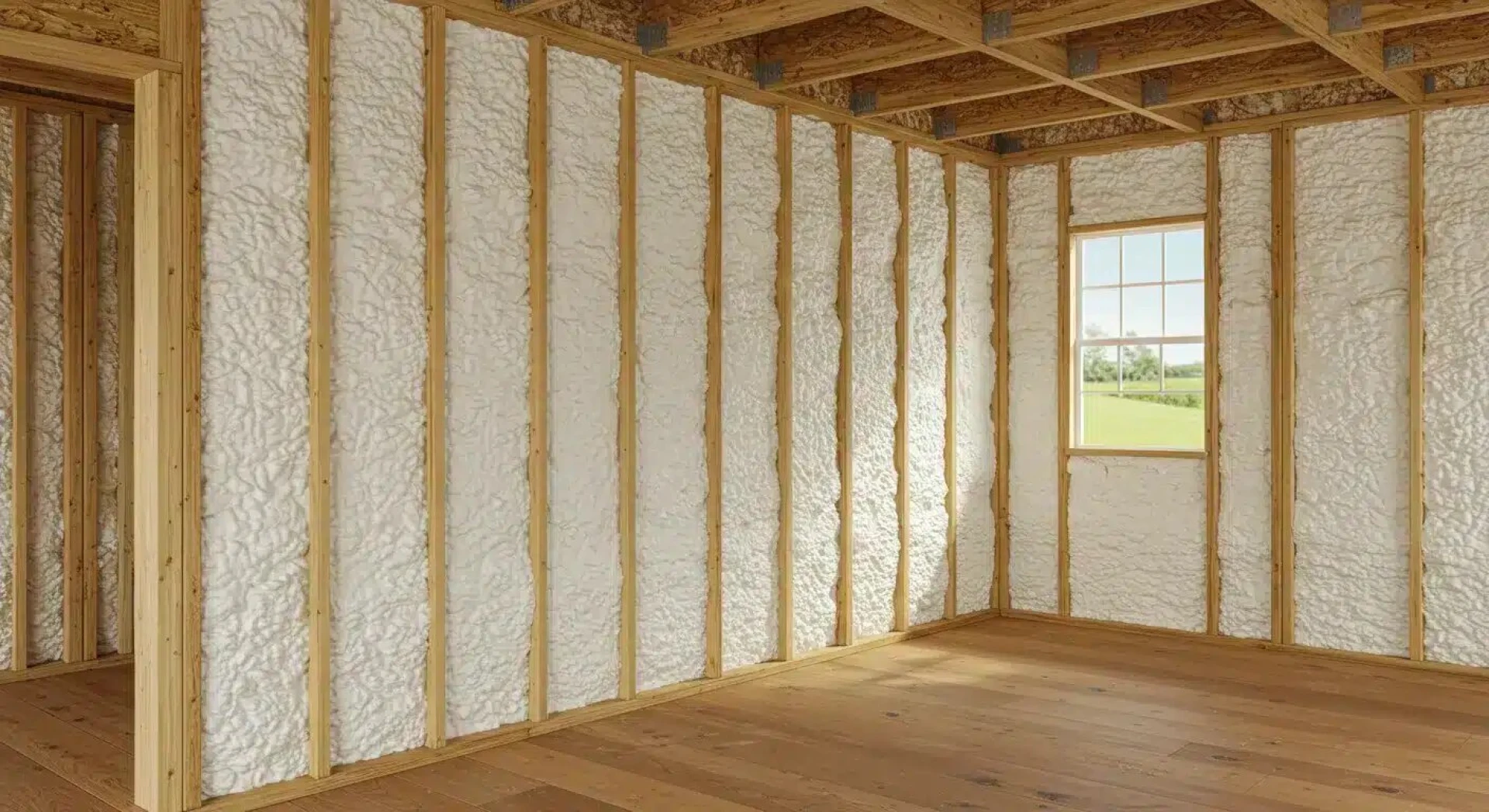
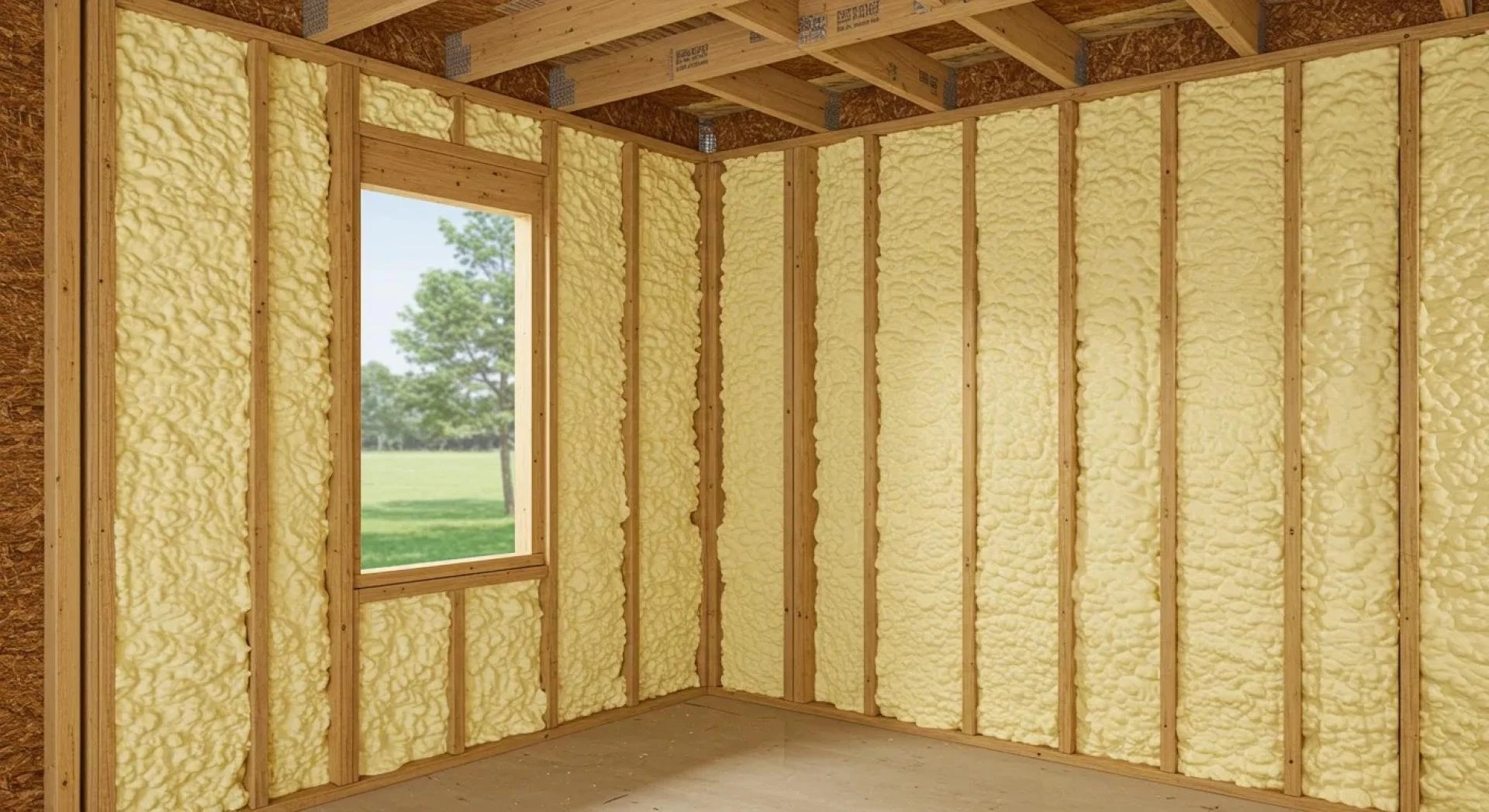
- Stopping Air Leakage: This is the most important step for balancing temperatures. Using materials like spray foam insulation, which expands to fill every crack and crevice, creates an airtight seal. This stops drafts and prevents the exchange of air between the inside and the outside.
When the house is properly sealed and insulated, the conditioned air stays inside. The HVAC system no longer has to fight a constant battle against incoming heat or outgoing warmth. It can now distribute air more effectively, the thermostat's reading becomes a true reflection of the whole house's temperature, and the system can cycle on and off as intended, rather than running nonstop.
A Comparison of Common Insulation Materials
Different insulation materials have different strengths when it comes to balancing home temperatures. Their effectiveness largely depends on their ability to both insulate and air seal.
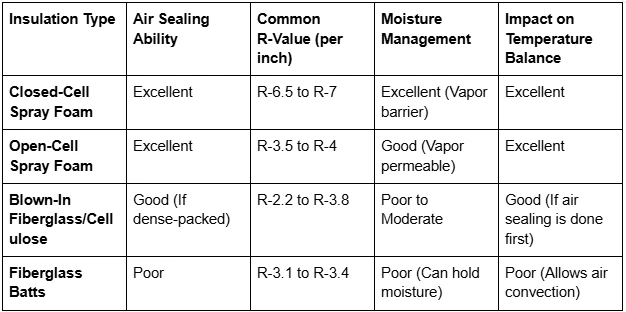
This shows that spray foam's ability to provide a complete air seal in a single step makes it one of the most effective solutions for solving temperature imbalance issues permanently.
Things to Consider Before Your Bastrop Insulation Project
To get the best results from an insulation upgrade, homeowners in the Bastrop area should consider a few key factors that are specific to the Central Texas climate.
- Focus on the Attic First: For this region, the attic is ground zero for heat gain. The most effective strategy is often to apply spray foam insulation directly to the underside of the roof deck. This creates an "unvented" or "conditioned" attic, stopping heat at the roofline and preventing the attic from ever becoming an oven.
- Check Your HVAC System's Size: After a major insulation and air sealing upgrade, your home's heating and cooling load will be much lower. An HVAC system that was correctly sized for a leaky house will now be oversized for your newly efficient house. An oversized air conditioner will cool the house too quickly and shut off before it has had a chance to remove humidity, leaving the air feeling cool but clammy. It's a good idea to have an HVAC professional perform a load calculation after the insulation work is done.
- The Importance of Ventilation: An airtight home is an efficient home, but it needs fresh air. A balanced ventilation system, like an Energy Recovery Ventilator (ERV), is often recommended. An ERV exhausts stale, humid air while bringing in fresh air, and it uses the outgoing air to pre-cool and dehumidify the incoming air, saving energy.
- Inspect Your Ductwork: Before upgrading attic insulation, have your ducts inspected. Leaky air ducts in a hot attic can lose up to 30% of their conditioned air, contributing to unbalanced temperatures and high energy bills. Sealing them is a simple fix while the attic is accessible for other work.
- Seal the Rim Joist: In homes with a pier and beam foundation, don't forget the rim joist. This area where the floor frame rests on the foundation is a massive source of air leakage. Sealing it is a quick and highly effective way to improve first-floor comfort.
- Hire an Experienced Professional: The performance of an insulation upgrade, especially with a technical product like spray foam, is 100% dependent on the quality of the installation. Look for a contractor who understands local building science and can show you examples of their work.
Questions People Ask About Temperature Balance
Why is my upstairs so much hotter than my downstairs?
This is almost always due to a hot, under-insulated attic. The sun's radiant heat cooks the attic, and that heat radiates through the ceiling into your upstairs rooms, overwhelming your AC system. Air sealing and insulating the attic is the solution.
I have a lot of insulation in my attic, but it's still hot. Why?
You may have a high R-value, but if you haven't air-sealed, it's like wearing a wool coat with no zipper. Air, and the heat it carries, is simply moving around and through your insulation. Air sealing the attic floor before adding more insulation is key.
Will closing the vents in rooms I don't use help?
No, this is a common myth that can actually harm your HVAC system. Closing vents increases the static pressure in your ductwork, which can lead to duct leaks, reduced airflow, and even damage to the system's compressor.
Is it better to put insulation in the walls or the attic?
For the Bastrop climate, the attic is almost always the first and most important place to upgrade. Because heat rises and the roof gets the most direct sun, it's the biggest source of both heat gain in the summer and heat loss in the winter.
How quickly will I feel a difference?
The improvement in comfort and temperature balance after a professional insulation and air sealing upgrade is typically immediate. Most homeowners notice a dramatic change the very first day.
A Lasting Solution for Whole-Home Comfort
Struggling with hot and cold spots is a frustrating and inefficient way to live. These temperature imbalances are a clear sign that a home's thermal envelope has been breached. By upgrading the insulation and, most importantly, creating a complete air seal, homeowners in Bastrop can solve the root cause of the problem. The result is a home that is not only more comfortable in every room but also healthier and significantly less expensive to heat and cool.
Getting a Professional Analysis of Your Home
The first step to solving an unbalanced temperature problem is to understand exactly where your home is losing and gaining heat. A professional home performance contractor can use diagnostic tools like blower doors and infrared cameras to pinpoint the exact sources of air leakage and insulation deficiencies. For homeowners in the Bastrop area looking for a comprehensive evaluation, the experts at Stellrr can provide a detailed assessment and a clear plan of action. They can be reached by phone at (512) 710-2839 or by email at [email protected] to schedule a consultation.
Reviewer: Sophia White has 8 years of experience in spray foam insulation. She reviewed this post and gave clear guidance on aligning business messaging with what customers actually care about.
Sign in to leave a comment.