Introduction
Islamic education serves as a profound framework for personal development, spiritual growth, and mental well-being. Rooted in the principles of the Quran and Sunnah, it offers guidance and practices that promote emotional resilience, inner peace, and a strong sense of purpose. Understanding how Islamic teachings contribute to mental health is essential in fostering a balanced and fulfilling life.
The Spiritual Foundation of Mental Wellbeing in Islam
Islam emphasizes the importance of maintaining a harmonious relationship with oneself, others, and Allah. This connection provides a sense of purpose and belonging, which are critical for mental stability. The Quran states:
"Indeed, in the remembrance of Allah do hearts find rest." (Surah Ar-Ra’d 13:28)
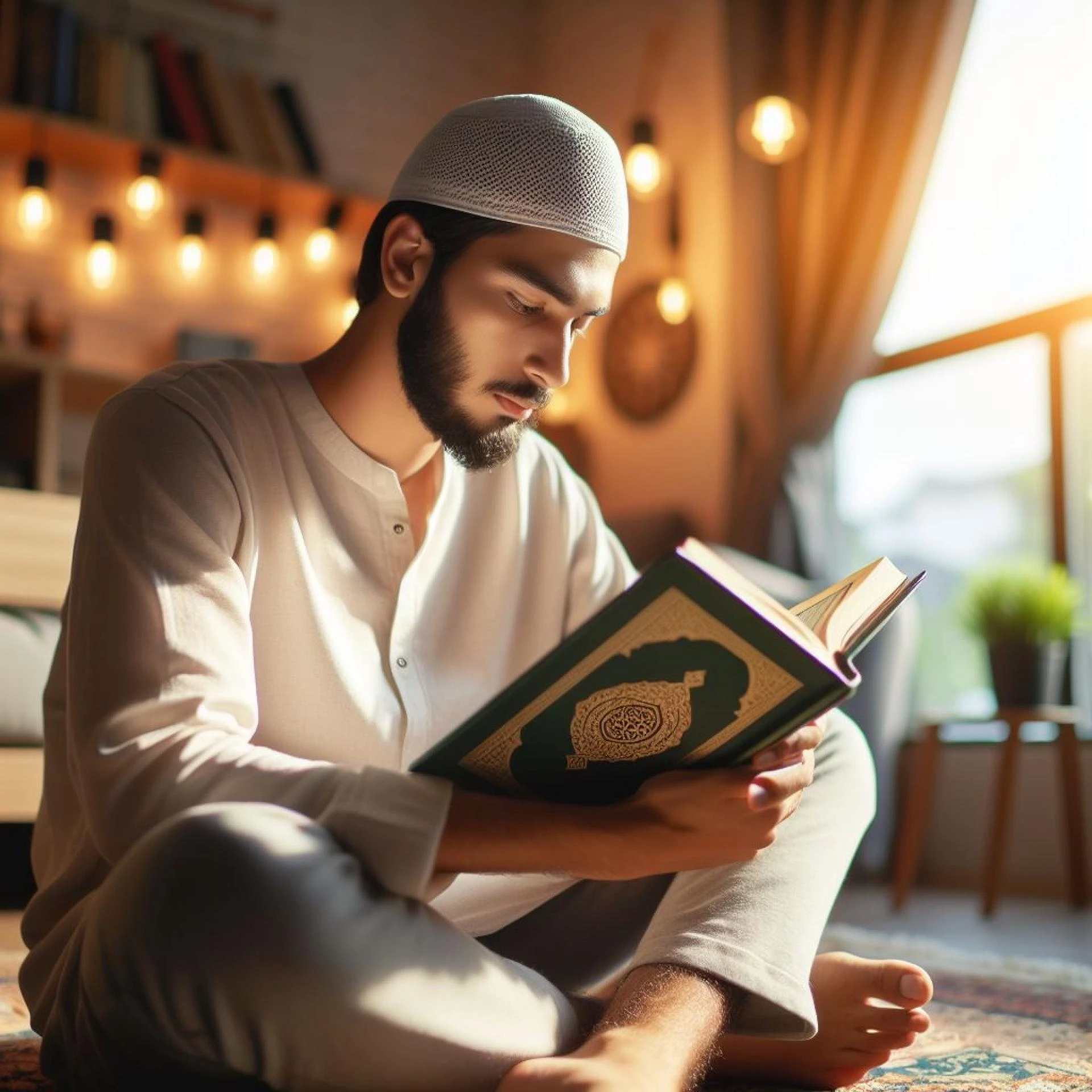
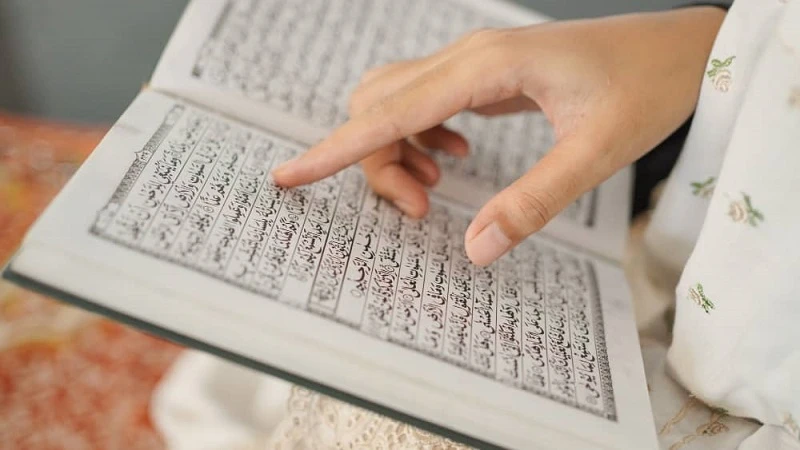
By engaging in regular acts of worship such as prayer (Salah) and recitation of the Quran, individuals cultivate mindfulness and reduce stress. The consistent practice of these rituals strengthens emotional resilience and offers solace during challenging times.
Role of Gratitude and Patience in Mental Health
Gratitude (Shukr) and patience (Sabr) are core tenets of Islamic education. They encourage believers to focus on the positive aspects of life while developing the fortitude to endure difficulties.
- Gratitude (Shukr): Practicing gratitude by acknowledging Allah’s blessings promotes optimism and reduces feelings of envy or dissatisfaction. The Quran reminds us:
- “If you are grateful, I will surely increase you [in favor].” (Surah Ibrahim 14:7)
- Patience (Sabr): Challenges and adversities are viewed as tests from Allah, fostering a growth mindset and emotional endurance. The Prophet Muhammad (peace be upon him) said:
- “How wonderful is the affair of the believer, for his affairs are all good... If something good happens to him, he is grateful... and if something harmful happens to him, he is patient.” (Sahih Muslim)
The Role of Community and Social Support
Islamic education underscores the importance of community and social ties. A strong support system fosters emotional well-being and prevents isolation, which is a common contributor to mental health struggles.
- Congregational Prayers (Salah in Jama’ah): Praying in a group strengthens bonds among individuals and creates a sense of solidarity.
- Charity (Zakat and Sadaqah): Giving to those in need cultivates empathy and reduces feelings of self-centeredness.
- Gatherings of Knowledge: Participating in Islamic study circles fosters personal growth and emotional healing through shared learning and mutual support.
Islamic Mindfulness: Dhikr and Meditation
Islamic teachings promote mindfulness through Dhikr (remembrance of Allah) and introspection. These practices enhance focus and reduce anxiety, offering practical tools for maintaining mental equilibrium.
- Dhikr: Regular recitation of phrases like “SubhanAllah,” “Alhamdulillah,” and “Allahu Akbar” instills a sense of calm and gratitude.
- Tafakkur (Contemplation): Reflecting on Allah’s creation encourages self-awareness and a deeper connection with the divine, which is essential for emotional stability.
The Quran as a Source of Healing
The Quran is often referred to as a healing source for both the soul and body. It provides comfort and guidance, helping individuals navigate the complexities of life.
- Verses for Healing: Surah Al-Fatihah and Surah Al-Ikhlas are commonly recited for peace and protection.
- Therapeutic Recitation: Listening to or reciting the Quran has been shown to lower stress levels and improve emotional well-being.
The Quran states:
"We send down in the Quran that which is a healing and a mercy for the believers..." (Surah Al-Isra 17:82)
Watford Islamic Centre: A Hub for Community Wellbeing
The Watford Islamic Centre plays a pivotal role in supporting mental well-being through Islamic education and community services. Located in the heart of Watford, it serves as a beacon for Muslims seeking spiritual growth and social connection.
- Educational Programs: The centre offers Quranic classes, Islamic studies, and workshops on mental health, fostering a deeper understanding of Islamic teachings and their application to everyday life.
- Counseling Services: Recognizing the importance of mental health, the centre provides faith-based counseling to help individuals navigate personal and emotional challenges.
- Community Events: Through events like group prayers, charity drives, and interfaith dialogues, the Watford Islamic Centre strengthens bonds and creates a supportive environment for all.
By combining traditional Islamic education with modern approaches to mental health, the Watford Islamic Centre exemplifies how faith-based institutions can enhance emotional resilience and spiritual well-being.
Islamic Practices for Stress Management
Islamic teachings offer practical strategies to manage stress and anxiety:
- Salah (Prayer): Performing five daily prayers serves as a moment of pause and reflection, reducing stress and promoting a sense of routine.
- Fasting (Sawm): Observing fasts during Ramadan fosters self-discipline and gratitude, which contribute to mental well-being.
- Supplication (Dua): Turning to Allah through personal prayers helps individuals release their worries and seek divine assistance.
Fulfilling the Needs of the Soul
Mental well-being in Islam extends beyond the physical and emotional aspects to include the nourishment of the soul. This holistic approach ensures that individuals lead balanced lives aligned with their spiritual purpose.
- Seeking Knowledge: Islamic education encourages lifelong learning, which enhances intellectual stimulation and prevents feelings of stagnation.
- Acts of Worship: Engaging in voluntary acts of worship, such as Tahajjud (night prayers), deepens the connection with Allah and instills peace.
- Avoiding Harmful Habits: Islam prohibits activities like substance abuse, which are detrimental to mental and physical health.
Conclusion
Islamic education is a comprehensive system that supports mental well-being through spiritual practices, social connections, and personal growth. Institutions like the Watford Islamic Centre play a crucial role in integrating these teachings into modern life, offering a sanctuary for learning and healing. By fostering gratitude, patience, and mindfulness, Islamic teachings provide practical tools for navigating life’s challenges with faith and resilience.








Sign in to leave a comment.