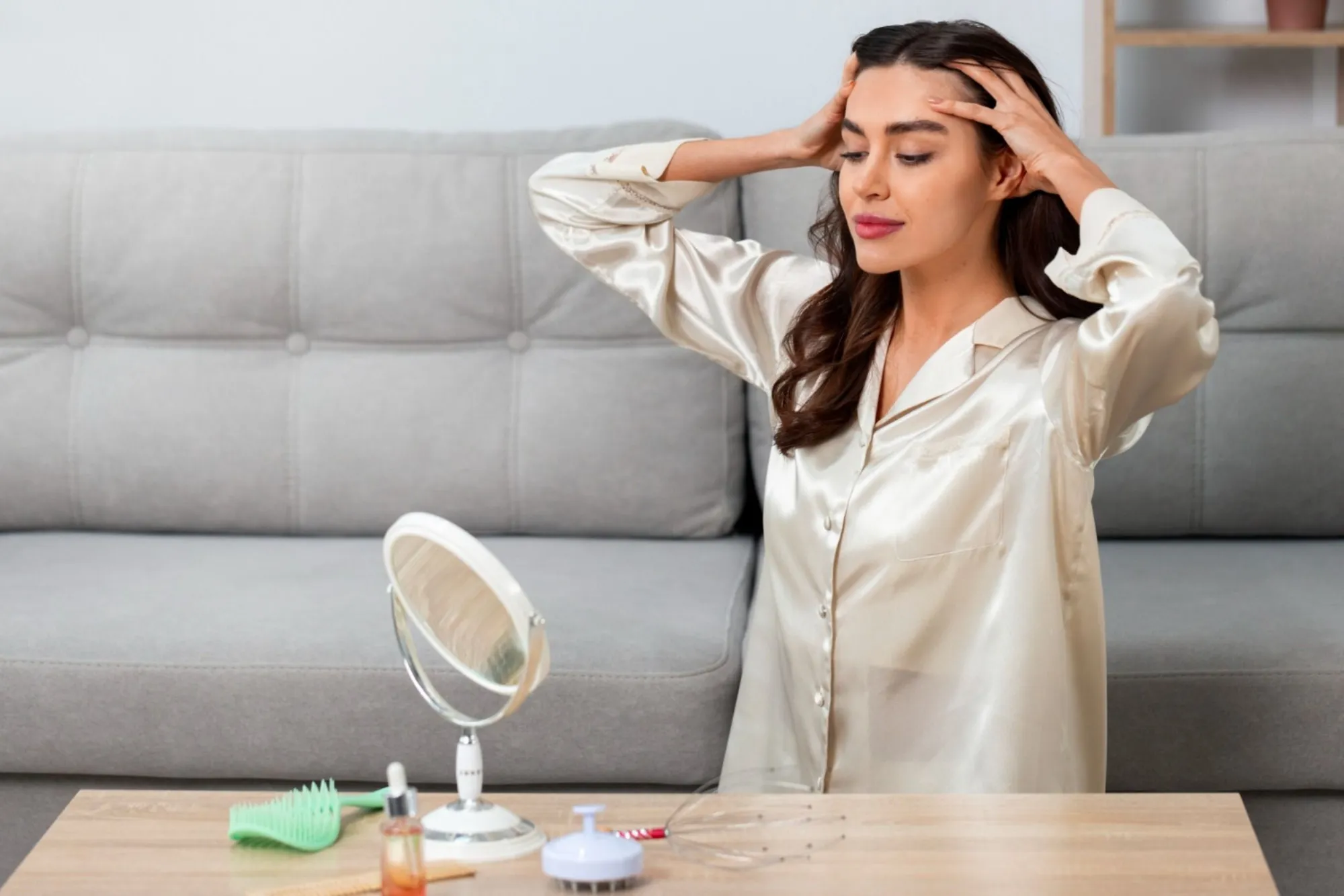

Healthy, strong, and shiny hair is not just the result of external care; your daily lifestyle habits deeply influence it. While many people focus only on treatments and styling, long-term hair health depends on what you eat, how you live, and how well you care for your body. Over time, small habits can either strengthen your hair or lead to issues like hair fall, dryness, and dullness. Understanding these factors can help you make better choices for healthier hair.
The Connection Between Lifestyle and Hair Health
Your hair reflects your overall health. Poor lifestyle choices can weaken hair roots, disrupt growth cycles, and reduce natural shine. On the other hand, a balanced lifestyle supports proper nourishment and improves scalp condition. Along with maintaining a routine, using the right hair care products can enhance results and protect your hair from daily damage.
Diet and Nutrition: The Foundation of Healthy Hair
What you eat plays a major role in your hair’s strength and growth.
Importance of Nutrients
Hair needs essential nutrients like protein, vitamins, and minerals to grow properly. A lack of nutrients can lead to weak strands and increased hair fall.
Hydration Matters
Drinking enough water keeps your scalp hydrated and prevents dryness. Dehydration can make your hair brittle and prone to breakage.
Balanced Diet for Better Hair
Including fruits, vegetables, nuts, and protein-rich foods in your diet helps maintain healthy hair over time. A well-balanced diet supports both scalp health and hair texture.
Impact of Stress and Sleep on Hair
Your mental and physical well-being also affects your hair.
Stress and Hair Fall
High stress levels can disrupt the natural hair growth cycle, leading to excessive hair fall. Managing stress through relaxation techniques can help maintain healthier hair.
Importance of Quality Sleep
Sleep is when your body repairs itself, including hair cells. Poor sleep patterns can weaken hair roots and slow down growth. Ensuring proper rest helps improve overall hair health.
Daily Habits That Influence Hair Condition
Your everyday habits can either protect or damage your hair.
Use of Heat Styling Tools
Frequent use of straighteners, curlers, and dryers can damage hair over time. Excessive heat removes moisture and weakens hair structure.
Hair Washing Routine
Over-washing or under-washing can both harm your hair. Maintaining a balanced washing routine keeps your scalp clean without stripping natural oils.
Choice of Hair Care Routine
Using suitable products and following a proper routine helps protect your hair from environmental damage. Consistency is key to maintaining long-term hair health.
Environmental Factors and Their Effects
External factors also play a role in hair damage.
Pollution and Dust
Exposure to pollution can weaken hair roots and make your scalp dirty. Regular cleansing helps remove buildup and maintain scalp hygiene.
Sun Exposure
Excessive sun exposure can make hair dry and brittle. Protecting your hair from harsh sunlight is important to retain its natural moisture.
Simple Tips to Improve Hair Health
Making small changes in your lifestyle can lead to noticeable improvements:
- Maintain a balanced and nutritious diet
- Stay hydrated throughout the day
- Reduce stress with relaxation techniques
- Avoid excessive heat styling
- Follow a consistent hair care routine
- Get enough sleep for proper recovery
Conclusion: Healthy Habits Lead to Healthy Hair
Your lifestyle habits have a long-term impact on your hair health. While external care is important, internal factors such as diet, stress, sleep, and daily routines play a bigger role in maintaining strong, healthy hair. By making mindful changes and staying consistent, you can improve your hair’s strength, shine, and overall condition over time. Healthy habits today will ensure healthier hair in the future.

























Sign in to leave a comment.