

Tyres are one of the most important parts of any vehicle. They support the weight of your car, provide grip on the road, and help you drive safely in different weather conditions. Many drivers focus on engine maintenance but forget that tyres also need regular attention. A worn-out tyre can reduce braking performance, affect fuel efficiency, and increase the risk of accidents.
Many people ask the same question: How long can a tyre last? The answer depends on several factors, including driving habits, road conditions, tyre quality, and maintenance. Some tyres can last for many years, while others wear out much sooner.
This guide explains the average lifespan of tyres, the signs that show they need replacement, and practical tips to help them last longer.
What Is the Average Lifespan of a Tyre?
Most tyres last between 40,000 and 80,000 kilometres. For many drivers, this equals about three to six years of regular use. Premium tyre brands often last longer because they use better materials and advanced tread designs.
Even tyres with plenty of tread should not be used forever. Rubber naturally ages over time. Heat, sunlight, moisture, and changing weather conditions slowly weaken the rubber, making older tyres less safe.
Many tyre manufacturers recommend checking tyres carefully after five years and replacing them around ten years after the manufacturing date, regardless of how much tread remains.
Factors That Affect Tyre Lifespan
Many different factors determine how long a tyre will last.
Driving Habits
The way you drive greatly affects tyre wear. Hard braking, rapid acceleration, and sharp corners at high speed wear tyres much faster than smooth driving. Gentle driving helps the tread wear evenly and reduces unnecessary stress on the tyre.
Road Conditions
Road quality also plays an important role. Smooth highways create less wear than rough roads filled with potholes, gravel, or broken pavement. Frequent driving on damaged roads can shorten tyre life and even damage the sidewall.
Climate
Hot weather increases tyre temperatures, which speeds up rubber wear. Constant exposure to strong sunlight also causes the rubber to age faster. Heavy rain and changing temperatures also affect tyre performance over time.
Tyre Quality
Not all tyres are built the same. High-quality tyres generally last longer because they use stronger rubber compounds and better construction methods. Budget tyres may cost less initially but often wear out sooner.
Vehicle Weight
Heavier vehicles place more pressure on tyres. SUVs, pickup trucks, and vehicles carrying heavy loads usually wear tyres faster than smaller passenger cars.
How to Check Tyre Tread Depth
Tread depth is one of the easiest ways to judge tyre condition.
The legal minimum tread depth varies between countries, but many safety experts recommend replacing tyres before they reach the minimum limit. A simple tread depth gauge provides the most accurate measurement. Many tyres also include tread wear indicators inside the grooves. Once the tread reaches these indicators, replace them.
Signs Your Tyres Need Replacing
Tyres do not wear out overnight. They usually show clear warning signs before they become unsafe to drive on. Paying attention to these signs can help you replace your tyres at the right time and avoid costly repairs or dangerous situations on the road.
Uneven Tread Wear
Take a close look at the tread across your tyres. The tread should wear down evenly from one side to the other. One edge wearing faster than the other often means your vehicle has a wheel alignment or suspension problem. Uneven tread reduces grip, affects steering, and shortens tyre life. Having the alignment checked can prevent further damage.
Cracks in the Rubber
As tyres get older, small cracks may appear on the sidewalls or between the tread blocks. These cracks usually come from age, heat, and long-term sun exposure. Cracked rubber becomes weaker over time, making the tyre more likely to fail. Don't ignore even small cracks, especially on older tyres.
Bulges or Blisters
A bulge or blister on the sidewall is a serious warning sign. It usually happens when the tyre's internal structure has been damaged after hitting a pothole, curb, or other road hazard. A weakened sidewall can burst without warning while driving. Replacing the tyre as soon as possible is the safest option.
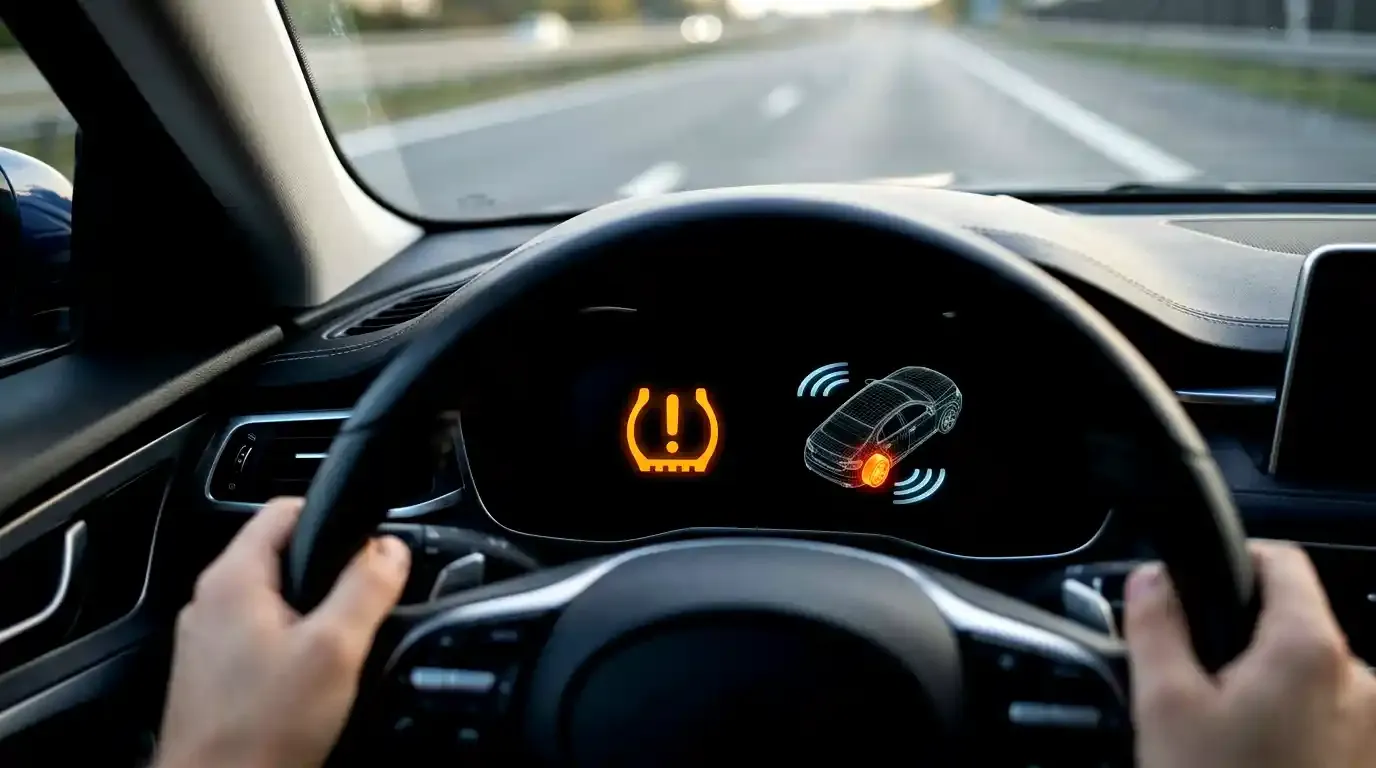
Frequent Air Pressure Loss
Tyres naturally lose a small amount of air over time. Regularly adding air every few days, however, could indicate a puncture, a damaged valve, or a leak around the wheel rim. Driving with low tyre pressure increases wear, reduces fuel efficiency, and affects braking performance. A professional inspection can identify the problem and determine whether the tyre can be repaired or needs replacement.
Excessive Vibration While Driving
Some vibration is normal on rough roads, but you should never ignore constant or unusual vibration while driving. Uneven tyre wear, poor wheel balancing, internal tyre damage, or suspension issues can cause it. Having your tyres and wheels inspected promptly improves driving comfort and prevents further damage to your vehicle.
Why Tyre Maintenance Matters
Looking after your tyres does more than help them last longer. It also improves road safety, makes your car easier to control, and can even reduce fuel costs. Simple maintenance checks take only a few minutes but can save you from expensive repairs and unexpected tyre replacements.
Maintain the Correct Tyre Pressure
Keeping your tyres at the recommended pressure is one of the easiest ways to extend their lifespan. Low tyre pressure creates more resistance on the road, making the engine work harder and increasing fuel consumption. It also generates extra heat, which can speed up tread wear. Overinflated tyres can wear faster in the centre because less of the tread stays in proper contact with the road. Singapore drivers can learn more about maintaining the right pressure in this tyre pressure guide, which covers practical tips for safer driving and better tyre performance.
Rotate Your Tyres Regularly
The front and rear tyres do not wear at the same rate. Front tyres often wear faster because they handle steering, braking, and more of the vehicle's weight.
Rotating the tyres every 8,000 to 10,000 kilometres helps spread the wear more evenly. This simple step can extend the life of all four tyres and improve overall driving performance.
Keep Your Wheels Properly Aligned
Wheel alignment directly affects how your tyres wear. Wheels that are not correctly aligned force the tyres to drag slightly across the road instead of rolling smoothly. Over time, this causes uneven tread wear and can make the vehicle pull to one side.
Balance Your Wheels
Wheel balancing is another important part of tyre maintenance. Unbalanced wheels can cause vibrations, especially at higher speeds, leading to uneven tyre wear over time.
Properly balanced wheels provide a smoother ride, improve handling, and reduce unnecessary strain on the suspension system. They also help your tyres wear evenly, allowing you to get the most out of their lifespan.
Does Driving Style Affect Tyre Life?
Smooth driving protects tyres from unnecessary wear. Maintaining a safe following distance also reduces the need for sudden braking. Taking corners at moderate speeds helps preserve the tyre's edges, while gradual acceleration reduces stress on the tread.
How to Make Your Tyres Last Longer
Following a few simple habits can increase tyre life considerably.
- Check tyre pressure every month.
- Rotate tyres at regular intervals.
- Keep wheels aligned and balanced.
- Avoid sudden acceleration and hard braking.
- Reduce speed on rough roads.
- Do not overload the vehicle.
- Inspect tyres regularly for cuts, cracks, and embedded objects.
- Park in shaded areas whenever possible to reduce sun damage.
These small maintenance steps improve both safety and long-term value.
Where to Buy Quality Tyres
Choosing a trusted supplier makes a big difference. Genuine tyres come with proper manufacturing information and warranty support.
Drivers looking for reliable products and professional fitting services can visit a Tyre shop in Singapore that offers quality brands, wheel balancing, alignment services, and expert advice based on driving needs.
Conclusion
Tyres play a vital role in keeping every journey safe and comfortable. Although most tyres last between 40,000 and 80,000 kilometres or around three to six years, their actual lifespan depends on driving style, maintenance, road conditions, and tyre quality.
Regular inspections, proper tyre pressure, wheel alignment, and timely rotation help tyres perform better and last longer. Replacing worn or ageing tyres on time improves braking, handling, and overall road safety. Taking good care of your tyres today helps prevent expensive repairs and gives you greater confidence every time you drive.
FAQs
How many years does a tyre usually last?
Most tyres last between three and six years with normal driving and proper maintenance. Manufacturers also recommend paying close attention to tyres once they reach five years of age.
How many kilometres can a car tyre last?
Most passenger car tyres last between 40,000 and 80,000 kilometres, depending on tyre quality, driving habits, and road conditions.
How can I tell whether my tyre needs replacing?
Look for worn tread, cracks, sidewall bulges, uneven wear, frequent air loss, or vibrations while driving. Any of these signs indicates that the tyre should be inspected.
Does tyre pressure affect tyre lifespan?
Yes. Maintaining the correct tyre pressure helps tyres wear evenly, improves fuel efficiency, and extends their lifespan.
Can tyres expire even with good tread?
Yes. Rubber naturally ages over time. Older tyres can become less flexible and lose strength, so you may need to replace them even when the tread still looks good.
Is tyre rotation really necessary?
Yes. Regular tyre rotation helps all four tyres wear evenly, so they last longer and maintain better vehicle handling.





















Sign in to leave a comment.