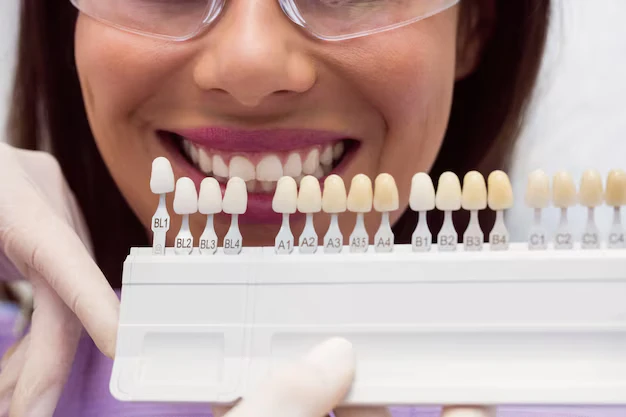

When it comes to enhancing one’s smile, dental veneers have become a popular choice among residents of Birmingham. These thin shells of porcelain or composite resin are customised to fit over the front surface of teeth, providing a natural and aesthetically pleasing appearance. However, potential patients often wonder, “How long do dental veneers last in Birmingham?” Understanding the longevity of these dental enhancements is crucial for anyone considering this option, as it can influence their decision-making process.
The Lifespan of Dental Veneers
The lifespan of dental veneers can vary based on several factors, including the material used, the individual’s dental hygiene practices, and the overall health of their teeth. Generally speaking, porcelain veneers tend to have a longer lifespan compared to composite resin veneers. On average, porcelain veneers can last between 10 to 15 years, while composite veneers might need replacing after about 5 to 7 years.
This durability is largely attributed to the strength and resistance of porcelain against wear and staining. Porcelain veneers are also less prone to chipping than their composite counterparts. Nevertheless, it is essential for patients to maintain regular dental check-ups and adhere to proper oral hygiene practices to maximise the lifespan of their veneers. Brushing twice a day, flossing regularly, and using non-abrasive toothpaste can significantly contribute to the longevity of these enhancements.
Factors Influencing the Longevity of Dental Veneers
Several factors can influence how long dental veneers last. One of the most significant considerations is the oral hygiene of the individual. Patients who maintain good dental habits are more likely to enjoy the benefits of their veneers for an extended period. Conversely, neglecting oral hygiene can lead to decay at the edges of the veneers, which may compromise their integrity and aesthetic appeal.
Another critical aspect is the bite force. Individuals who grind their teeth or have a strong bite may experience more wear and tear on their veneers. This condition, known as bruxism, can lead to premature failure of the veneers. In such cases, dentists often recommend custom mouthguards to protect the veneers during sleep and mitigate the risk of damage.
Additionally, dietary choices can also play a role in the lifespan of dental veneers. Certain foods and beverages, particularly those that are hard, sticky, or highly pigmented, can pose a threat to the longevity of veneers. For instance, ice, hard candies, and even some fruits can cause chips or cracks in the porcelain. Similarly, drinks like coffee, tea, and red wine can stain composite veneers over time. Therefore, it is advisable for patients to be mindful of their dietary habits to preserve their beautiful smile.
The Process of Getting Dental Veneers
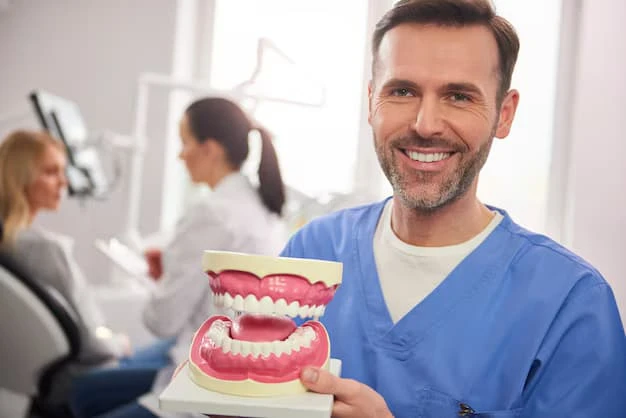
Understanding the process of obtaining dental veneers can also provide insight into their longevity. The journey typically begins with a consultation, during which a dentist evaluates the patient's teeth and discusses their expectations. After determining that veneers are a suitable option, the dentist will prepare the teeth by removing a small amount of enamel to ensure a proper fit.
Once the teeth are prepared, impressions are taken to create custom veneers that match the natural colour and shape of the existing teeth. This step is crucial, as the accuracy of the impressions directly affects the final appearance and fit of the veneers. After the veneers are created, the dentist will bond them to the teeth using a special adhesive. This bonding process is essential for the long-term success of the veneers, as it ensures that they remain securely attached.
Patients should also be aware that the initial adjustment period can vary. Some may experience sensitivity or discomfort as their mouth adapts to the new veneers. However, these sensations typically subside within a few days. Following the procedure, regular dental visits will ensure that the veneers remain in good condition, allowing the patient to enjoy their enhanced smile for years to come.
Conclusion
In conclusion, the longevity of dental veneers in Birmingham is influenced by several factors, including the type of material used, the individual's oral hygiene, dietary habits, and the overall health of their teeth. While porcelain veneers can last between 10 to 15 years with proper care, composite veneers may require replacement after 5 to 7 years. By maintaining good dental hygiene, avoiding harmful habits, and making informed dietary choices, patients can significantly extend the life of their veneers.
If you’re considering enhancing your smile with dental veneers, it's essential to consult a qualified dental professional who can guide you through the process and provide personalised recommendations. For further information and assistance, Cadbury Dental is here to help you achieve the smile you’ve always desired.
























Sign in to leave a comment.