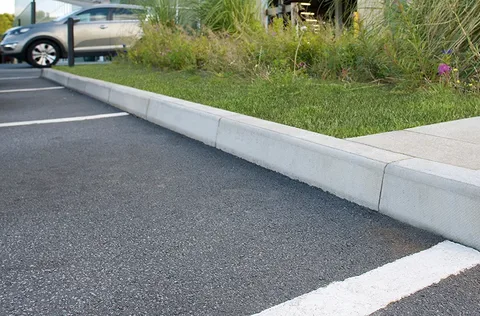

If you’re thinking about improving access to your driveway, one of the first questions that comes up is how long a dropped kerb installation in Durham actually takes. Most homeowners want the work done quickly, but they also want it done properly so it lasts. The good news is that the process is usually straightforward, as long as the planning and permissions are in place before work begins. Below is a simple breakdown of what affects the timescale, what to expect at each stage and how to prepare for a smooth installation.
What Happens Before Work Starts?
Before anyone picks up a tool, you need approval from your local council or highway authority. This step is essential because the pavement belongs to the council, and it must be reinforced correctly to support the weight of vehicles.
Time needed for permission:
Most councils take 4 to 8 weeks to review and approve applications.
This stage often takes longer than the actual installation itself.
To avoid delays, it helps to have clear application documents, a compliant driveway and proof that visibility and drainage won’t be affected.
How Long Is the Actual Installation?
Once permission is granted, the physical installation is surprisingly quick. For a standard residential driveway, most installations take between two and three days.
Day 1: Preparing the Area
The pavement is cut and excavated, and utilities are identified to avoid damage. The base is then reinforced with concrete or a compacted sub-base to support the weight of cars crossing the pavement.
Day 2: Laying Kerbs and Rebuilding the Pavement
New kerbstones are laid in a lowered formation, the pavement is rebuilt to match the height and slope, and everything is compacted for stability.
Day 3 (if needed): Finishing Touches
Some installations need a final day for additional paving, edging, sealing or alignment with the driveway surface.
Most of the time, the team finishes within two days. Larger kerb runs, corner plots or complex gradients may need an extra day or two.
Factors That Can Affect the Timeline
Although the core work is fast, a few things can change how long the job takes:
1. Length of the Kerb
A single-vehicle width typically takes two days. Wider driveways or multi-car entrances require more excavation and paving.
2. Weather Conditions
Heavy rain or freezing temperatures can slow down curing times, especially for concrete-reinforced bases.
3. Existing Pavement Condition
Old, damaged or uneven pavements often need more preparation to ensure a long-lasting finish.
4. Underground Services
Gas, water, electric or telecom lines under the pavement may require extra care or minor adjustments.
When Can You Use the Dropped Kerb?
In most cases, you can use the new kerb within 24–48 hours once the materials have set. Your contractor will confirm the exact time to avoid premature loading that might damage the surface.
Why Professional Installation Matters
A dropped kerb needs to meet strict safety and accessibility standards. Driveways Durham Professional installers understand how to set the correct gradient, reinforce the pavement and create a smooth, safe link between your driveway and the road. This not only keeps the installation compliant but also reduces long-term issues like sinking, cracking or water pooling.
When done properly, a dropped kerb provides decades of reliable access.
A Quick Summary of the Timeline
StageTime RequiredCouncil approval4–8 weeksOn-site installation2–3 daysFull curing timeUp to 48 hoursOptional finishing1 extra day
So while the permissions process can be the longest part, the work itself is quick and efficient.
Thinking About Installing a Dropped Kerb?
If you're planning the upgrade, knowing the timescale helps you set expectations and avoid disruptions. A properly installed dropped kerb makes everyday access easier, protects your vehicle and keeps the pavement safe for everyone using it.










Sign in to leave a comment.