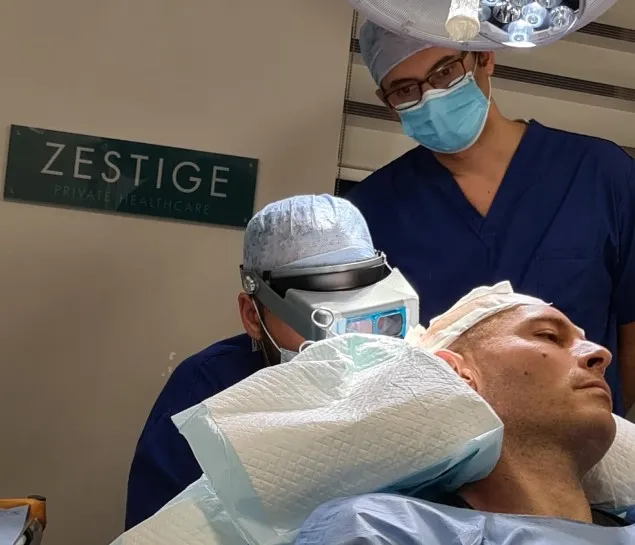

Recent years have seen a substantial increase in the popularity of hair transplant treatments, giving people a chance to restore their confidence and youthful appearance. Harley Street Healthcare Hair Transplant Clinics are among the renowned clinics offering these services and have earned a reputation for quality and innovation. Understanding the healing process is essential if you're thinking about getting a hair transplant so that you can get the best results possible.
Understanding the Hair Transplant Procedure:
Before delving into the recovery journey, it's essential to grasp the basics of the hair transplant procedure. Two primary methods are widely practiced: Follicular Unit Transplantation (FUT) and Follicular Unit Extraction (FUE). FUT involves removing a strip of scalp from the donor area, dissecting it into grafts, and transplanting them to the recipient area. FUE, on the other hand, involves extracting individual hair follicles directly from the donor area and implanting them where needed.
The choice between FUT and FUE is often determined by factors such as hair loss extent, donor hair availability, and individual preferences. It's worth noting that while cost is a consideration, the emphasis should be on selecting a reputable clinic with a proven track record, such as Harley street hair transplant clinic.
The Immediate Post-Operative Period:
The initial post-operative time following a hair transplant is marked by a variety of side effects. Both the donor and recipient sites frequently experience swelling, redness, and discomfort. These side effects usually go away in a few days, but it's very important to carefully adhere to the clinic's post-operative care guidelines. In addition to suggestions for avoiding strenuous activities that can interfere with the healing process, these guidelines may also include gentle cleansing methods.
The Initial Recovery Phase (1-2 Weeks):
In the first one to two weeks after the procedure, patients can expect scabbing and crusting to occur on the transplanted area. While it might be tempting to scratch or pick at these scabs, it's essential to resist the urge, as doing so can hinder the healing process and potentially lead to complications. During this phase, patients should adhere to the guidelines provided by their clinic for proper care, ensuring optimal healing.
Shock loss is another common concern during this phase. Some of the transplanted hairs might shed temporarily before regrowing. While this might be disheartening, it's important to remember that this is a natural part of the process, and the regrowth will follow in due course.
Weeks 2-4: Healing and Shedding:
As the initial scabs and crusts begin to heal and flake off, the transplanted area gradually heals. During this period, some patients may experience shedding of transplanted hairs. It's crucial to understand that this shedding is a temporary phase and doesn't indicate permanent hair loss. The shedding is followed by a period of dormancy, after which the hair follicles will start to regrow new hair.
It's understandable that patients might experience anxiety during this phase, but it's important to maintain patience and trust in the process. Results vary from person to person, and visible growth will become more apparent in the coming months.
Months 2-6: Early Growth and Patience:
Between the second and sixth months post-procedure, patients will start witnessing the emergence of new hair growth from the transplanted follicles. However, it's important to note that the growth rate can vary significantly among individuals. Some patients might experience faster growth, while others might have a more gradual progression.
During this time, it's crucial to maintain realistic expectations and continue following any guidance provided by the clinic. Patience is key, as the early growth might not fully represent the final outcome of the transplant.
Stay tuned for the second part of this comprehensive guide, where we'll delve into the later stages of hair transplant recovery, the visible results, long-term care, and the cost considerations associated with these transformative procedures.
Months 6-12: Visible Results:
Patients might anticipate more noticeable outcomes as they move into the sixth to twelfth months following the hair transplant treatment. The newly implanted hairs will develop further and thicken, increasing the recipient area's coverage. The change can be astounding, and many patients notice a considerable improvement in their confidence and self-worth.
It's a good idea to make a follow-up visit with the clinic during this phase. The medical staff will evaluate the condition and respond to any worries or inquiries you might have. In rare instances, a second session may be advised to obtain improved coverage or density depending on the preliminary results and the person's aspirations.
Beyond 1 Year: Long-Term Results and Care:
Beyond the first year, the majority of the hair transplant results will be apparent. Patients will enjoy the benefits of a fuller head of hair, improved self-image, and the freedom to style their hair as they desire. However, the journey doesn't end here. To ensure the longevity of the transplant, it's essential to adopt proper hair care and maintenance practices.
Regular and gentle hair care, as well as protecting the hair from harsh elements, will contribute to preserving the results for years to come. Some patients might also opt for post-transplant treatments or therapies recommended by their clinic to further enhance the health and appearance of their hair.
Addressing the Cost Factor:
The hair transplant cost can significantly vary due to several influential factors. Clinic reputation, geographical location, the extent of the procedure, and the expertise of the medical team all intertwine to shape the final price tag. While it's natural to consider the financial aspect, it's equally important to prioritise the quality of care and expertise provided by the clinic.
In the context of costs, clinics like Harley Street Healthcare Hair Transplant Clinics come to the fore as paragons of excellence. Renowned for their commitment to patient satisfaction, these clinics emphasise the value of professional proficiency. Opting for such reputable clinics might entail a higher initial cost, but the reduced risk of complications and unsatisfactory results proves invaluable in the long run, addressing the question of how much does it cost for hair transplant.
By recognising that the investment extends beyond monetary considerations, individuals underscore their commitment to a comprehensive journey – from pre-operative consultations through to post-operative care. When evaluating the cost of a hair transplant, it becomes a tribute to the revitalisation of self-assuredness and a testament to the power of selecting a path illuminated by expertise and fulfillment.
Factors Influencing the Cost:
Clinic Reputation: Reputed clinics with a track record of successful hair transplant procedures tend to charge higher fees. However, the reputation also often aligns with the quality of care, experience of the medical team, and advanced techniques utilised.
Location of the Clinic: The geographical location of the clinic can significantly impact the cost. Clinics situated in prominent areas or regions with a higher cost of living may charge more due to increased operational expenses.
Procedure Complexity: The complexity of the hair transplant procedure itself plays a role in determining the cost. More intricate procedures or those involving a larger area of transplantation may require more time, effort, and resources.
Expertise of the Medical Team: Highly experienced and skilled surgeons and medical staff often command higher fees due to their expertise, precision, and ability to deliver superior results.
Extent of the Procedure: The extent of your hair loss and the area that requires transplantation will influence the cost. Larger areas or more extensive hair loss may necessitate a more comprehensive procedure, which can impact the overall price.
In conclusion, the journey to hair transplant recovery is a multi-phase process that requires patience, understanding, and proper care. By choosing a clinic like Harley Street Healthcare Hair Transplant Clinics, individuals can ensure they receive top-notch care and guidance throughout their recovery journey. While the cost of a hair transplant is a factor to consider, the focus should remain on achieving the best possible outcome through a reputable clinic rather than solely on the price.
At Zestige Private Healthcare, we understand the significance of this journey and the impact it can have on one's life. We encourage you to explore your options, prioritise quality, and embark on your transformation with confidence.











Sign in to leave a comment.