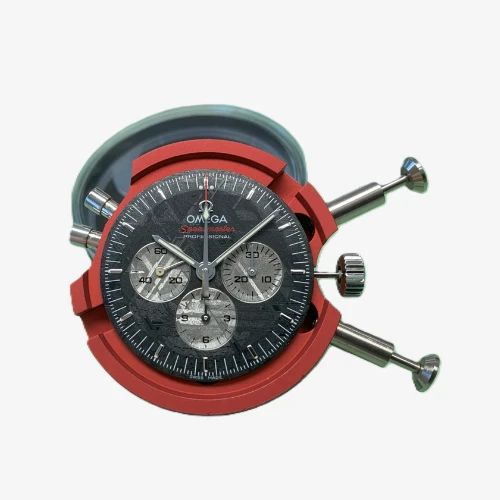
A watch battery feels like one of those things you shouldn’t have to think about often. Your watch works every day, you glance at it a hundred times, and life moves on. Then one day you look down and the hands are frozen, the screen is blank, or the seconds hand starts jumping like it’s confused.
In South Florida, battery life can be a little less predictable. If you’ve been searching for Watch Battery Replacement in Miami, you’re not alone. Many watch owners in Miami deal with battery issues earlier than expected because the local weather and lifestyle put extra stress on watches.
This guide breaks down real battery life ranges, what affects them in Miami, and exactly when you should replace your battery (before it causes bigger damage).
What Is the Normal Lifespan of a Watch Battery?
Watch battery life isn’t one-size-fits-all. Most people hear “2 to 3 years” and assume that’s always true. In reality, it depends heavily on the watch type, battery type, and how the watch is used.
Typical Battery Life by Watch Type
Here’s a realistic average lifespan for most watches:
- Basic quartz analog watches: 2–3 years
- Quartz chronograph watches: 1–2 years
- Digital watches with backlight/alarm: 1–2 years
- Smart hybrid watches (not full smartwatches): 6–18 months
- Luxury quartz watches: 2–4 years (depends on movement and features)
If your watch has more functions, it drains faster. Simple watches tend to last longer.
Battery Quality Also Matters
Not all batteries are equal. A high-quality battery installed by a pro can often last longer than a cheap battery installed quickly without testing.
Common battery types include:
- Silver oxide (most common, stable output, better lifespan)
- Lithium (often used in digital watches, strong long-term performance)
- Alkaline (cheaper, less stable, shorter life)
Why Watch Batteries Die Faster in Miami
Miami isn’t like most cities. Your watch deals with heat, humidity, salt air, sweat, and constant temperature changes from outdoors to air conditioning.
These conditions don’t just affect comfort—they can affect battery performance and the watch’s internal parts.
Heat Speeds Up Battery Drain
Batteries are chemical systems, and heat accelerates chemical reactions. That means:
- Battery drains faster
- Battery voltage can become unstable
- The watch may behave inconsistently near the end of battery life
If your watch gets left in a hot car, direct sun, or on a windowsill, battery life can shorten significantly.
Humidity and Sweat Create Corrosion Risks
Miami’s humidity is no joke. Over time, moisture exposure can lead to:
- Corrosion around the battery compartment
- Rust on internal contacts
- Damage to gaskets and seals (reducing water resistance)
Even “water-resistant” watches can have moisture issues if their seals are old or the case wasn’t closed properly after a battery swap.
Salt Air in Coastal Areas Adds Extra Wear
If you’re near the beach often (or live close to the water), salt particles in the air can:
- Increase corrosion risk
- Wear down metal parts around the caseback
- Make battery replacement harder if the back gets stuck
The Real Battery Lifespan You Can Expect in Miami
Let’s be straight: in Miami, many watches don’t hit the upper end of battery life estimates.
A realistic range for Miami conditions is often:
- Standard analog quartz: 18 months to 3 years
- Chronographs and feature-heavy watches: 10 to 18 months
- Digital watches with frequent backlight use: 8 to 16 months
If your battery is dying in under a year, that’s not “normal,” and it usually signals a deeper issue like:
- poor battery quality
- battery not seated correctly
- moisture intrusion
- movement problems
- constant use of high-drain features
Signs Your Watch Battery Is Dying (Don’t Ignore These)
A watch battery doesn’t always die instantly. Many watches show warning signs first, but most people miss them.
The Seconds Hand “Jumps” (2-Second or 4-Second Steps)
On many quartz analog watches, when the battery is low:
- the seconds hand moves every 2 seconds (instead of every second)
- or it may jump in 4-second steps
This is your watch warning you before it shuts down.
The Watch Stops and Starts Randomly
If your watch:
- works for a few hours
- stops
- then works again after tapping it or moving it
That’s often a weak battery losing voltage under load.
Digital Display Looks Faded or Flickers
For digital watches, warning signs include:
- dim display
- missing segments
- flickering numbers
- backlight becoming weak
Chronograph Features Stop Working Correctly
Chronograph watches drain more power. When batteries drop low:
- stopwatch hand won’t reset properly
- timing functions become inaccurate
- subdials pause or behave weirdly
When Should You Replace a Watch Battery?
Waiting until your watch completely stops isn’t always the best move—especially in Miami.
Replace the Battery When:
- the seconds hand starts jumping
- the display fades or flickers
- the watch stops even once
- it’s been 2+ years since last battery change (for many quartz watches)
- your watch is exposed often to heat, water, or sweat
Don’t Wait Too Long After It Dies
Once a battery is dead, leaving it inside the watch can be risky.
Over time, a dead battery may:
- leak
- corrode the movement
- permanently damage contacts
- turn a simple battery job into a full repair
In humid climates like Miami, that risk increases because corrosion accelerates.
What Happens If You Ignore a Dead Watch Battery?
A lot of people treat it like no big deal. But here’s the truth: the battery is the easiest part to replace. The movement is not.
Battery Leakage Can Destroy the Movement
If a battery leaks, it releases chemicals that can:
- eat away at metal parts
- damage the coil and circuit
- ruin the battery terminal
- cause the hands to stop permanently
At that point, a replacement battery won’t fix anything.
Water Resistance Can Be Compromised
Many watches depend on:
- gaskets
- O-rings
- sealed casebacks
If the battery is replaced incorrectly or the seal isn’t checked, Miami humidity can sneak in. Then you get fog under the crystal, rust, and internal damage.
How Often Should You Replace a Watch Battery in Miami?
There’s no perfect schedule, but you can follow practical timing based on watch type and lifestyle.
General Replacement Timeline (Miami-Smart)
- Every 18–30 months for most analog quartz watches
- Every 12–18 months for chronograph and multi-function quartz watches
- Every 8–16 months for digital watches with frequent backlight/alarm use
If You Swim, Boat, or Sweat a Lot
You should be extra cautious if you:
- work outdoors
- go to the gym daily
- swim in pools/ocean
- boat or fish
- wear your watch in steamy environments
In these cases, battery replacement should also include checking seals and case closure.
Should You Replace the Battery Yourself or Use a Professional?
DIY watch battery replacement looks easy online. And sometimes it is. But the risk is higher than most people think—especially for nicer watches.
DIY Replacement: Pros and Cons
Pros
- cheaper
- fast
- convenient
Cons
- easy to scratch the caseback
- risk of breaking clips or damaging the movement
- incorrect battery type may be installed
- water resistance often gets compromised
- dust and moisture exposure can shorten watch life
If your watch is valuable or water-resistant, DIY is usually a gamble.
Professional Replacement: What You Get
A real watch battery service should include:
- correct battery model selection
- safe removal and installation
- voltage and function testing
- cleaning contact points if needed
- checking caseback and gasket condition
- proper sealing to reduce humidity intrusion
That last part matters a lot in Miami.
How to Make Your Watch Battery Last Longer in Miami
You can’t control the weather, but you can reduce battery strain and protect your watch.
Avoid Extreme Heat
- don’t leave watches in hot cars
- avoid direct sun for long periods
- store watches away from windows
Keep It Dry (Even If It’s “Water-Resistant”)
- rinse after ocean exposure (if rated for it)
- wipe sweat after workouts
- don’t wear it in steam rooms
Use Features Less Often
If you have a digital or chronograph watch:
- reduce backlight use
- avoid leaving stopwatch running
- limit alarm usage
Store Watches Properly
If you rotate watches:
- store them in a dry place
- avoid bathrooms and humid drawers
- consider a sealed storage case with silica packs
What to Expect During a Battery Replacement Service
If you haven’t replaced a watch battery in a while, here’s what the experience should look like from a quality provider.
Step-by-Step Service Breakdown
Most professional battery replacements include:
- opening the case safely
- removing the old battery
- checking for leakage or corrosion
- installing correct replacement battery
- testing movement function
- resealing the case
If Your Watch Has Issues
Sometimes a battery swap reveals other problems, such as:
- corroded terminals
- worn gaskets
- moisture inside the case
- movement failure
If that happens, a good watch service shop explains your options clearly instead of pushing expensive repairs blindly.
Quick FAQ About Watch Batteries in Miami
How long does it take to replace a watch battery?
Often 10 to 30 minutes depending on the watch type. Some models take longer if they require resealing or have complex casebacks.
Can Miami heat kill a battery early?
Yes. Heat can shorten battery life and increase failure risk, especially when combined with humidity.
Will replacing the battery fix a stopped watch?
Usually, yes—if the movement is healthy. If leakage, moisture, or corrosion occurred, the watch may need repair.
Is it normal for a battery to last only 1 year?
For high-drain watches, yes. For simple analog quartz watches, it may indicate cheap battery quality or another issue.
Final Take: The Best Time to Replace Your Watch Battery
In Miami, watch batteries often don’t last as long as people expect, and waiting too long can lead to serious damage. A good rule is simple: don’t wait until it fails completely, and don’t leave a dead battery sitting inside the case.
If your watch is showing warning signs—or if it’s been a couple of years since your last replacement—it’s smart to get it checked sooner rather than later.
A fast battery swap today is far cheaper than a full movement replacement tomorrow.



























Sign in to leave a comment.