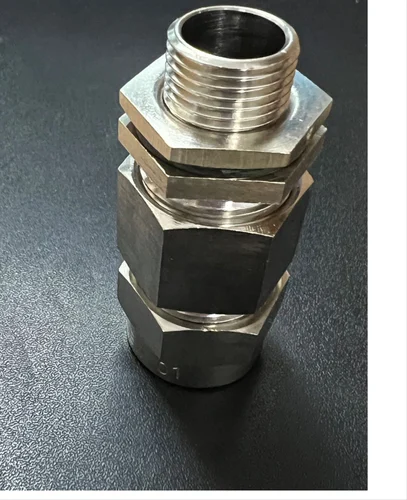

Have you ever wondered how cable glands can withstand harsh conditions and continue to protect electrical connections safely? Cable glands are essential for securing cables in industrial, commercial, and outdoor applications. They prevent water, dust, chemicals, and mechanical stress from damaging electrical systems. To ensure long-lasting performance, manufacturers test cable glands for durability. These tests help maintain safety, reliability, and compliance with industry standards. In this article, we will explain the main ways manufacturers test cable glands and what can be done to make them safe during use.
One important test is the mechanical strength test. Manufacturers apply pressure and torque to cable glands to check how much force they can withstand without breaking. This ensures that the gland will hold the cable securely even when it is pulled or twisted. For safety, always choose glands with mechanical ratings suitable for your application to prevent loosening or failure.
Waterproof testing is another key procedure. Many cable glands are designed to be waterproof or weatherproof. Manufacturers submerge glands in water or spray them with high-pressure water to check for leaks. This is especially important for outdoor installations or damp environments. Users should also seal and tighten cable glands properly to maintain water resistance.
Chemical resistance tests are performed to ensure the cable glands can handle oils, acids, or other industrial chemicals. The glands are exposed to various chemicals to see if they degrade or weaken. For safety, select cable glands made from materials suitable for the chemical environment in which they will be installed. Proper cleaning and maintenance also help extend their lifespan.
Temperature tests are used to determine how cable glands react to heat or cold. Manufacturers expose the glands to extreme temperatures to check if they expand, contract, or lose strength. This ensures that glands remain durable in hot outdoor conditions, cold storage areas, or near machinery that generates heat. Users should choose glands rated for the temperature range they will encounter.
UV and sunlight exposure tests are important for outdoor applications. Prolonged exposure to sunlight can cause some plastics to crack or become brittle. Manufacturers test cable glands by exposing them to UV light to simulate long-term outdoor use. For safety, using UV-resistant cable glands in outdoor installations helps prevent premature failure.
Ingress protection testing is another critical step. Cable glands are tested for dust and particle resistance by exposing them to fine powders or particles. This ensures that no debris enters the electrical connection and causes faults. Users should ensure the gland is properly tightened and positioned to maintain its ingress protection rating.
Vibration and shock testing is performed to simulate real-world industrial conditions. Many electrical systems experience constant vibration or occasional shocks. Manufacturers test cable glands by subjecting them to vibrations and impacts to see if they loosen or break. Safety can be enhanced by checking that glands are securely installed and periodically inspected in areas with high vibration.
Durability tests also include repeated assembly and disassembly. Some cable glands may need to be removed and reinstalled for maintenance or modifications. Manufacturers test glands by tightening and loosening them multiple times to ensure they do not wear out quickly. For safety, avoid over-tightening and follow manufacturer guidelines for installation.
Electrical insulation testing is conducted for cable glands that include metal parts or are used in high-voltage environments. Manufacturers measure the insulation resistance to ensure the gland does not allow current to leak. This reduces the risk of electrical shocks and short circuits. Users should verify insulation ratings and install glands according to safety guidelines.
Finally, manufacturers may perform combined tests to simulate harsh operating conditions. They expose cable glands to water, chemicals, heat, vibration, and mechanical stress at the same time. This helps ensure that the gland can handle multiple stresses simultaneously, reflecting real-life usage. Safety is maintained by choosing certified cable glands and monitoring their condition regularly.
In conclusion, manufacturers test cable glands for durability using mechanical, waterproof, chemical, temperature, UV, ingress protection, vibration, repeated use, and electrical insulation tests. These procedures ensure that cable glands are strong, safe, and reliable for industrial, commercial, and outdoor applications. Users can maintain safety by selecting glands rated for their environment, following installation instructions, inspecting regularly, avoiding overloads, and performing proper maintenance. Understanding how manufacturers test cable glands helps businesses and individuals choose the right products and ensure long-term protection for their electrical systems.

























Sign in to leave a comment.