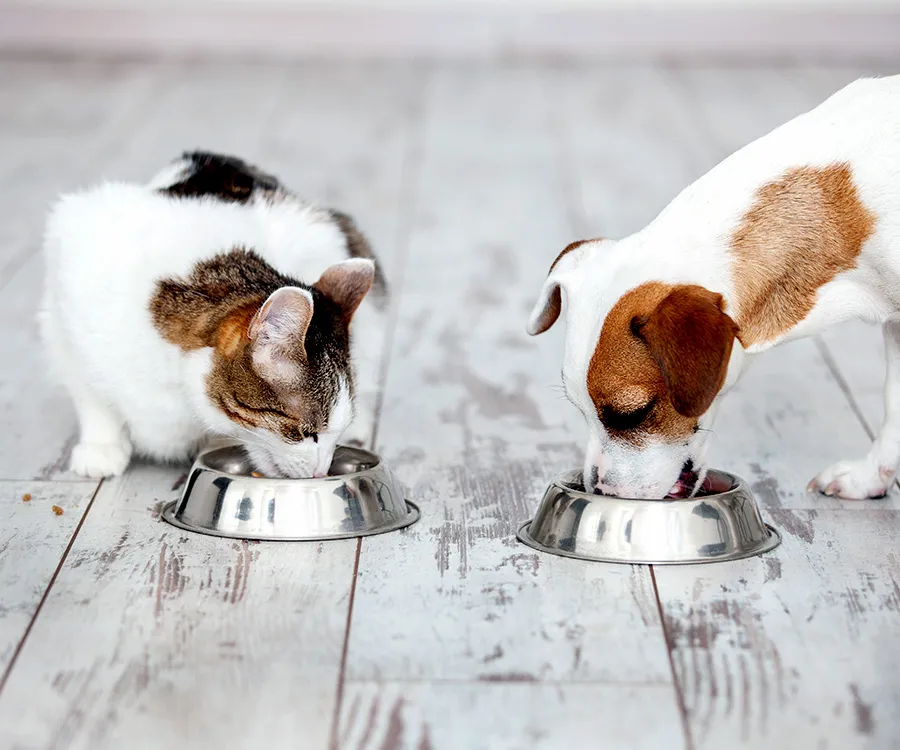

If you have both a cat and a dog at home, you’ve probably noticed something already. They don’t eat the same way. Not just behavior — even their energy feels different.
And that’s not random.
It actually comes down to metabolism. The way their bodies process food is not the same at all. And because of that, their diet cannot be planned in the same way either.
What Metabolism Really Means (Simple Way)
Metabolism is basically how the body uses food.
It decides:
- how energy is produced
- how nutrients are used
- how the body stays active
Every animal has it. But the “style” of metabolism is different.
Cats and dogs are a clear example of that.
Why You Should Not Feed Them the Same Food
It might look convenient. Same food, same bowl, same routine.
But their bodies don’t agree with that.
Cats need something very specific. Dogs are more flexible.
If you ignore that difference, problems don’t come instantly… but they do show up later.
Cats: Built for Meat (Very Strict System)
Cats are what experts call obligate carnivores.
But in simple words — they are designed to eat meat. Not sometimes. Regularly.
Their body:
- depends heavily on protein
- needs certain amino acids all the time
- does not adjust well to low-protein diets
Even small imbalance affects them faster than dogs.
Dogs: More Adaptable Than Cats
Dogs are different.
They can:
- eat both meat and plant-based food
- use carbs for energy
- adjust to different diets
That’s why dog diets are usually more flexible.
Still important… but not as strict as cats.
Protein: The Biggest Difference
If there’s one thing to remember, it’s this.
Cats need more protein. Always.
Not just for growth — but for daily survival.
Their metabolism keeps using protein constantly. It doesn’t slow down.
Dogs don’t work like that. They can balance things with carbs and fats.
Carbs: Useful for Dogs, Not So Much for Cats
Cats don’t really depend on carbohydrates.
In fact:
- too many carbs can disturb their system
- they don’t use carbs efficiently
Dogs, on the other hand:
- digest carbs better
- use them as energy
- can handle grains more easily
This is why dog food and cat food look similar sometimes… but work very differently.
Hydration Changes Everything for Cats
Here’s something many people miss.
Cats don’t naturally drink a lot of water.
So they rely on food for hydration.
That’s why many owners prefer wet cat food ksa, because it adds moisture along with nutrition.
Dogs? They usually drink water more actively. So this issue is less serious for them.
Feeding Behavior Is Also Different
If you observe closely:
Cats:
- eat small portions
- come back to food again and again
Dogs:
- eat full meals
- follow fixed feeding times
This behavior is connected to how their metabolism works internally.
Role of Packaged Pet Food
Most commercial pet foods are designed based on these differences.
But still, not all are equal.
For example, dry cat food riyadh is often made with higher protein focus and specific nutrients that cats need daily.
Dog food formulas are usually more mixed and flexible.
So reading labels actually matters more than people think.
Common Mistakes Pet Owners Make
These are small things, but they add up.
- feeding dog food to cats occasionally
- ignoring protein levels
- giving too many treats with carbs
- not thinking about hydration
Nothing happens immediately… but long-term effects show up.
How Metabolism Affects Health Over Time
Diet is not just about today.
It affects:
- energy levels
- weight balance
- immunity
- overall lifespan
When metabolism is supported properly, pets stay active and stable.
If not, issues come slowly — and sometimes quietly.
Simple Tips That Actually Help
Nothing complicated here.
- feed species-specific food
- check protein content for cats
- don’t overload carbs
- keep water always available
- observe behavior changes
Even small awareness makes a big difference.
Final Thoughts
Cats and dogs may live in the same house, but their bodies follow different rules.
Cats are strict. Dogs are flexible.
And that difference comes from metabolism.
Once you understand this, diet planning becomes much easier — and much more effective.
At the end of the day, it’s not about feeding more… it’s about feeding right.





























Sign in to leave a comment.