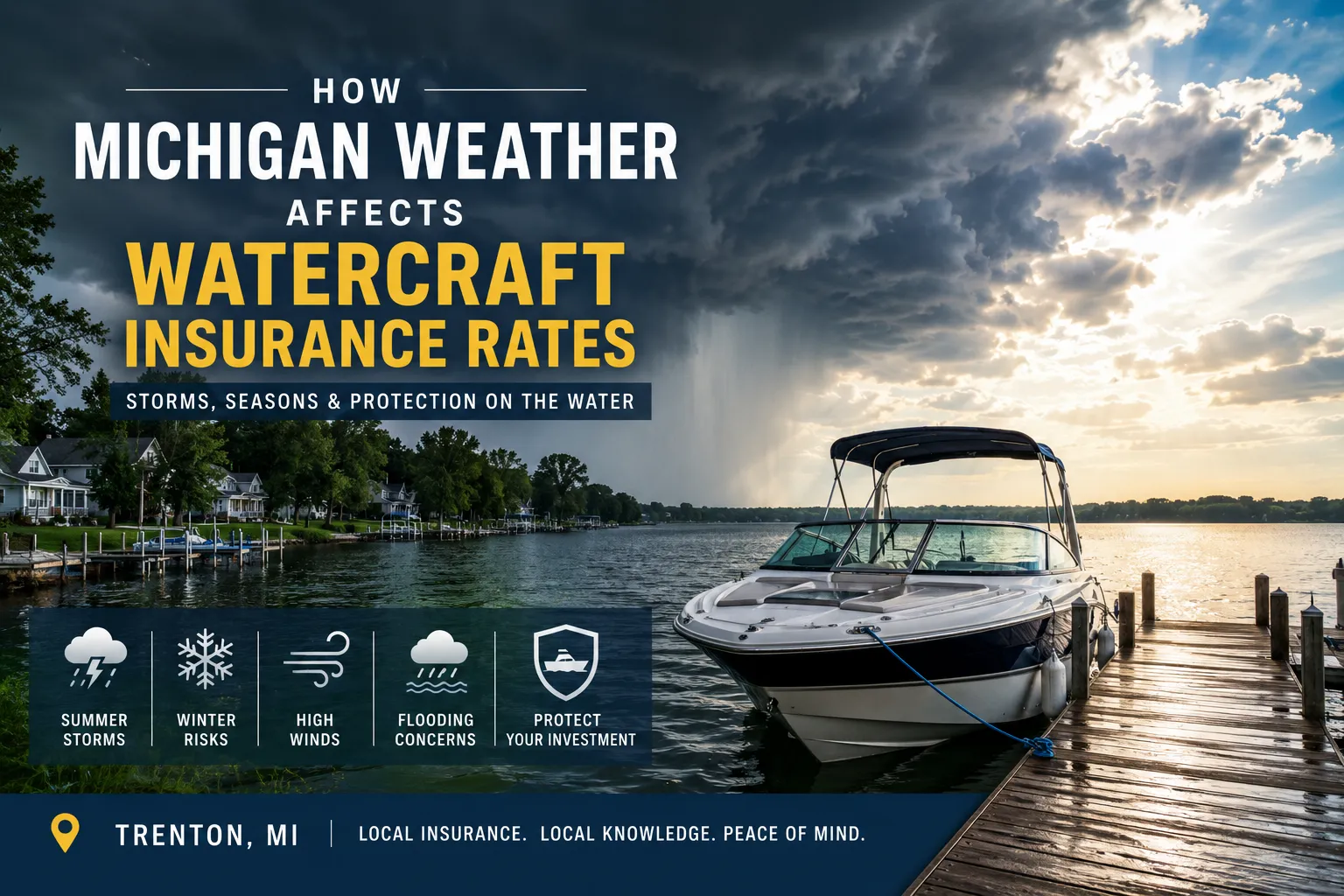

Michigan is a boater’s paradise. With access to the Great Lakes, thousands of inland lakes, and miles of scenic waterways, residents and visitors enjoy countless opportunities to get out on the water. Whether you own a fishing boat, pontoon, sailboat, or personal watercraft, protecting your investment with the right insurance coverage is essential. However, many boat owners are surprised to learn that local weather conditions can play a significant role in determining insurance costs.
If you're shopping for Boat Insurance in Trenton understanding how Michigan's unique climate affects insurance rates can help you make informed decisions and potentially save money.
Why Weather Matters to Insurance Companies
Insurance providers calculate premiums based on risk. The greater the likelihood of damage, theft, or claims, the higher the insurance rate may be. Michigan's weather presents several seasonal risks that insurers take into account when evaluating watercraft policies.
Unlike states with year-round boating seasons, Michigan experiences dramatic weather changes throughout the year. From severe summer storms to harsh winter conditions, these environmental factors directly influence the cost and scope of watercraft coverage.
Summer Storms and Severe Weather Risks
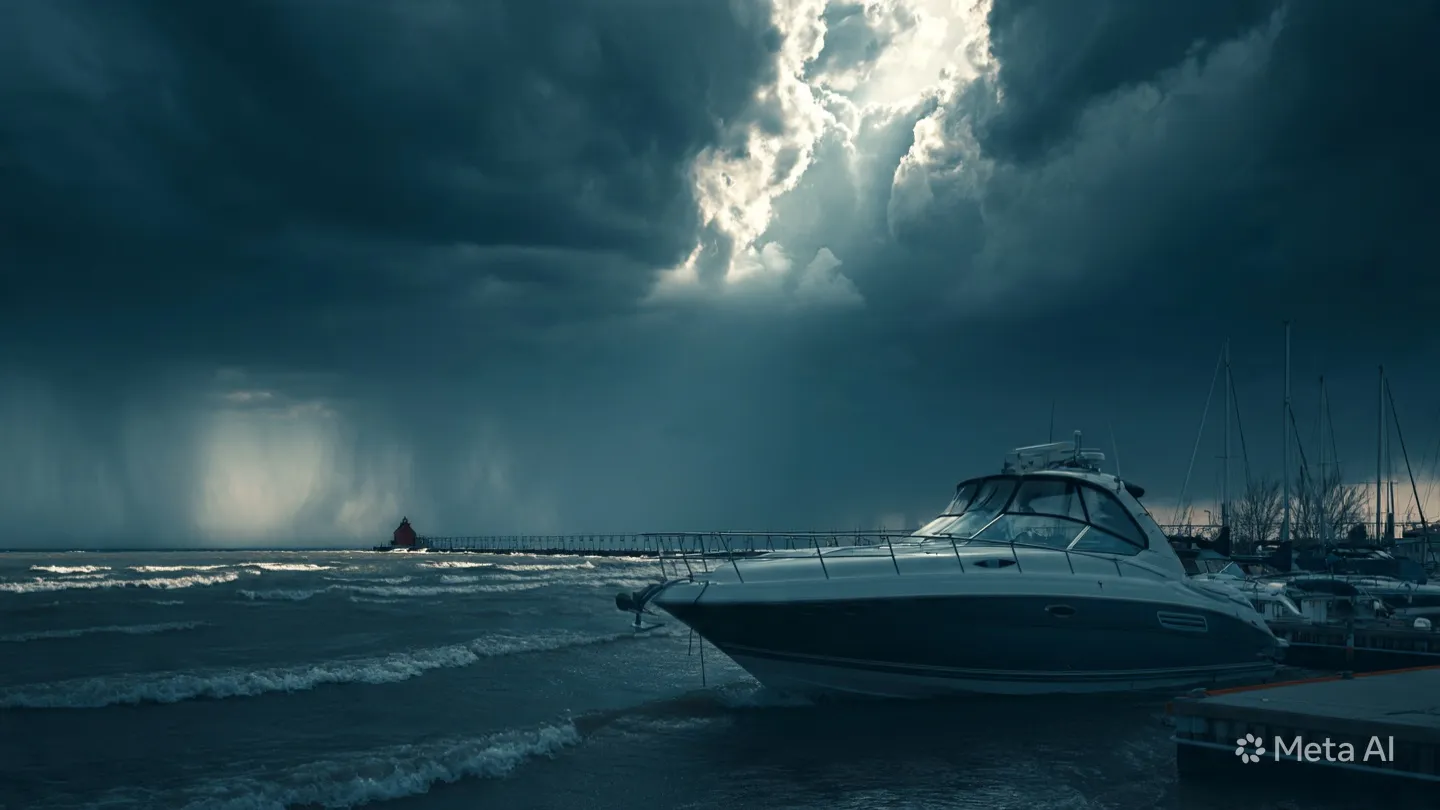
Michigan summers offer excellent boating conditions, but they also bring thunderstorms, high winds, hail, and occasional tornado activity. These weather events can cause significant damage to boats and personal watercraft.
Common weather-related claims include:
- Hail damage to boat exteriors
- Wind damage from fallen trees or debris
- Docking accidents during storms
- Water intrusion and flooding
- Damage from lightning strikes
Trenton's location along the Detroit River means boat owners are particularly exposed to changing weather conditions. Strong winds and sudden storms can create hazardous situations on the water, increasing the likelihood of insurance claims.
As a result, insurers may factor local storm frequency into the pricing of Watercraft Insurance in Trenton, MI.
The Impact of Winter Storage Risks
One of the biggest differences between Michigan and warmer states is the winter boating off-season. During the colder months, boats are typically stored on land, in marinas, or in storage facilities.
While many people assume stored boats face little risk, winter weather creates its own set of challenges:
- Ice and snow accumulation
- Structural damage from heavy snowfall
- Freeze-related engine damage
- Cracked pipes and plumbing systems
- Storage facility roof collapses
Insurance companies often assess whether a vessel is professionally winterized and stored properly. Boat owners who follow recommended winter storage practices may qualify for lower premiums or reduced risk classifications.
Great Lakes Conditions and Insurance Costs
Michigan's proximity to the Great Lakes introduces additional insurance considerations.
The Great Lakes are known for rapidly changing weather patterns, strong currents, and rough water conditions. Boats operating on larger bodies of water typically face greater risks than those used exclusively on smaller inland lakes.
Insurance providers may consider:
- The primary navigation area
- Vessel size and horsepower
- Frequency of use
- Distance traveled from shore
- Exposure to open-water conditions
For Trenton boaters who regularly travel through the Detroit River and connect to larger waterways, insurers may evaluate these navigation risks when determining policy rates.
Flooding and Water Damage Concerns
Michigan occasionally experiences periods of heavy rainfall that can lead to localized flooding. Marinas, docks, and waterfront storage areas may be vulnerable during extreme weather events.
Flood-related claims can involve:
- Waterlogged engines
- Electrical system failures
- Interior damage
- Trailer damage
- Equipment loss
Because water damage repairs can be costly, insurers carefully evaluate a boat's storage location and exposure to flood-prone areas.
Climate Trends and Future Insurance Rates
Insurance companies continuously analyze claim data and weather patterns. As severe weather events become more frequent in many regions, insurers may adjust rates to reflect changing risks.
For boat owners, this means maintaining adequate coverage is more important than ever. Reviewing your policy annually helps ensure your protection keeps pace with both your vessel's value and evolving environmental risks.
Ways Trenton Boat Owners Can Lower Insurance Costs
While weather risks cannot be controlled, there are several ways to reduce insurance expenses:
Store Your Boat Properly
Secure winter storage and professional winterization can reduce the likelihood of weather-related claims.
Install Safety Equipment
Navigation systems, alarms, fire extinguishers, and emergency equipment may qualify for discounts.
Maintain a Clean Boating Record
Safe operation and claim-free history often result in lower premiums.
Bundle Insurance Policies
Many insurers offer discounts when combining boat coverage with home or auto insurance.
Choose Appropriate Coverage Limits
Working with an experienced insurance professional can help you select coverage that balances protection and affordability.
Final Thoughts
Michigan's weather plays a major role in determining watercraft insurance costs. From summer storms and high winds to winter storage risks and Great Lakes conditions, insurers carefully assess environmental factors when calculating premiums.
For boat owners seeking Boat Insurance in Trenton or Watercraft Insurance in Trenton, MI, understanding these weather-related risks can help you choose the right policy and take proactive steps to protect your vessel year-round.
The right insurance coverage not only safeguards your investment but also provides peace of mind, allowing you to enjoy Michigan's incredible boating opportunities with confidence—regardless of what the weather forecast may bring.






















Sign in to leave a comment.