
Military families face unique challenges, especially during deployments, relocations, and extended training assignments. One of the most stressful concerns for service members is ensuring their pets are safe and cared for when sudden orders arise. Fortunately, Military Dog Fostering in Virginia is emerging as a powerful solution—not only for military families but also for animal shelters struggling with overcrowding.
In this article, we will explore how Military Dog Fostering in Virginia helps reduce shelter congestion, supports community stability, and protects the well-being of both pets and service members.
Understanding Shelter Overcrowding in Virginia
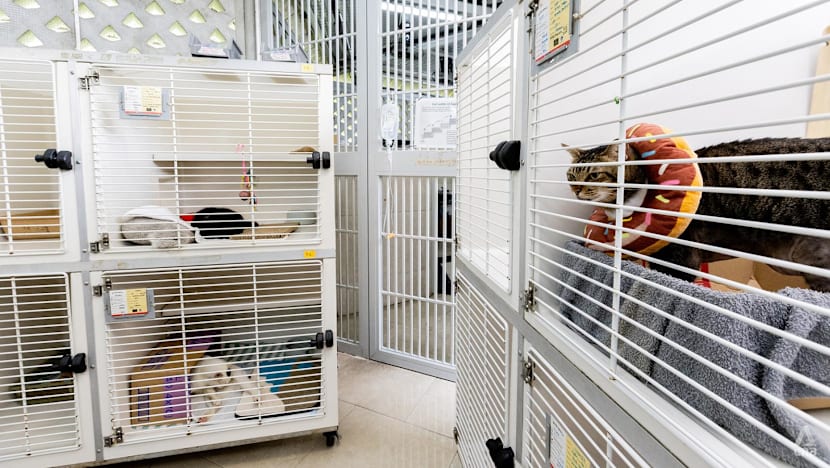
Animal shelters across the United States frequently operate at or beyond capacity. In growing states like Virginia, intake numbers can spike due to:
- Housing instability
- Economic hardship
- Owner relocations
- Natural disasters
- Military deployments
When shelters become overcrowded, several problems occur:
- Increased stress and anxiety in dogs
- Higher risk of illness transmission
- Limited space for emergency rescues
- Greater strain on staff and volunteers
- In worst cases, higher euthanasia rates
Military families often face sudden deployment timelines. Without a reliable fostering system, some pets are surrendered to local shelters—not because they are unwanted, but because families temporarily cannot provide care.
This is where Military Dog Fostering in Virginia makes a measurable difference.
What Is Military Dog Fostering in Virginia?
Military Dog Fostering in Virginia is a structured, temporary care arrangement where approved foster families care for pets belonging to active-duty service members during deployment or relocation periods.
Unlike permanent surrender, fostering ensures:
- The dog remains legally owned by the service member
- The placement is temporary
- The pet returns home after deployment
This proactive model prevents unnecessary shelter intake and keeps military pets out of overcrowded systems.
1. Preventing Unnecessary Shelter Surrenders
One of the most direct ways Military Dog Fostering in Virginia reduces shelter overcrowding is by stopping the surrender cycle before it begins.
Without foster programs, a service member facing sudden orders might have limited options:
- Pay for extended boarding (often expensive)
- Ask family who may not be available
- Surrender the pet to a shelter
When fostering programs are accessible, military families can:
- Secure safe temporary placement
- Maintain ownership
- Avoid contributing to shelter intake numbers
Each military pet placed in foster care equals one less kennel occupied in a shelter.
2. Keeping Shelter Space Available for True Emergencies
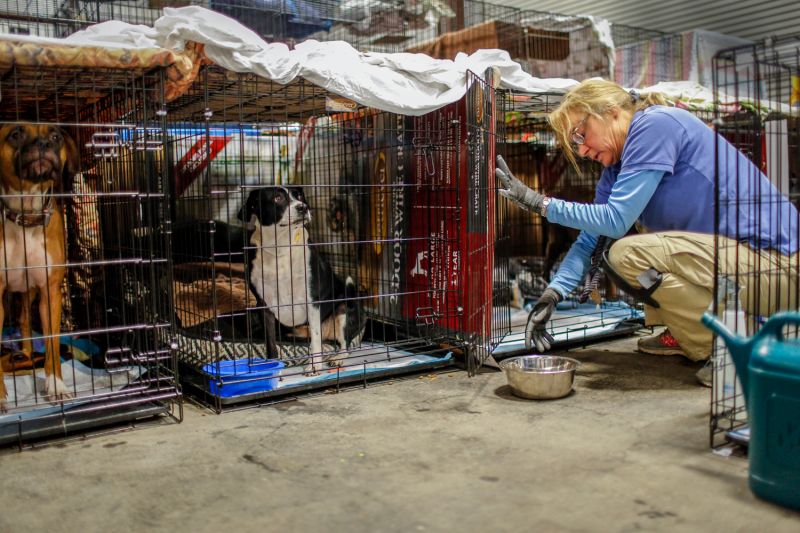
Shelters must prioritize:
- Stray animals
- Abused or neglected dogs
- Emergency confiscations
- Disaster rescues
When shelters are filled with owner-surrendered pets due to temporary circumstances, they have less room for urgent cases.
Military Dog Fostering in Virginia ensures that healthy, owned pets do not take up limited emergency capacity. This creates a ripple effect:
- Faster intake for at-risk animals
- Better medical attention
- Reduced stress levels
- More focused adoption efforts
It strengthens the entire animal welfare system.
3. Reducing Stress-Related Behavioral Decline
Overcrowded shelters can cause behavioral deterioration in dogs. Even well-adjusted pets may develop:
- Anxiety
- Reactivity
- Excessive barking
- Withdrawal
When a military dog is placed in a foster home instead of a shelter, they experience:
- A stable home environment
- Individual attention
- Routine and structure
- Socialization
Military Dog Fostering in Virginia prevents these dogs from entering high-stress shelter environments, reducing the likelihood that they develop behavioral issues that make adoption harder (if surrender were to occur later).
Prevention is always better than rehabilitation.
4. Supporting Military Families Prevents Long-Term Relinquishment
Military life can involve multiple relocations, sometimes across states or overseas. Organizations like United States Department of Defense frequently assign service members with limited notice.
Without fostering programs, families may permanently surrender pets due to:
- Housing restrictions
- Overseas transfer limitations
- Financial strain
Military Dog Fostering in Virginia provides a temporary bridge. Instead of permanent surrender, families maintain connection and reclaim their pets once stable housing or return assignments are secured.
This dramatically reduces the number of permanently surrendered animals entering Virginia shelters.
5. Strengthening Civilian–Military Community Bonds
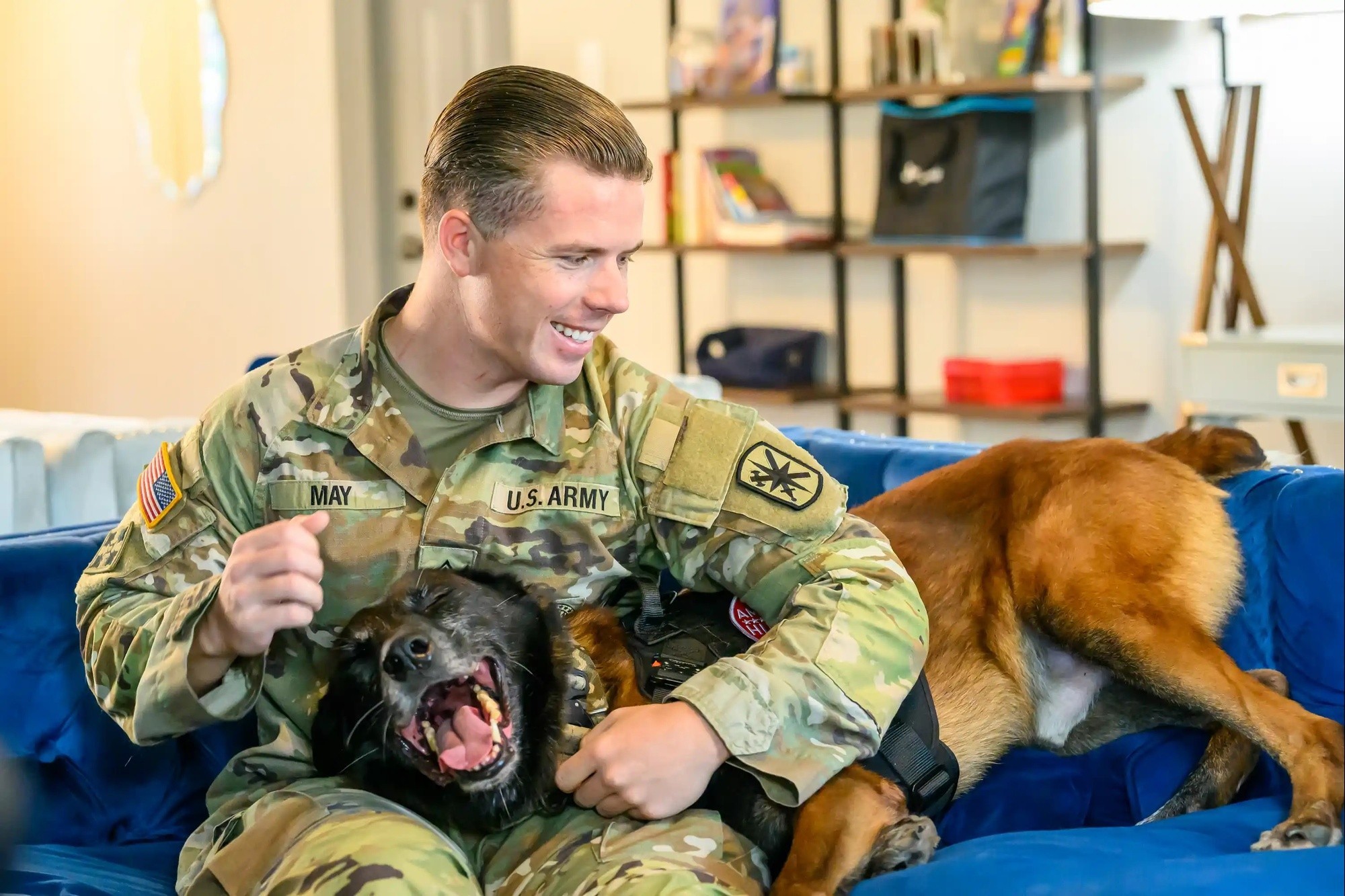
Military Dog Fostering in Virginia creates meaningful connections between civilians and service members.
When civilians open their homes to military pets:
- They directly support active-duty families
- They build local trust
- They become advocates for responsible pet care
Stronger community bonds reduce abandonment rates overall because support networks expand. When military families feel supported, they are far less likely to surrender pets to shelters during crises.
6. Lowering Financial Pressure That Leads to Surrender
Boarding a dog for six months to a year can be financially overwhelming. Long-term boarding costs often push families toward surrender when budgets are tight.
Military Dog Fostering in Virginia offers a more affordable or subsidized alternative. By reducing financial pressure:
- Families avoid desperation decisions
- Pets remain in private care
- Shelters avoid unnecessary intake
Economic stability directly impacts shelter populations.
7. Encouraging Responsible Pet Ownership Planning
Another overlooked benefit of Military Dog Fostering in Virginia is proactive planning. When service members know fostering programs exist, they:
- Create emergency pet plans
- Register with foster networks in advance
- Keep vaccination and medical records updated
Prepared owners are far less likely to resort to shelters in crisis situations. Planning reduces panic-based decisions that contribute to overcrowding.
8. Decreasing Rehoming Through Informal and Risky Channels
When no formal foster programs exist, some owners attempt:
- Online rehoming posts
- Informal handoffs
- Unscreened placements
These risky arrangements sometimes fail, resulting in dogs ending up in shelters anyway.
Military Dog Fostering in Virginia uses screening processes to ensure:
- Foster homes are vetted
- Care standards are maintained
- Reunification plans are clear
This structured approach prevents failed placements that eventually add to shelter intake numbers.
The Long-Term Impact on Virginia’s Shelter System
The cumulative effect of Military Dog Fostering in Virginia includes:
- Lower intake numbers
- Reduced euthanasia risk
- Better resource allocation
- Healthier shelter environments
- Stronger community engagement
Even if military-related surrenders represent a small percentage of total intake, every prevented surrender matters when shelters operate near capacity.
Why Virginia Is Especially Positioned for Success
Virginia is home to a significant military presence, including major installations and defense-related employment. With a strong civilian population and active volunteer culture, the state is well positioned to expand Military Dog Fostering in Virginia programs.
By integrating:
- Community volunteers
- Structured foster networks
- Military family outreach
- Clear legal agreements
Virginia can continue reducing strain on its animal shelter system while supporting those who serve.
Final Thoughts
Military Dog Fostering in Virginia is more than a compassionate service—it is a strategic solution to shelter overcrowding. By preventing unnecessary surrenders, reducing stress on shelter resources, and strengthening community support systems, these programs protect both pets and the broader animal welfare infrastructure.
When military families have reliable fostering options, shelters gain space, dogs experience stability, and communities grow stronger.
Supporting and expanding Military Dog Fostering in Virginia is not just about helping service members—it is about building a more sustainable, humane future for animals across the state.












Sign in to leave a comment.