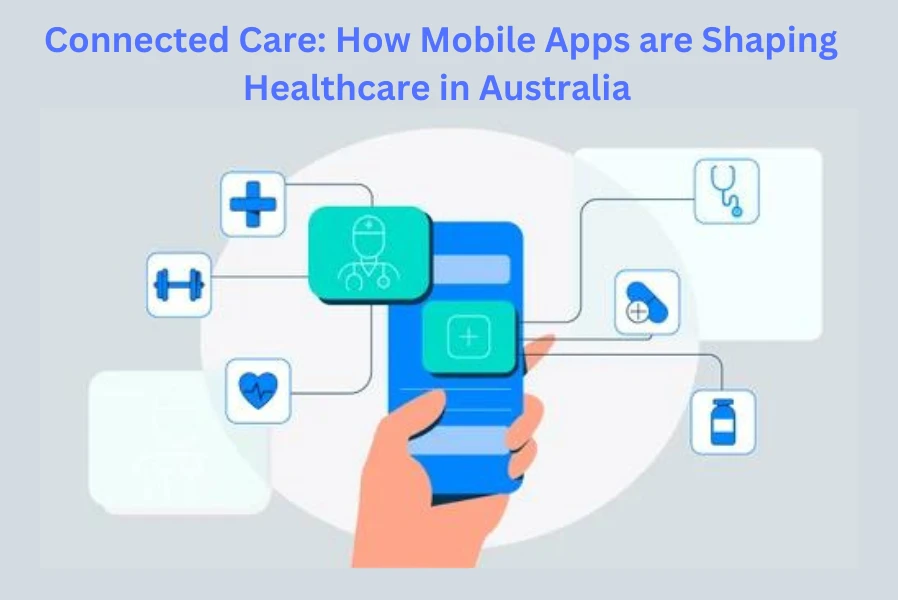

Mobile apps are not just for streaming movies, playing games, or connecting on social media; they are also forces for good. Healthcare mobile apps are changing the way patients connect with doctors or get better.
Let's take the example of Australia. In our own backyard, we have several agencies that support healthcare apps. Like ADHA has their own app where everyone can access their medical records, neat, right? That’s not all; NISA provides funding for any digital endeavour like health care.
They also encourage businesses to build mobile apps to manage chronic disease, mental health support, and medication adherence. The government itself supports TGA to regulate and monitor healthcare apps to make sure it's safe.
With these many initiatives, we can guess that demand is high for healthcare app development. Most people are always searching for something like this to maintain their day-to-day life and health. Who wouldn’t be right? Now, let's check out how mobile apps are important for the healthcare industry.
The Role of Mobile Apps in Healthcare
Enhanced Patient Access and Engagement
One of the most fascinating qualities of using mobile apps for health care is how easy it is to access their services. Patients can easily communicate with them and get information on medical and medicine schedules and adherence.
While on the subject of ease, it is a pain to book an appointment at a doctor's office, but with healthcare apps, we can easily schedule appointments, check medical records, and refill prescriptions. We can all do this while we can consult with a doctor, totally remotely. It will surely help patients in many ways.
Remote Patient Monitoring and Chronic Disease Management
Just like we mentioned above, we can do every task remotely, but at the same time, doctors can monitor patients remotely as well. This is helpful in many cases, such as patients who are suffering from chronic conditions like diabetes, hypertension and heart issues.
By using mobile apps, healthcare providers can easily keep track of their patient's vital signs. Not only that, but they can keep an eye on medication history and adherence along with overall health status from anywhere at any time; exciting, right? With mobile apps.
Healthcare providers can easily consult with patients to offer proactive care and early intervention, significantly improving patient outcomes.
Let's take an example of how this works: with remote monitoring, the healthcare provider can detect symptoms way before they become severe.
It will reduce the risk of complications, and patients won't need to be hospitalised more often. One of its biggest advantages is that patients can live in the comfort of their homes and receive treatments; we are sure it will improve their quality of life.
Personalised Health and Wellness Guidance
Healthcare mobile apps are your personal guide and doctors who can provide important wellness suggestions that can help everyone's needs and goals. It can track fitness activities and provide diet and nutrition advice for people who need it. Also, they can offer mental health support, which I personally love. It will promote healthy lifestyle choices and preventive care; who doesn’t want that?
Optimising Healthcare Processes
Everyone knows how messed up our healthcare system is, where patients must wait long to get accurate answers. Mobile apps can streamline healthcare operations by offering efficient ways to schedule appointments and manage healthcare records online.
A cyberattack always targets healthcare data, so it will offer a secure way to share data with an automated billing process. This will not only improve operational efficiency but, at the same time, reduce administrative burden and allow resource allocation.
Telehealth and Virtual Consultations
Telehealth and virtual consultation were a real lifesaver during covid scare. The pandemic is over, but we can reap the benefit of it as most Australians live far away from populated areas. It will allow patients to connect with healthcare providers remotely via video or audio calls. This will easily expand access to medical expertise for those with limited mobility or who live far away. It will reduce unnecessary visits; I mean, to be honest, who likes to spend a whole afternoon at the doctor's office, right?
Advantages of Using Mobile Apps in Healthcare
Accessibility and Convenience
Even for a developed country like Australia, healthcare issues are still one of the major problems. However, mobile healthcare apps have helped us by significantly improving accessibility. It will totally eliminate the geographical and time-related barriers. Apps like this offer round-the-clock access to healthcare information and services, which will help those who live in remote or underprivileged areas. Mobile apps help build a bridge between people who need access to healthcare and providers. For example, during covid 19, mobile app healthcare was very useful as they provided access to medical reports and information without the risk of going outside.
Personalisation and Engagement
Healthcare mobile apps offer us a choice we never thought we had: the choice to find apps that help you with your specific needs. They are not designed to be a one-size-fits-all solution, which is why they offer a high level of personalisation. Some of us need to know how to track our fitness goals, while others are looking for an easy way to manage their chronic condition. We can find an app for everything now, and with this personal touch, it will increase patients' engagement. This will allow everyone to take an interest in their health and get better, which is one of the main reasons why most businesses are investing in healthcare app development agencies nowadays.
Improved Communication
Have you ever felt like you are not heard when you visit your doctors, or they assume something entirely different the first time? Yes, it happens to all of us and can lead to big issues with medication and treatment. We can eliminate (or at least reduce) the chance of miscommunication with mobile healthcare apps. Patients can easily connect with expert medical professionals and share their issues. They can discuss their case in detail, which will lead to improved patient care and outcomes. Think about something critical: what happens when they mishear something? It will never happen with healthcare apps, which will save lives for sure.
Data Management and Decision Support
Most of us have read somewhere about data breaches; now, think about medical records; it will be disastrous for patients and healthcare organisations. However, with the latest technological advancements, mobile healthcare applications will act as gatekeepers. It will only allow patients to store and share their medical records with appropriate medical authorities. Healthcare providers can integrate electronic health records (EHR) with mobile apps, which can help them easily track patients and their records. It will make their life a little bit easier as they can quickly check patients' health and make the right decision.
Enhanced Diagnostics
Getting access to healthcare providers is not enough; we need a concrete solution to how it will help us. While there are many benefits for patients, we often forget diagnostic accuracy. Mobile healthcare apps will offer a wealth of medical knowledge and diagnostics tools for healthcare care providers. It will not only speed up the process, it will make sure the diagnostics are accurate. They can easily identify medical conditions easily and provide solutions quickly. It will offer invaluable insight into most complex cases and rare diseases, minimising misdiagnoses risk.
Streamlining Administrative Tasks
When we think about hospitals and clinics, we often picture mountains of paperwork. If we can do something about easing the administrative burden, it will surely help patients, and that’s what mobile apps do. It can manage appointments, record keeping, reminders and others. It will save a lot of time for both patients and healthcare professionals and allow them to focus their priority on helping us.
Types of Healthcare Mobile Apps
There are several types of mobile apps for healthcare in the market. Each serves a different purpose and offers its services to the people of Australia. Here is a table for various types of healthcare apps with examples.
Transformative Benefits of Healthcare Apps for the Industry
Improved Access to Care
It will improve access to healthcare more efficiently and easily. Patients can access medical professionals with telehealth and virtual visits. With just one tap, patients can contact their nearby doctors or talk to an expert, even if they are far away.
Real-Time Monitoring
Mobile healthcare application offers something that is really hard to find for patients: real-time monitoring. It means the doctors can continue to track the health of patients with wearable and other devices. They can track important health factors like heart rate, glucose level and others to help detect issues earlier.
Effective Patient Engagement
With all the information of the medical world at hand, patients can educate themselves with important information. Just like the brochure at the clinic, but in a more engaging and informative way. Patient’s involvement in their health will lead them to a better and healthier lifestyle.
Precision Medicine
As we discussed earlier, personalisation plus better data management is equal to correct diagnosis and precision medicine. This approach will ensure that patients receive the right treatment quickly and effectively, improving the outcome.
Medication Management
With healthcare mobile apps, patients can easily manage and maintain their medication. It will provide information about medication and reminders. This will reduce errors and allow healthcare professionals to collaborate with patients. With custom app development for healthcare, patients can just download an app that fits their needs, and it will help them with medication.
Preventative Health Measures
Apps for disease prevention and early detection provide lifestyle recommendations and encourage regular testing. They are concerned with prevention, promoting healthy populations, and decreasing the pressures on the healthcare system.
How can Healthcare Apps Address Australia's Unique Healthcare Challenges?
Overcoming Geographical Barriers
Australia is big; most people don’t understand the meaning of how big of a place this is until they visit. Every city is on the coast, but people who live in remote areas need access to medical services. They always need to go a long distance just to find a clinic or healthcare provider. However, with mobile healthcare apps, they can easily access those services. Patients can consult with doctors, use telehealth services, and have a meeting virtually. With the help of mobile technology in healthcare, we can help those who live far away and remotely.
Reaching Underserved Communities
No matter how much we try, some communities don’t get the benefits of our medical policies. These underserved communities still require access to healthcare professionals, and mobile apps can bridge this gap. We can build healthcare mobile apps that function in multiple languages so that we can help people from different cultures and backgrounds. Non-English speakers can access the information, which can help them understand the severity of the situation.
Tailored Solutions for Specific Needs
Mobile healthcare applications can target specific medical issues that are prominent in Australia. For example, 20.1% of the population is suffering from some kind of mental health issue, 12.5% from arthritis and 5.3% from type 2 diabetes. We can build mobile apps that target these conditions so that they can help more people in Australia. We can employ custom app development for certain health issues, and it will empower patients everywhere.
Integrating with the Healthcare Ecosystem
If we want to help more people with healthcare apps, we need to integrate them with the healthcare system. It means connecting with electronic health records so that they can manage it easily. It will also help healthcare providers find accurate patient information from a reliable source. Imagine a system where everyone has access to a better healthcare app and updates the status in one place for the future. It will change the way we think about health and improve personalised care.
Conclusion
We are leaps and bounds ahead of other countries when it comes to healthcare, but we still lack some basic functions and facilities. However, mobile apps are bringing the change. If you don’t believe me, let's check the report from insight10. It says that the Australian healthcare market will grow in the future from $796.32 million in 2022 to $6,444.96 million by 2030, registering a CAGR of 29.9% during the forecast period of 2022-2030. This growing demand also helps hospitals, clinics, and, most importantly, patients. In this blog, we have provided an in-depth overview of how mobile apps are helping the healthcare industry in Australia. Vrinsoft is one of the most reputable healthcare mobile app development companies in Melbourne, as they have successfully deployed several healthcare apps in the market. Consult with them today and create a healthy innovation for tomorrow.
Author Bio
I'm Maddison Cumbrae, a content creator focusing on the IT industry. With over seven years of experience in the field, I have written thought-provoking articles on digitalisation and technology. In my free time, I like to read books or go on a hike with my friends.










Sign in to leave a comment.