

As fleet costing and efficient operations become critical for the operations in the present day, fleets are leaning towards the use of real-time telematics for fleets to stay ahead of competitors. This technology is revolutionizing the way fleet managers track vehicles, optimize routes, and maintain driver safety. Companies that use data in real-time gain the power of better decision-making which translates to enhanced productivity and reduced costs.

• Improving Fleet Performance with Real-Time Data
Track Vehicles and Performance in Real-time One of the more impactful benefits realized from the introduction of real-time telematics in fleets is the instant anility of tracking vehicle location and performance. Fleet managers use GPS tracking to analyze current routes and modify them to dodge traffic jams or bad weather. This degree of visibility helps cut down on fuel usage and also allows for timely deliveries which leads to greater customer satisfaction.
Beyond outside GPS tracking, telematics systems collect essential information on things such as vehicle health, notifying managers of maintenance requirements before they escalate into expensive breakdowns. This proactive approach provides reliable fleet performance and reduces downtime through real-time diagnostics.
• Enhancing Driver Safety and Compliance
Fleet management relies heavily on driver behavior that determines fuel efficiency and vehicle longevity and safety. Companies can use real-time telematics for fleets and monitor speed, braking patterns, and idling times to detect risky driving behavior. Analyzing this data will enable managers to roll out focused training initiatives to encourage safer driving behavior.
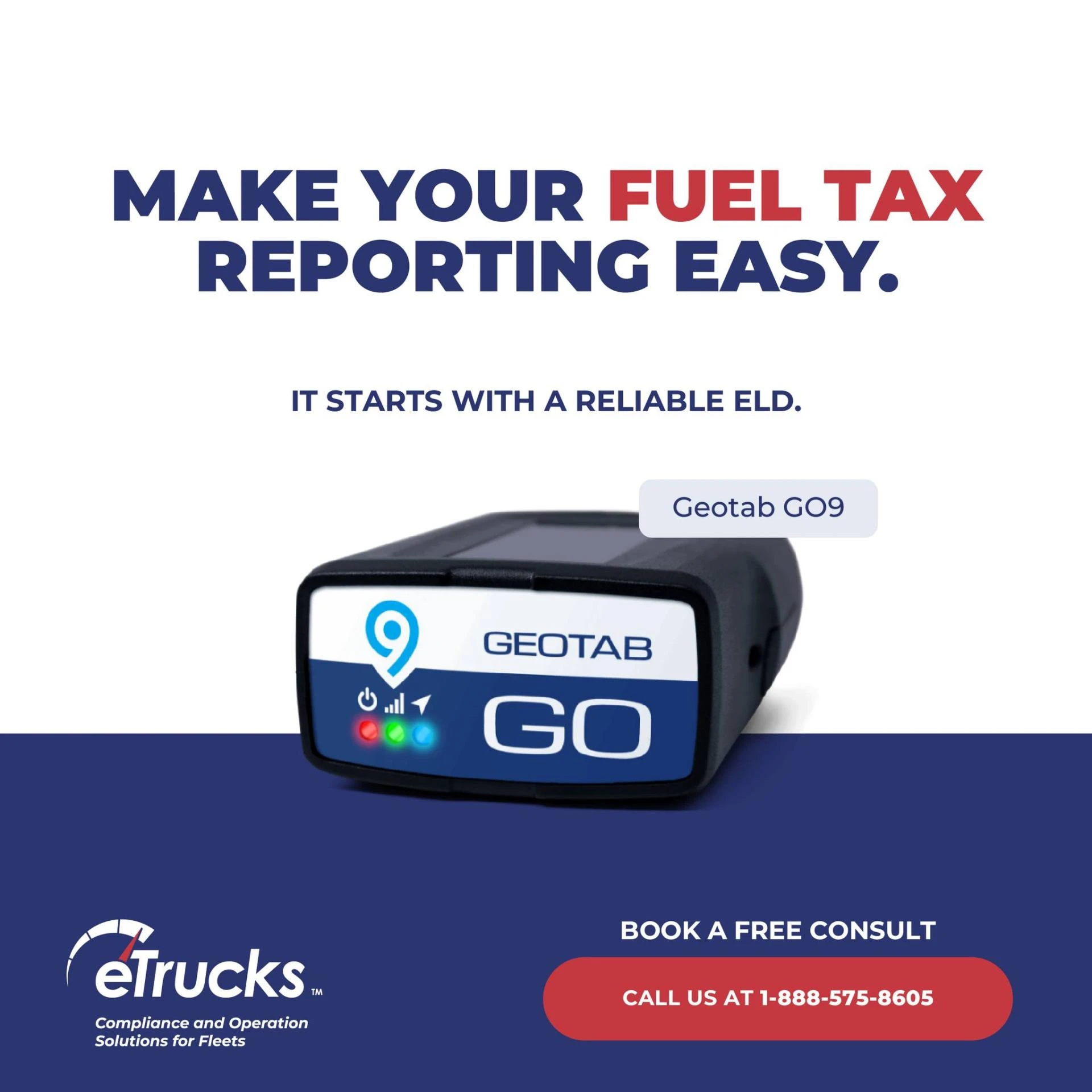
Also, real-time monitoring helps ensure compliance with regulations such as the Electronic Logging Device (ELD) mandate. Automated logging can alleviate administrative burdens while at the same time ensuring that drivers comply with mandated hours-of-service limits, thus helping to prevent fatigue-related crashes.
• By Reducing Decisions Based on Intuition
Fuel cost is a significant operational expense for any fleet operation. Telematics solutions help businesses improve fuel consumption through analysis of excessive idling, ineffective routing and driving styles that waste fuel. It helps fleet managers to identify and devise strategies to save on fuel usage, resulting in billions in savings over time.
Moreover, fleet telematics has improved safety monitoring and compliance, yet insurance companies commonly offer discounts to fleets who employ it. Lower accident rates and better vehicle maintenance lead to lower insurance premiums, making telematics a smart investment.
• What to expect in fleet telematics in the future
Fleet telematics will continue to evolve towards increasingly advanced, real time telematics over the next few years as evidenced by the trend. Machine Learning and Artificial Intelligence (AI) will play an increasing role in predictive analytics, which helps fleets predict when they will require maintenance and optimize overall operations process. Moreover, 5G networks will help implement data transmission with a higher speed used for the faster tracking of the PNT and subsequent actions performed on devices in the market.
Because fleets of all sizes continually seek ways to improve their efficiency, implementing telematics technology is more a requirement than an option nowadays. Real-time telematics solutions: Revolutionizing the future of fleet operations with improvement in efficiency, safety, and cost management. Businesses that adopt this technology now will set themselves up for long-term success in an ever-competitive arena.
To know more about, Truck Load Board. please visit our website: etrucks.com.
























Sign in to leave a comment.