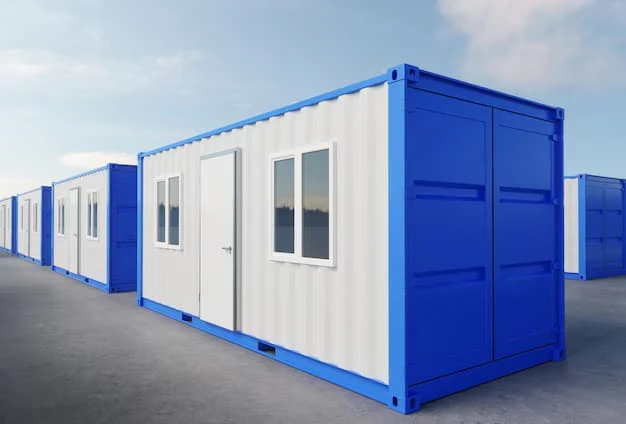

The nature of work has changed dramatically in recent years. Businesses are no longer confined to fixed locations or rigid office layouts. Instead, flexibility, adaptability, and efficiency have become essential elements of successful work environments. As organizations respond to shifting workforce expectations, project based operations, and evolving space requirements, modular containers have emerged as a powerful solution.
Modular containers provide a practical and innovative way to create workspaces that can adapt to change. By combining structural durability with design versatility, these container based solutions support modern work environments across a wide range of industries. From offices and collaboration hubs to remote work facilities, modular containers are helping organizations rethink how and where work takes place.
Understanding Modular Containers in the Context of Workspaces
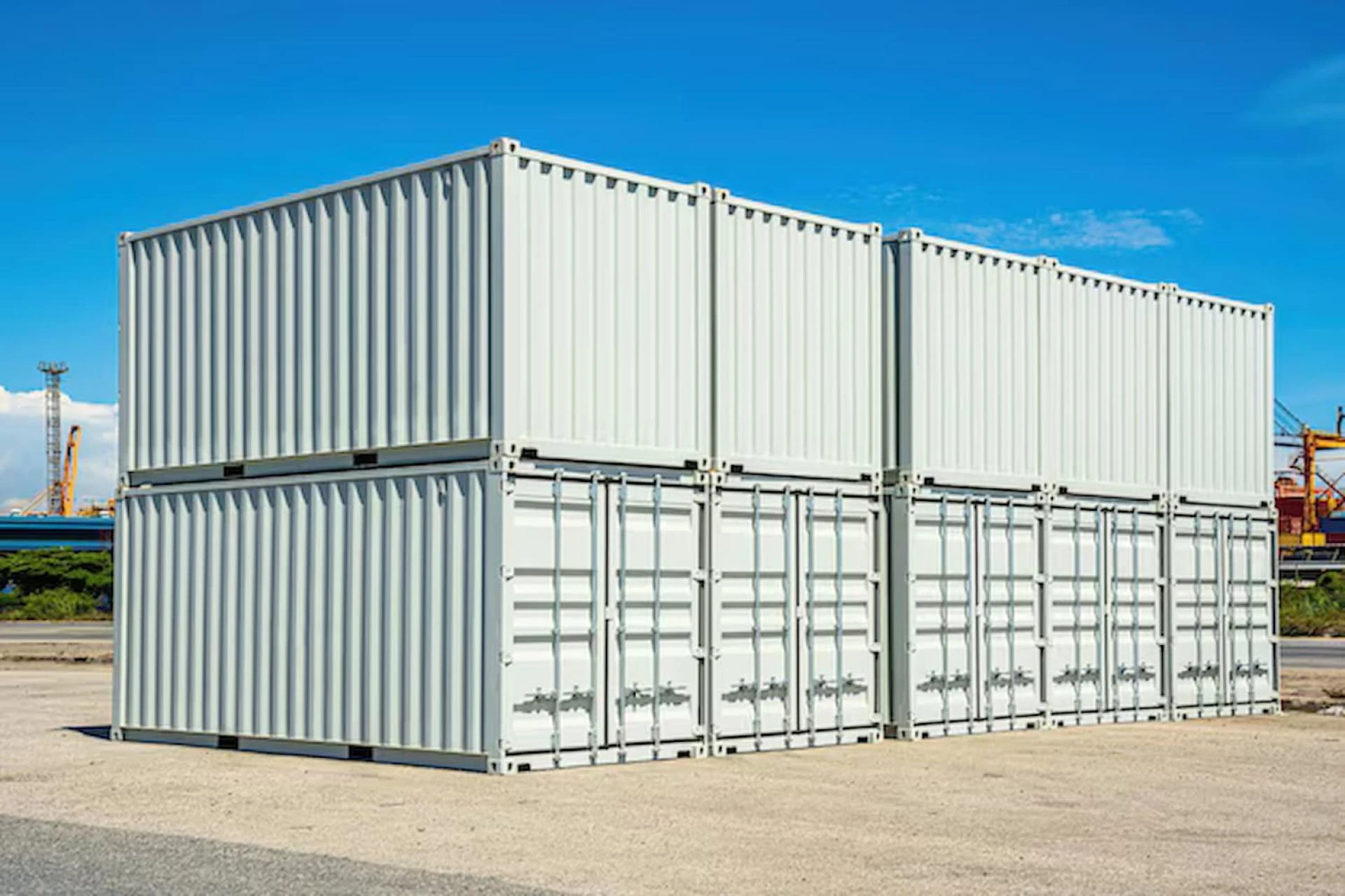
Modular containers are standardized units that can be converted into functional spaces and combined in various configurations. Originally designed for transport and storage, containers are now widely used as building blocks for work environments due to their strength, portability, and adaptability.
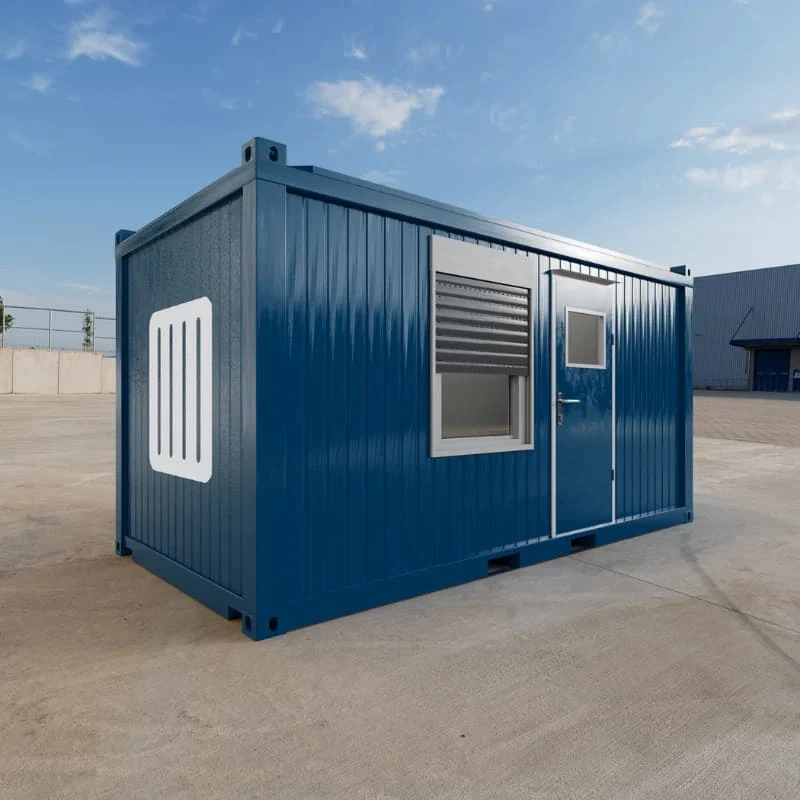
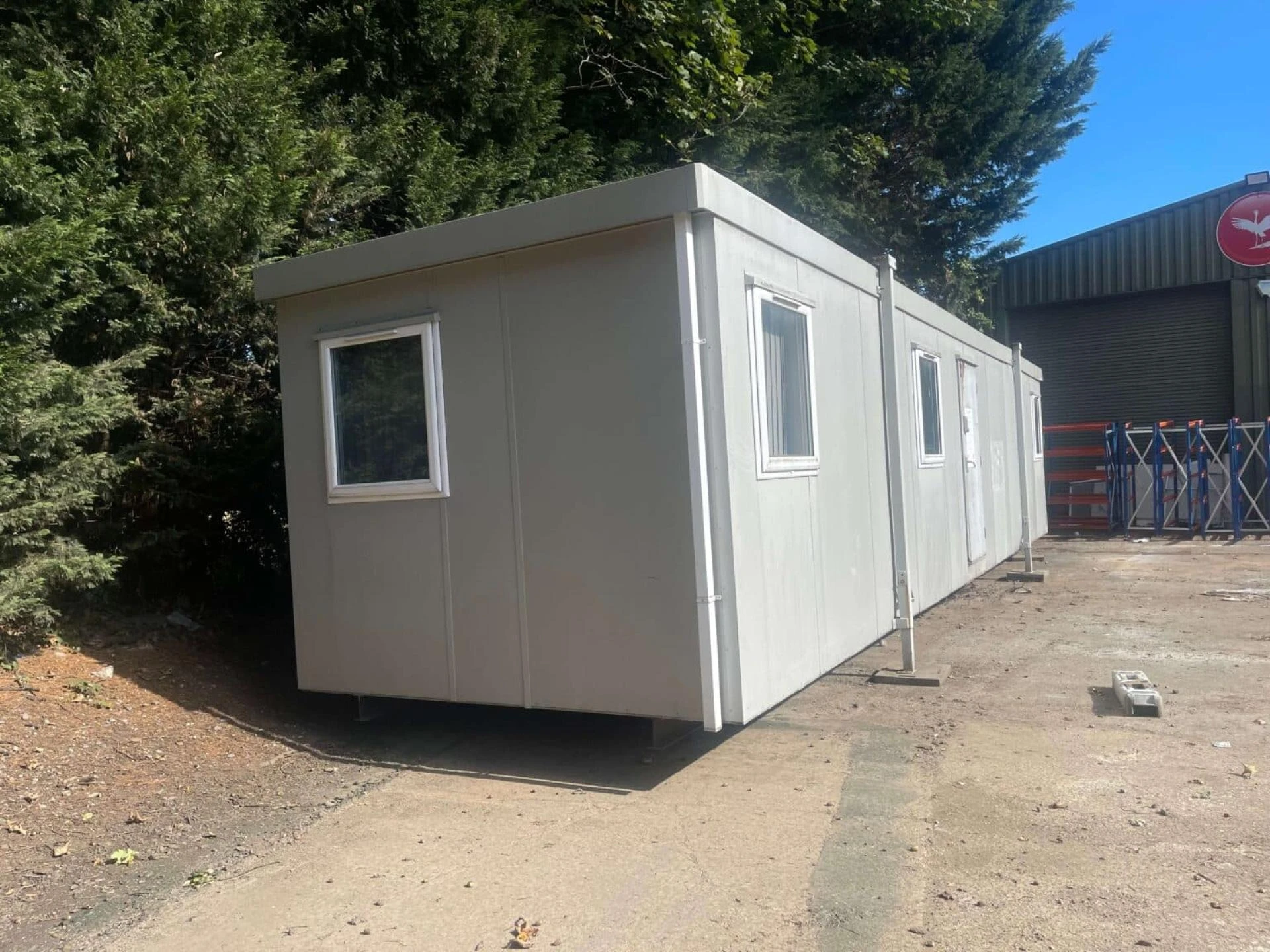
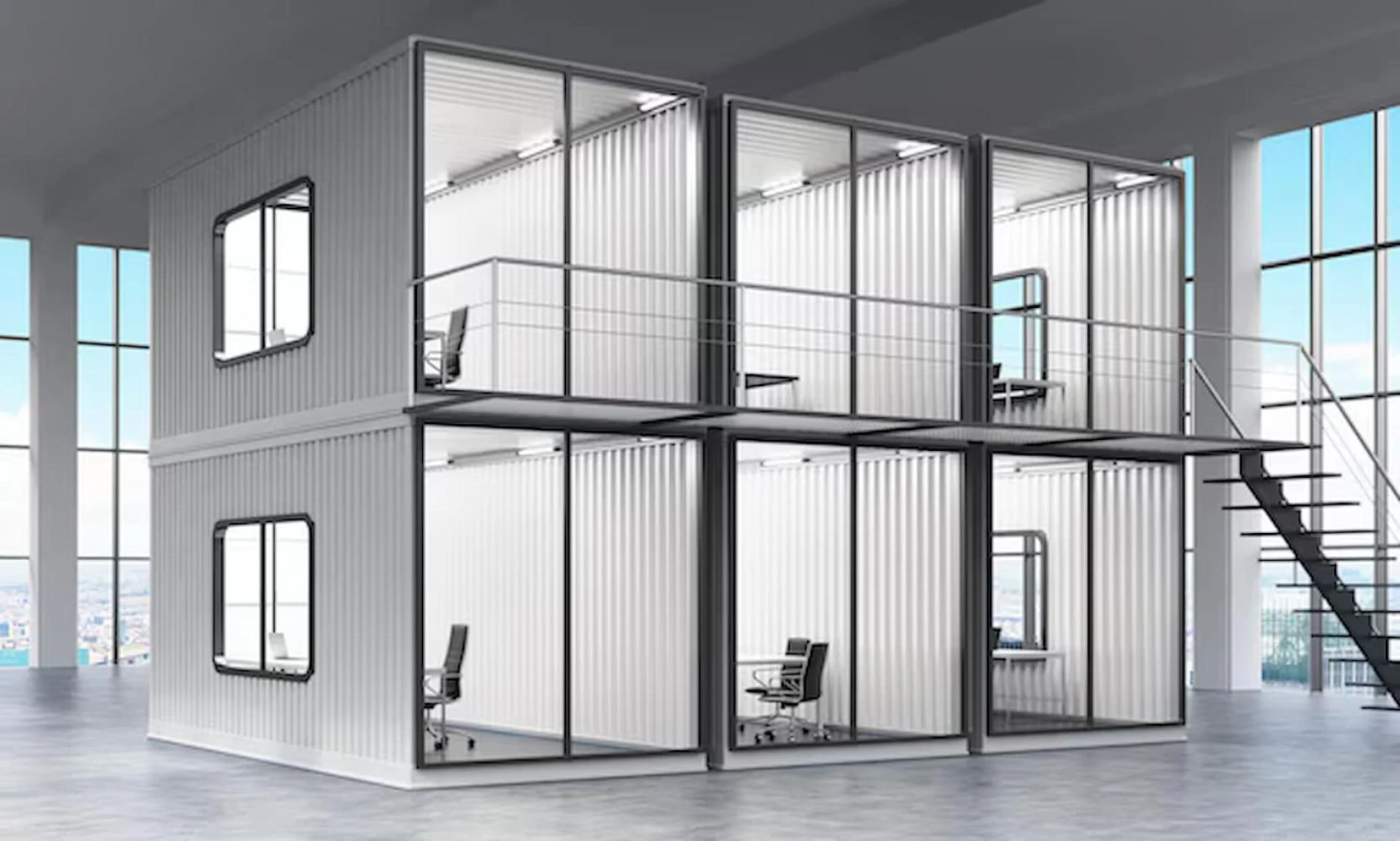
When used as workspaces, modular containers are fitted with insulation, lighting, power systems, and interior finishes that create comfortable and professional environments. They can be used individually or connected together to form larger complexes, depending on the needs of the organization.
The modular nature of these containers allows businesses to design spaces that can evolve over time. This adaptability is particularly valuable in an era where change is constant and workspace requirements are rarely static.
The Growing Demand for Flexible Work Environments
Changing Work Patterns and Expectations
Remote work, hybrid models, and flexible schedules have reshaped how people work. Employees now expect workspaces that support collaboration, focus, and wellbeing, whether they are on site or working remotely.
Traditional offices often struggle to accommodate these changing expectations. Modular containers offer a flexible alternative by allowing organizations to create spaces that align with modern working styles.
Project Based and Temporary Operations
Many industries operate on a project basis, with teams moving between sites or locations. Construction, engineering, events, and infrastructure projects all require temporary yet functional work environments.
Modular containers are well suited to these scenarios. They can be deployed quickly, relocated as needed, and reused for future projects, making them an efficient solution for temporary operations.
The Need for Rapid Expansion and Adaptation
Business growth can be unpredictable. Organizations may need to expand their workspace quickly to accommodate new staff, equipment, or services.
Modular containers support rapid expansion by allowing additional units to be added with minimal disruption. This scalability enables businesses to respond to opportunities without the delays associated with traditional construction.
Key Benefits of Modular Containers for Work Environments
Flexibility and Scalability
One of the most significant advantages of modular containers is their flexibility. Units can be added, removed, or reconfigured as needs change.
This scalability allows organizations to start small and grow over time. Whether expanding an office, creating new meeting spaces, or adding welfare facilities, modular containers make it easy to adjust the workspace.
Mobility and Relocation
Modular containers are designed to be moved. This mobility supports businesses that operate across multiple sites or require temporary facilities.
Work environments created from modular containers can be relocated without losing their functionality or investment value. This is particularly beneficial for organizations that frequently change locations or operate in remote areas.
Cost Efficiency
Creating workspaces using modular containers can be more cost effective than traditional construction. The use of standardized units reduces material waste and construction time.
Because much of the work can be completed off site, labor costs and delays are minimized. Over time, the ability to reuse and reconfigure containers further enhances their cost effectiveness.
Design Adaptability for Modern Work Needs
Customizable Interior Layouts
Modular containers can be customized to support a wide range of work activities. Interiors can be designed for open plan offices, private workstations, meeting rooms, or collaborative spaces.
Partitions, furniture, and fittings can be adjusted to suit specific workflows. This level of customization ensures that the workspace supports productivity and efficiency.
Supporting Collaboration and Focus
Flexible work environments need to balance collaboration and concentration. Modular containers can be arranged to create distinct zones for different activities.
Open areas encourage teamwork and idea sharing, while enclosed spaces provide privacy for focused tasks or meetings. This zoning supports diverse work styles within a single environment.
Integration of Technology
Modern workspaces rely heavily on technology. Modular containers can be equipped with power, data connectivity, and smart systems to support digital workflows.
Planning for technology integration from the outset ensures that the workspace remains functional and adaptable as technology evolves.
Enhancing Employee Wellbeing and Productivity
Comfort and Environmental Control
A comfortable workspace is essential for employee wellbeing. Modular containers can be insulated and fitted with climate control systems to maintain a pleasant indoor environment.
Proper ventilation, lighting, and temperature control contribute to focus and productivity, regardless of external conditions.
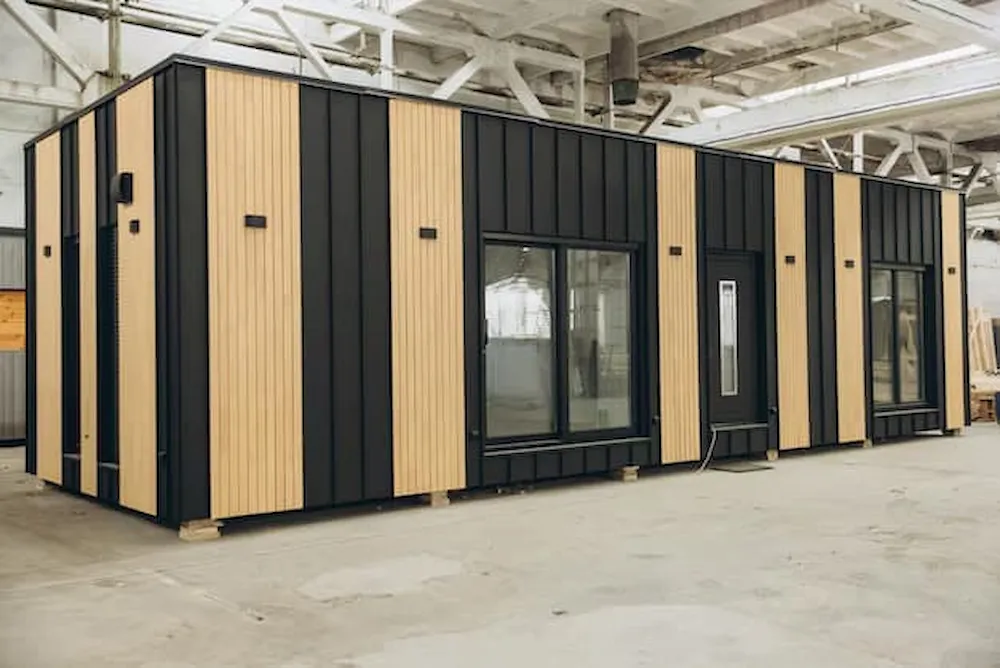
Natural Light and Aesthetic Design
Natural light plays an important role in creating a positive work environment. Windows and glazed doors can be incorporated into modular container designs to enhance brightness and openness.
Interior finishes, colors, and furnishings can be selected to create an inviting atmosphere that supports morale and engagement.
Quiet and Safe Working Conditions
Modular containers can be designed to reduce noise and provide a safe working environment. This is especially important in busy or industrial settings.
Sound insulation and secure construction help create spaces where employees can work effectively without unnecessary distractions.
Applications of Modular Containers Across Industries
Offices and Administrative Spaces
Modular containers are widely used as offices for businesses of all sizes. They provide professional environments that can be tailored to administrative, managerial, or creative functions.
Their flexibility makes them ideal for organizations that need to adapt their office space over time.
Remote and On Site Work Facilities
For remote locations or on site operations, modular containers offer a practical solution. They can be deployed quickly and provide essential facilities such as offices, meeting rooms, and welfare spaces.
This capability supports efficient operations in locations where traditional buildings would be impractical.
Training and Learning Environments
Modular containers can be configured as training rooms or learning spaces. Their adaptability allows organizations to create environments that support education, skill development, and collaboration.
As training needs change, the layout and configuration of the space can be adjusted accordingly.
Sustainability and Responsible Workspace Solutions
Reduced Environmental Impact
Using modular containers for work environments supports sustainability by repurposing existing materials and reducing construction waste.
The ability to reuse and relocate containers extends their lifespan and minimizes the need for new building materials.
Energy Efficient Design
Modular containers can be designed with energy efficiency in mind. High quality insulation, efficient lighting, and modern climate systems help reduce energy consumption.
These features support environmentally responsible practices while also lowering operating costs.
Long Term Value of Modular Containers
Durability and Reliability
Containers are built to withstand harsh conditions, making them durable and reliable as workspaces. With proper maintenance, modular container environments can provide long term service.
This durability adds to their value as a flexible workspace solution.
Adaptability for Future Needs
The future of work is uncertain, but modular containers offer a level of adaptability that prepares organizations for change. Spaces can be reconfigured, expanded, or relocated as requirements evolve.
This future ready approach helps businesses remain agile and resilient.
Conclusion
Modular containers play a vital role in supporting flexible work environments by offering adaptability, mobility, and cost efficiency. They enable organizations to create workspaces that respond to changing needs, support modern work patterns, and promote employee wellbeing. From offices and training spaces to remote and temporary facilities, modular containers provide a practical and sustainable solution for today’s dynamic work landscape.
For organizations seeking expertly designed modular container solutions that align with modern workspace requirements, Halletts Spaces delivers tailored expertise and high quality solutions that support flexibility, productivity, and long term value.
























Sign in to leave a comment.