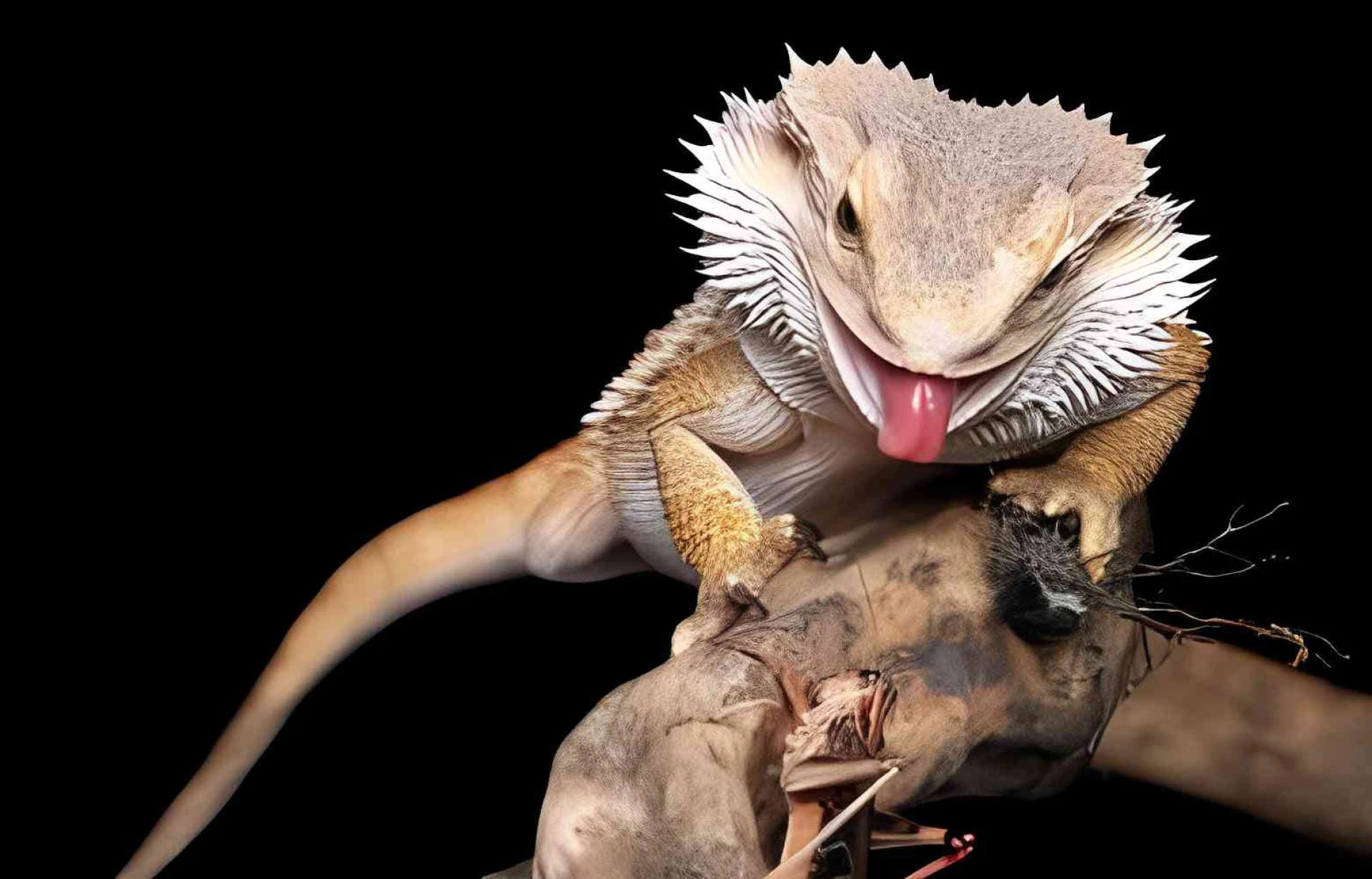

Are you considering getting a bearded dragon as a pet? One of the most important questions you may have is "How much does a bearded dragon eat?" Well, you've come to the right place. In this complete guide, we will delve into the dietary needs of these fascinating reptiles and provide you with all the information you need to ensure your bearded dragon is well-nourished and healthy.
From the types of food they eat to the frequency of their meals, we will cover it all. Whether you're a first-time owner or a seasoned reptile enthusiast, this guide will serve as a valuable resource to help you understand the nutritional requirements of your bearded dragon. We'll also address common feeding challenges and provide tips on how to ensure your pet is getting the right balance of nutrients.
So, if you want to learn more about how much a bearded dragon eats, grab a cup of tea and get ready to dive into the fascinating world of reptilian nutrition.
Understanding The Diet Of a Bearded Dragon
Bearded dragons are omnivorous reptiles, which means they eat both plant matter and small prey. In the wild, their diet consists of insects, vegetation, and occasional small animals. As pet owners, it is our responsibility to replicate their natural diet as closely as possible.
A well-balanced diet is crucial for the overall health and longevity of your bearded dragon. Providing them with the right combination of nutrients ensures proper growth, strong immune function, and good digestive health. Understanding their dietary needs is the first step towards providing optimal nutrition for your scaly friend.
The diet of a bearded dragon changes as they grow and mature. Hatchlings and young dragons require more protein than adults, while adult dragons need a greater proportion of plant matter in their diet. It's important to tailor their diet to their specific life stage to meet their nutritional requirements.
How Much Do Bearded Dragons Eat?
The amount of food a bearded dragon eats depends on several factors, including its age, size, and activity level. Younger dragons have higher metabolisms and require more frequent feedings compared to adults. As a general guideline, a bearded dragon should eat approximately 20% of its body weight in food per day.
For example, if you have a 100-gram bearded dragon, it should consume around 20 grams of food daily. This can be divided into two to three feedings throughout the day. It's important to note that this is just a rough estimate, and individual dragons may have different appetites and needs. Monitoring your dragon's weight and overall health will help you determine if you are feeding them the right amount.
Overfeeding can lead to obesity and various health issues, while underfeeding can result in malnutrition and stunted growth. It's essential to strike a balance and adjust the quantity of food based on your dragon's individual needs. Regularly consulting with a reptile veterinarian can also provide valuable guidance in monitoring and adjusting your dragon's diet.
Feeding Schedule For Bearded Dragons
Establishing a regular feeding schedule for your bearded dragon is important for their overall well-being. While younger dragons require more frequent meals, adult dragons can be fed once or twice a day. It's crucial to maintain consistency and feed them around the same time every day.
For hatchlings and juvenile dragons, feeding them three to four times a day is recommended. Their high metabolism and rapid growth require more frequent meals. As they mature, you can gradually reduce the number of feedings to twice a day.
Adult bearded dragons can be fed once or twice a day, depending on their appetite and activity level. Some dragons may prefer to eat smaller meals more often, while others may prefer larger meals less frequently. Observe your dragon's behavior and adjust their feeding schedule accordingly.
It's important to note that feeding should be done during daylight hours, as bearded dragons are diurnal creatures. Feeding them in the morning or early afternoon allows them to digest their food properly before their nighttime rest. Avoid feeding them right before bedtime, as this can disrupt their sleep and digestion.
What Do Bearded Dragons Eat?
Bearded dragons have specific dietary requirements that need to be met to ensure their health and well-being. A well-rounded diet for a bearded dragon consists of both animal protein and plant matter.
The primary source of animal protein for bearded dragons is insects. Crickets, mealworms, and dubia roaches are popular choices. These insects should be gut-loaded, meaning they are fed a nutritious diet before being offered to your dragon. This ensures that your dragon receives the maximum nutritional benefit from the insects.
In addition to insects, bearded dragons can also be fed small amounts of other animal protein sources such as pinky mice or silk worms. These should be offered sparingly, as they are high in fat and can lead to obesity if overfed.
Along with animal protein, bearded dragons require a variety of vegetables and fruits to meet their nutritional needs. Leafy greens like collard greens, mustard greens, and dandelion greens are excellent choices. Other vegetables such as bell peppers, carrots, and squash can also be included in their diet. Fruits like berries and melons can be offered as occasional treats due to their high sugar content.
A bearded dragon bite is typically a mild and infrequent occurrence, as these docile reptiles are known for their calm demeanor. However, it's essential to understand that they may bite in certain situations, such as feeling threatened or mistaking a finger for food. Bearded dragon bites are generally not painful, and their small teeth rarely break the skin. These bites are more akin to a gentle nip and are often a result of stress, fear, or discomfort.
Live Food Options For Bearded Dragons
Live insects provide essential protein and enrichment for bearded dragons. They simulate the thrill of hunting and help satisfy their natural instincts. There are several types of live insects that can be offered to your dragon, each with its own nutritional profile.
Crickets are a staple food for bearded dragons. They are readily available, affordable, and easy to maintain. Crickets should be no larger than the space between your dragon's eyes to prevent choking hazards. They should also be dusted with a calcium supplement before feeding to provide additional calcium and vitamin D3.
Mealworms are another popular choice, especially for younger dragons. They are high in fat and should be fed sparingly. Mealworms can be offered as a treat or as a supplement to the main diet. It's important to note that mealworms have a hard exoskeleton, which may be difficult for young dragons to digest. Monitor your dragon's stools and adjust accordingly.
Dubia roaches are becoming increasingly popular as a feeder insect for bearded dragons. They have a higher protein content compared to crickets and are easier to digest. Dubia roaches are also less likely to carry parasites, making them a safer option for your dragon. They should be appropriately sized and gut-loaded before feeding.
Other live insects that can be offered to your bearded dragon include phoenix worms, silk worms, and hornworms. Each insect has its own nutritional benefits, and it's a good idea to provide a variety to ensure a well-rounded diet for your dragon. Remember to dust the insects with a calcium supplement to prevent calcium deficiency.
Vegetables and Fruits For Bearded Dragons
Vegetables and fruits play a crucial role in a bearded dragon's diet, providing essential vitamins, minerals, and fiber. Incorporating a variety of vegetables and fruits into their diet ensures they receive a balanced nutritional profile.
Leafy greens are an excellent source of vitamins A and K, as well as calcium. Collard greens, mustard greens, and dandelion greens are highly recommended. These greens should be chopped into small, manageable pieces to prevent choking hazards. Rotate between different greens to provide variety and avoid any potential nutrient imbalances.
Other vegetables that can be included in your dragon's diet include bell peppers, carrots, butternut squash, and green beans. These vegetables should be cooked or lightly steamed to aid digestion and increase nutrient availability. Avoid seasoning the vegetables with salt, spices, or butter, as these can be harmful to your dragon.
Fruits should be offered sparingly as treats due to their high sugar content. Berries like blueberries, raspberries, and strawberries can be given occasionally. Melons such as cantaloupe and watermelon can also be included in small quantities. Remove any seeds or pits from the fruits before offering them to your dragon.
It's important to note that vegetables and fruits should be thoroughly washed before feeding to remove any pesticides or chemicals. Organic produce is preferred whenever possible to minimize exposure to harmful substances.
Supplements For a Balanced Diet
Supplements play a crucial role in ensuring your bearded dragon receives all the necessary nutrients. Despite offering a variety of foods, it can be challenging to provide a perfectly balanced diet solely through natural sources. That's where supplements come in.
Calcium is one of the most important supplements for bearded dragons. It is necessary for proper bone growth and overall health. Calcium supplements should be dusted onto insects before feeding. Look for supplements that contain both calcium and vitamin D3, as vitamin D3 aids in calcium absorption.
Multivitamin supplements are also beneficial, as they provide a wide range of vitamins and minerals. These supplements should be used sparingly, typically once or twice a week. Avoid over-supplementing, as it can lead to health issues. Always follow the recommended dosage instructions on the supplement packaging.
It's important to note that supplements should not replace a balanced diet. They should be used as a complement to natural food sources. Providing a variety of insects, vegetables, and fruits is still crucial for your dragon's health. Regularly consulting with a reptile veterinarian can help you determine the specific supplement needs of your bearded dragon.
Feeding Tips and Considerations
Feeding your bearded dragon can be an enjoyable and rewarding experience. However, there are a few tips and considerations to keep in mind to ensure the best possible feeding routine for your scaly friend.
Firstly, always provide fresh, clean water for your bearded dragon. They may not drink much water, but it's important to have it available at all times. Use a shallow dish that is easy for them to access and clean it regularly to prevent bacterial growth.
When feeding insects to your dragon, it's essential to ensure they are the appropriate size. Insects should be no larger than the space between your dragon's eyes to prevent choking hazards. Younger dragons may require smaller insects, while adults can handle larger prey.
Gut-loading insects is an important step in providing optimal nutrition for your dragon. Gut-loading involves feeding the insects a nutritious diet before offering them to your pet. This ensures that your dragon receives the maximum nutritional benefit from the insects. Common gut-loading foods include leafy greens, carrots, and commercial gut-loading products.
Dusting insects with calcium supplements is crucial for preventing calcium deficiency. Calcium supplements should be used at every feeding, except when using insects that have already been gut-loaded with calcium. The insects should be lightly coated in the supplement before being fed to your dragon.
Conclusion
Feeding a bearded dragon the right amount and variety of food is crucial for their overall health and well-being. Understanding their dietary needs and providing a well-balanced diet ensures proper growth, strong immune function, and good digestive health. From insects to vegetables and fruits, each component of their diet plays a vital role in meeting their nutritional requirements.
Remember to tailor their diet to their specific life stage and monitor their weight and overall health to ensure they are receiving the right amount of food. Regular veterinary check-ups, along with a well-rounded diet and appropriate supplementation, will help you provide the best care for your bearded dragon.
So, whether you're a new bearded dragon owner or an experienced reptile enthusiast, now you have a comprehensive guide on how much a bearded dragon eats. Enjoy the journey of feeding and nurturing your scaly friend, and witness the joy they bring to your life as they thrive on a healthy and nutritious diet.









Sign in to leave a comment.