
Planning to invest in an Industrial Conveyor System? Before requesting quotations, it's important to understand what actually influences the price. Conveyor systems are customised solutions, and their cost depends on several technical and operational factors. This guide explains everything you should know before investing.
What You'll Learn in This Guide
- Why conveyor system prices vary from one project to another
- The 7 major factors that influence conveyor system cost
- Which conveyor type offers the best value for your business
- Hidden expenses many buyers overlook
- Tips to get an accurate quotation from a Conveyor System Manufacturer
Why There Is No Fixed Price for an Industrial Conveyor System
One of the most common questions businesses ask is, "How much does an Industrial Conveyor System cost in India?" The answer isn't straightforward because no two production facilities have exactly the same material handling requirements.
Unlike standard machinery, Conveyor Systems are often designed to match a factory's workflow, available floor space, product type, and production capacity. This means the final cost depends on the level of customisation, the conveyor type, and the operational requirements of the business.
For example, a simple belt conveyor used in a packaging unit will have different design requirements than a heavy-duty chain conveyor installed in a steel manufacturing plant. Similarly, a Truck Loading Conveyor for a logistics warehouse involves different specifications than a conveyor used in food processing or pharmaceuticals.
Instead of comparing prices alone, businesses should focus on selecting a conveyor system that delivers reliable performance, supports future expansion, and reduces long-term operating costs.
7 Factors That Affect the Cost of an Industrial Conveyor System
Before requesting a quotation, it's helpful to understand what contributes to the overall project cost. Knowing these factors allows you to compare proposals more effectively and choose a solution that offers long-term value rather than simply the lowest price.
1. Type of Conveyor System
The type of conveyor you choose is one of the biggest factors affecting the overall cost.
Different industries require different conveyor designs based on the products being transported and the production process.
Some of the most commonly used Industrial Conveyor Systems include:
- Belt Conveyors for smooth transportation of cartons, packages, and lightweight products.
- Roller Conveyors for warehouses, logistics centres, and distribution facilities.
- Chain Conveyors for heavy-duty industrial applications.
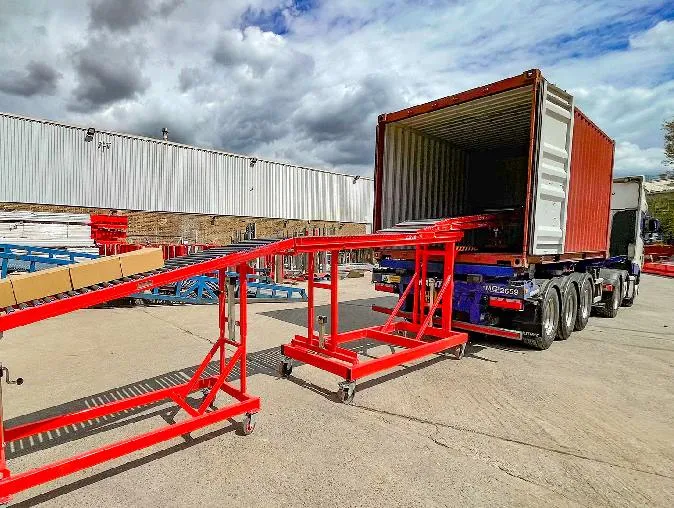
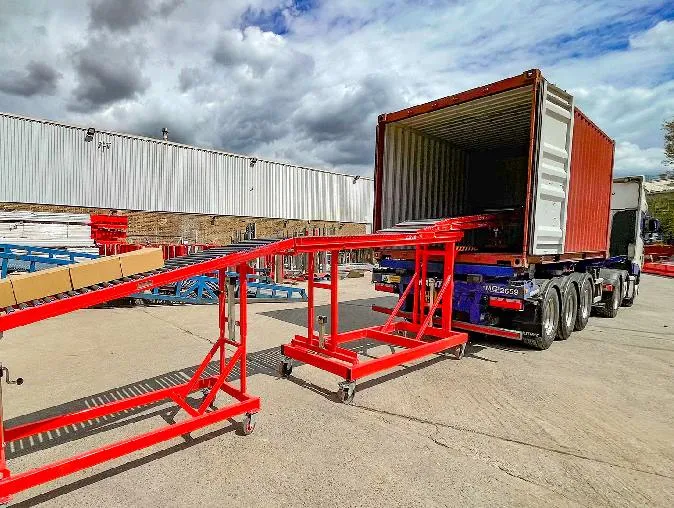
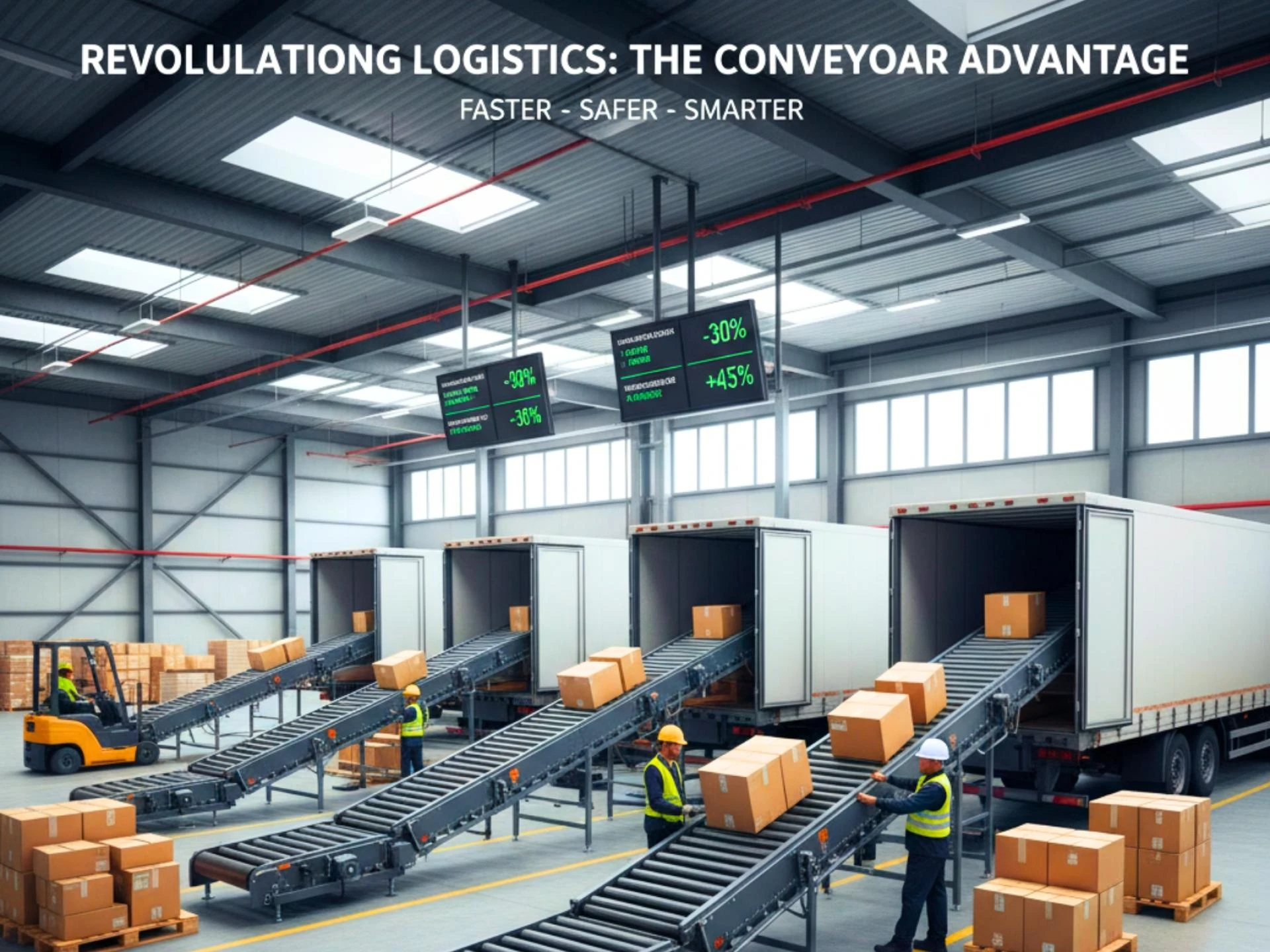
- Truck Loading Conveyors for faster loading and unloading operations.
Each conveyor type has different engineering requirements, components, and manufacturing costs.
2. Conveyor Length and Width
The dimensions of a conveyor system directly influence material consumption, structural design, motor selection, and installation complexity.
A longer conveyor generally requires additional support structures, rollers, drive units, and electrical components. Similarly, wider conveyors designed to handle larger products may require stronger frames and higher-capacity motors.
Choosing the correct dimensions based on your production requirements helps optimise both performance and project cost.
3. Load Capacity
Every conveyor system is designed to transport a specific weight safely and efficiently.
A conveyor handling lightweight cartons requires a different structural design than one transporting heavy machinery, metal components, or industrial pallets.
Higher load capacities often require:
- Stronger conveyor frames
- Heavy-duty rollers or chains
- More powerful motors
- Enhanced safety features
Selecting the right load capacity ensures reliable operation while preventing unnecessary wear and maintenance issues.
4. Material and Build Quality
The materials used to manufacture a conveyor system significantly impact its durability, maintenance requirements, and lifespan.
For example:
- Mild Steel (MS) conveyors are commonly used for general industrial applications.
- Stainless Steel (SS) conveyors are preferred in food processing, pharmaceuticals, and hygienic environments where corrosion resistance is essential.
High-quality bearings, motors, conveyor belts, and structural components may increase the initial investment but often reduce maintenance costs and improve long-term reliability.
Expert Tip: A durable conveyor system usually delivers a better return on investment than a cheaper system requiring frequent repairs.
5. Automation and Smart Features
Modern manufacturing facilities increasingly integrate conveyor systems with automation technologies to improve productivity and operational control.
Additional features such as:
- Variable speed drives
- PLC controls
- Sensors
- Barcode scanners
- Automatic product sorting
- Emergency safety systems
can increase the overall project cost but also improve efficiency, reduce manual labour, and support future expansion.
Businesses planning long-term growth should consider automation compatibility during the initial investment rather than upgrading later.
Which Conveyor System Is Best for Your Business?
Choosing the right Conveyor System depends on your industry, the type of material you handle, production capacity, and operational goals. Instead of selecting a conveyor based on popularity or initial cost, focus on how well it supports your day-to-day operations and future business growth.
Belt Conveyor
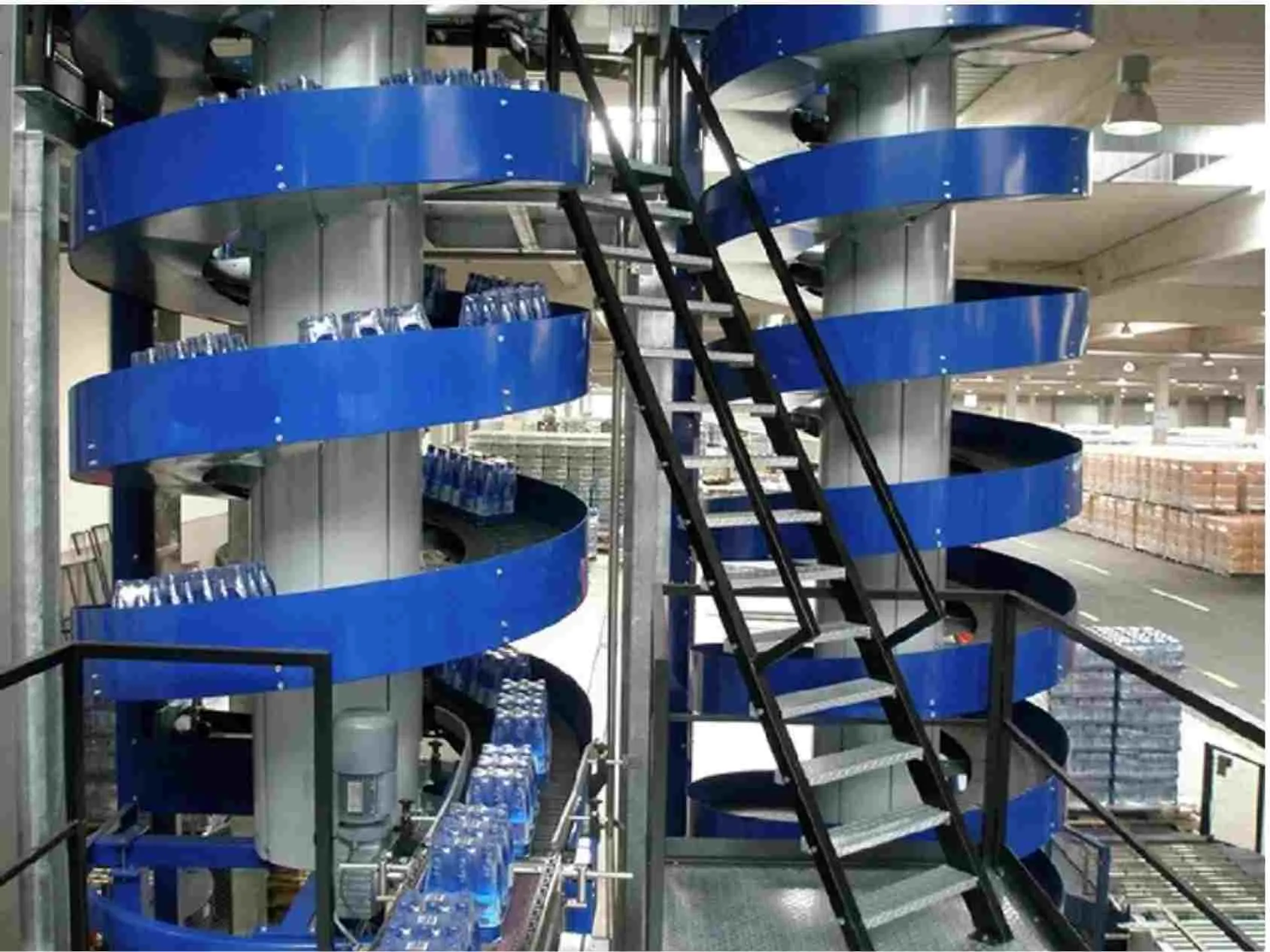
A Belt Conveyor is one of the most versatile and widely used Industrial Conveyor Systems. It is ideal for transporting cartons, packaged goods, lightweight components, and finished products smoothly across production lines. Industries such as packaging, food processing, pharmaceuticals, FMCG, and manufacturing often prefer belt conveyors because they provide continuous movement, reduce manual handling, and improve productivity.
Roller Conveyor
A Roller Conveyor is best suited for warehouses, distribution centres, and logistics operations where cartons, boxes, and pallets need to be moved efficiently. Available in gravity and powered configurations, roller conveyors simplify material handling, speed up order processing, and minimise labour requirements, making them a practical choice for modern warehouse operations.
Chain Conveyor
For businesses handling heavy machinery, steel components, automotive parts, or industrial pallets, a Chain Conveyor offers exceptional strength and durability. It is specifically designed for heavy-duty applications where high load capacity and reliable performance are essential. Manufacturing plants, engineering industries, and automotive facilities commonly use chain conveyors for demanding production environments.
Truck Loading Conveyor
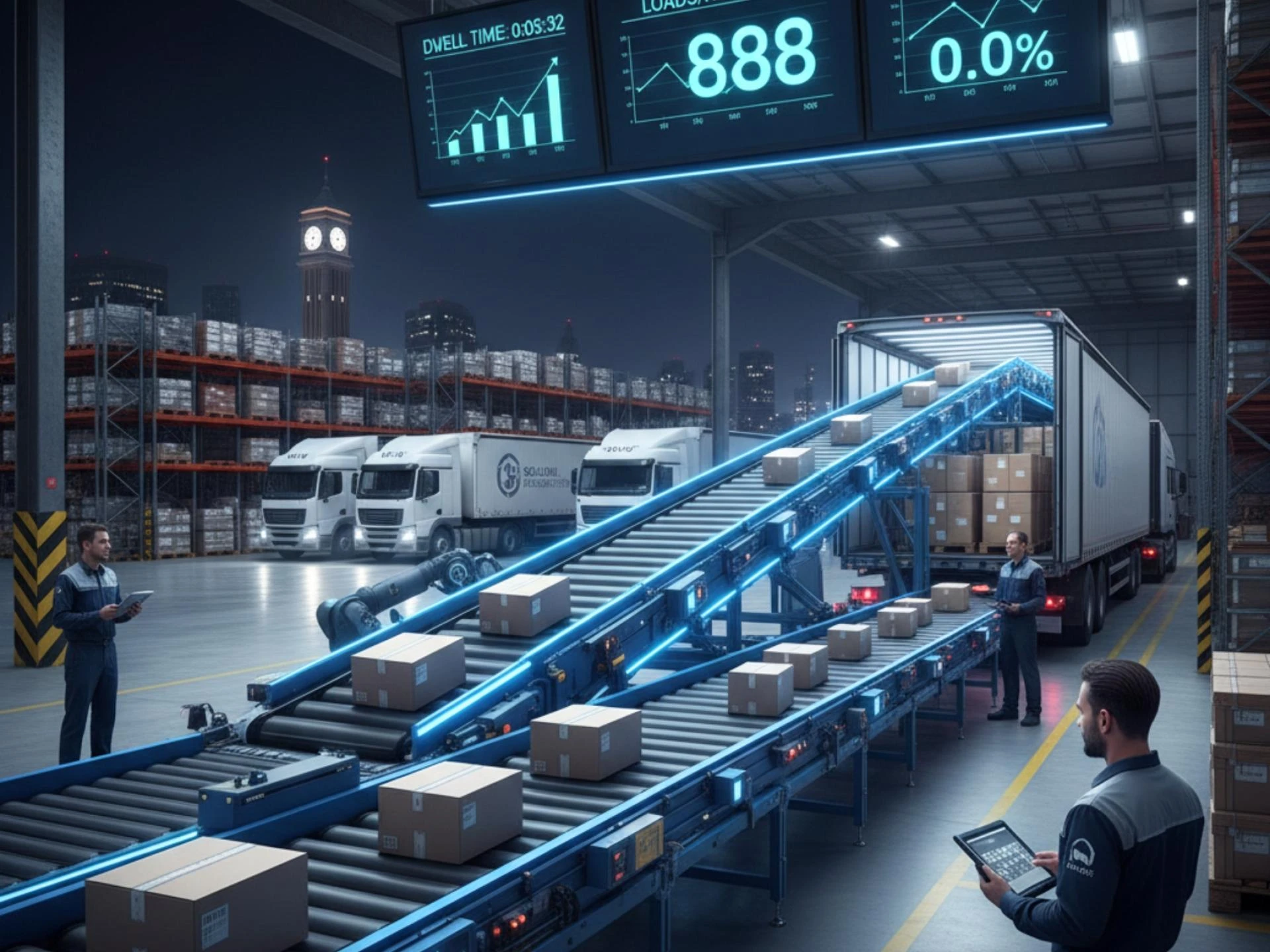
A Truck Loading Conveyor is designed to make loading and unloading operations faster, safer, and more efficient. It significantly reduces manual effort while improving productivity in warehouses, courier hubs, logistics companies, and e-commerce fulfilment centres. Businesses that handle high shipment volumes often choose truck loading conveyors to minimise turnaround time and streamline dispatch operations.
How to Make the Right Choice
There is no single conveyor system that works for every business. The best solution depends on factors such as the type of product being transported, production volume, available floor space, automation requirements, and future expansion plans. Consulting an experienced Conveyor System Manufacturer helps ensure you invest in a solution that improves operational efficiency, supports business growth, and delivers long-term value rather than simply meeting your immediate needs.
Expert Insight: The right conveyor system is not necessarily the most expensive or the most advanced. It is the one that integrates seamlessly with your workflow, reduces operational bottlenecks, and helps your business operate more efficiently for years to come.
6. Installation and Commissioning Costs
The cost of an Industrial Conveyor System doesn't end with manufacturing. Installation, testing, and commissioning are equally important to ensure the system performs efficiently from day one.
Installation costs can vary depending on several factors, including:
- Conveyor length and complexity
- Site accessibility
- Number of installation engineers required
- Electrical integration
- Testing and commissioning
- Operator training
Working with an experienced Conveyor System Manufacturer that provides end-to-end installation support helps minimise delays and ensures your equipment is installed the first time correctly.
Pro Tip: Always ask whether installation, transportation, and commissioning are included in the quotation to avoid unexpected expenses later.
7. Customisation Requirements
No two production facilities operate in exactly the same way. That's why many businesses choose customised Conveyor Systems instead of standard models.
Customisation may include:
- Adjustable conveyor height
- Curved conveyor layouts
- Variable speed controls
- Side guides
- Product sensors
- Safety enclosures
- Special belt materials
- Stainless steel construction
- Integration with existing production lines
Although customised systems may have a higher initial investment, they often deliver better productivity, improved workflow, and lower operating costs over time.
Hidden Costs Many Buyers Overlook
When comparing quotations, many businesses focus only on the purchase price. However, several additional factors can affect the overall cost of ownership.
Before making your decision, consider:
Maintenance Costs
Low-quality components may require frequent servicing and replacement, increasing long-term operating expenses.
Spare Parts Availability
Ask whether essential spare parts are readily available. Long waiting periods can lead to costly production downtime.
Energy Consumption
Energy-efficient motors and well-designed conveyor systems help reduce electricity consumption over the equipment's lifespan.
Future Upgrades
If your production capacity is expected to grow, choose a conveyor system that can be expanded without replacing the complete setup.
Before You Request a Quotation
Preparing the right information before contacting Conveyor Manufacturers helps you receive faster and more accurate proposals.
Keep These Details Ready
- Type of product or material to be transported
- Product dimensions and weight
- Required conveyor length and width
- Daily production capacity
- Factory layout or available installation space
- Required conveyor speed
- Indoor or outdoor application
- Future expansion plans
- Automation requirements, if any
Providing these details allows the manufacturer to recommend a conveyor system that matches your operational needs rather than offering a generic solution.
Why Businesses Choose Dynamic Industrials
Choosing the right Conveyor System Manufacturer is about more than purchasing equipment. It is about working with a partner who understands your production goals and delivers solutions that support long-term business growth.
At Dynamic Industrials, every Industrial Conveyor System is designed after carefully evaluating the customer's workflow, material handling requirements, and available space. Rather than offering standard products, the focus is on delivering customised solutions that improve productivity, reduce manual handling, and optimise operational efficiency.
From Belt Conveyors and Roller Conveyors to Chain Conveyors and Truck Loading Conveyors, each project is engineered to meet industry-specific requirements. Combined with professional installation, responsive technical support, and reliable after-sales service, businesses receive a complete material handling solution that delivers lasting value.
Frequently Asked Questions
1. What is the cost for an industrial conveyor system?
The cost depends on several factors, including conveyor type, dimensions, load capacity, material, automation features, installation requirements, and the level of customisation. Since every project is unique, most manufacturers provide customised quotations after understanding your operational requirements.
2. Which factors influence conveyor system pricing the most?
The biggest cost factors include the type of conveyor, conveyor length, load capacity, build material, automation features, installation complexity, and any customised design requirements.
3. Is a customised Conveyor System worth the investment?
Yes. A customised conveyor system is designed specifically for your production process and factory layout. It often improves productivity, reduces manual handling, and minimises operational bottlenecks, resulting in better long-term value.
4. Which Conveyor System is best for warehouses?
Roller Conveyors and Truck Loading Conveyors are widely used in warehouses and logistics facilities because they improve product movement, speed up loading and unloading operations, and reduce manual effort.
5. How can I get an accurate quotation for a customised industrial conveyor as per my requirements?
Prepare details such as product type, load capacity, conveyor dimensions, production volume, factory layout, and automation requirements before contacting a Conveyor System Manufacturer. The more information you provide, the more accurate the proposed solution will be.
Final Thoughts
Investing in an Industrial Conveyor System is about more than comparing prices. It's about selecting a solution that improves efficiency, supports future growth, and delivers reliable performance for years to come.
By understanding the factors that influence conveyor system costs, businesses can make informed decisions and avoid unexpected expenses. Whether you operate a manufacturing plant, warehouse, logistics centre, or packaging facility, choosing the right conveyor system based on your operational requirements will provide greater value than simply choosing the lowest quotation.
Before making your final decision, compare manufacturers based on engineering expertise, product quality, customisation capabilities, and after-sales support. A well-designed conveyor system is an investment that contributes directly to productivity, safety, and long-term operational success.
Ready to Discuss Your Conveyor System Requirements?
Every business has unique material handling challenges, and finding the right solution starts with understanding your process.
Dynamic Industrials designs and manufactures customised Industrial Conveyor Systems for manufacturing, warehousing, logistics, packaging, food processing, and many other industries. Whether you require a Belt Conveyor, Roller Conveyor, Chain Conveyor, or a Truck Loading Conveyor, our team is ready to recommend a solution that fits your production goals and budget.
Contact Dynamic Industrials today to discuss your requirements and receive a customised conveyor solution designed for efficiency, reliability, and long-term performance.






















![Shree Cement Meghalaya: How the East Jaintia Hills Plant Fits India's Broader ESG and Infrastructure Story [2026 Analysis]](/data/post/1879196/4e74a8127e2559c80afa4d2f.webp)

Sign in to leave a comment.