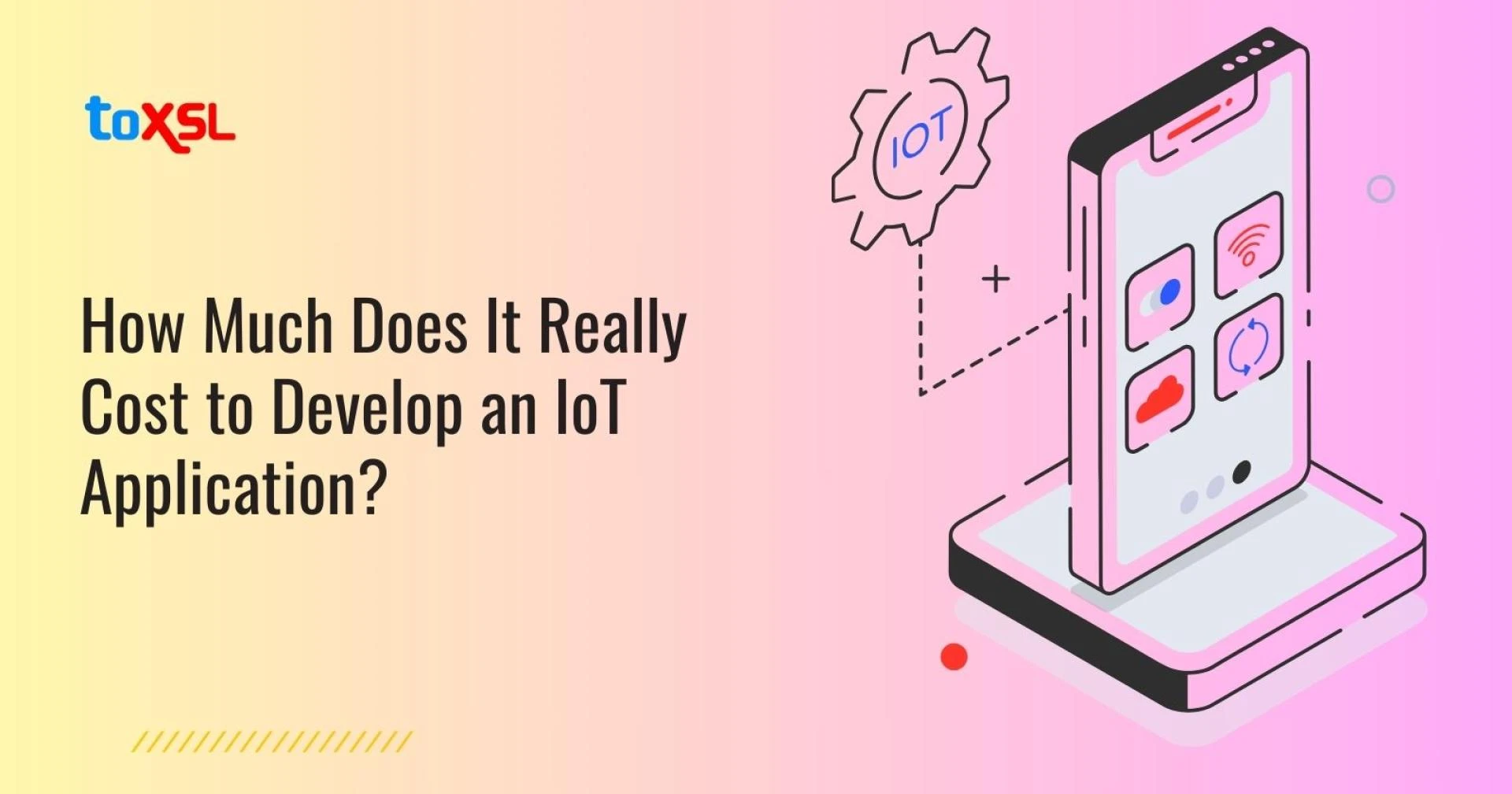
The Internet of Things (IoT) has become a transformative force, revolutionizing industries and reshaping everyday life. From smart homes to connected healthcare devices, IoT applications are now integral to many sectors. However, businesses considering the development of an IoT application often face a common question: How much does it really cost to develop an IoT application?
The cost of developing an IoT application varies significantly depending on a range of factors, including the complexity of the application, the platform it targets, the features it includes, and the expertise of the development team. In this article, we will delve deep into the components that determine the cost of IoT app development, providing a comprehensive overview for businesses planning to invest in this technology.
Understanding the Key Factors Influencing IoT App Development Costs
1. Complexity of the IoT Application
One of the most significant factors affecting the cost of an IoT application is its complexity. IoT applications can range from simple devices that track data to sophisticated systems that integrate multiple devices and provide real-time analytics. The more complex the application, the higher the development cost.
For example, an IoT app designed to monitor the temperature of a single device will cost significantly less than an application that integrates sensors, cloud storage, and real-time analytics across multiple devices. Applications that require high-level features such as artificial intelligence (AI) or machine learning (ML) will also have a higher cost due to the expertise required to build and maintain these advanced features.
2. Hardware Requirements
IoT apps typically rely on hardware devices such as sensors, gateways, and actuators to collect and transmit data. The type of hardware involved plays a critical role in determining the overall cost of development. Custom-designed hardware components can increase the cost significantly, especially if they need to be tailored to the specific needs of the application.
If your IoT app involves the development of specialized hardware, such as smart home devices or wearable sensors, the cost of the hardware will be a significant portion of the total cost. Additionally, the integration of the hardware with the software adds another layer of complexity and expense.
3. Development Team Expertise
The experience and expertise of the development team also play a crucial role in determining the cost of an IoT application. Skilled developers with expertise in IoT technologies, such as embedded systems, cloud computing, and data security, are in high demand, and their services come at a premium.
Moreover, the cost of the development team will vary depending on their location. For example, a development team based in the United States or Western Europe may charge significantly higher rates compared to teams located in Eastern Europe or Asia. Therefore, businesses must consider the trade-off between the cost of the development team and the quality of the end product.
4. Platform and Compatibility
IoT applications can be designed to work on a variety of platforms, including mobile devices, web applications, and cloud platforms. The platform compatibility of the application can have a major impact on development costs. Developing an mobile app that supports multiple platforms, such as both Android and iOS, will naturally increase the cost compared to a single-platform application.
Moreover, IoT applications often need to be compatible with various operating systems, devices, and protocols. Ensuring that the app functions seamlessly across different platforms and devices can require additional development time and resources, further increasing costs.
5. Integration with Other Systems
Many IoT applications need to integrate with third-party systems, such as existing enterprise software, cloud platforms, or other IoT devices. This integration can significantly impact the development process and cost.
For example, integrating IoT applications with enterprise resource planning (ERP) systems, customer relationship management (CRM) tools, or cloud-based services like AWS or Azure requires specialized knowledge and can add complexity to the development process. These integrations often require additional testing, troubleshooting, and ongoing maintenance, all of which contribute to higher development costs.
6. Data Security and Privacy
Data security is one of the most critical considerations in IoT app development. IoT applications collect and transmit sensitive data, making them potential targets for cyber-attacks. As a result, implementing robust data security protocols and encryption is essential, but it comes at a cost.
The security measures required for IoT applications vary depending on the nature of the data being collected and the industry in which the app is being used. For example, healthcare-related IoT applications that deal with patient data must comply with strict regulations such as HIPAA in the United States, which can increase the development cost due to the need for compliance and security features.
7. Ongoing Maintenance and Updates
IoT apps require ongoing maintenance and updates to ensure they continue to function effectively as new devices, sensors, or platforms emerge. The cost of maintaining an IoT application can be significant, particularly for large-scale systems that operate in real-time.
Updates may involve bug fixes, security patches, and compatibility updates for new devices and platforms. Businesses should factor in these ongoing costs when planning for the total cost of ownership of an IoT application.
Breakdown of Costs for Developing an IoT Application
Now that we’ve covered the key factors that influence the cost, let’s break down the cost structure for developing an IoT application:
1. Initial Development Costs
- Software Development: This includes the cost of designing, developing, and testing the software. The software development process typically accounts for 30-40% of the total cost.
- Hardware Development: If the IoT app requires custom hardware, the cost of designing and manufacturing the hardware can be a significant portion of the total cost. This may account for 20-30% of the total cost, depending on the complexity.
- Integration with Third-Party Systems: The integration process typically makes up 10-15% of the overall cost, especially if the app needs to interact with other systems or devices.
2. Recurring Costs
- Cloud Services: Many IoT apps rely on cloud platforms for data storage, processing, and analytics. The cost of cloud services can vary depending on the volume of data being processed, the complexity of the analytics, and the pricing model of the cloud provider. Cloud services typically account for 5-10% of the ongoing costs.
- Maintenance and Support: As mentioned earlier, IoT apps require continuous maintenance and support to ensure they remain functional and secure. The maintenance costs can vary widely depending on the complexity of the application but typically account for 10-20% of the total cost.
- Updates and Enhancements: Over time, new features, security updates, and device compatibility improvements will be needed. These costs will add to the ongoing development budget.
3. Location-Based Pricing
The location of your development team can have a major impact on costs. Here’s a general breakdown:
- United States & Western Europe: Development costs typically range from $150 to $300 per hour.
- Eastern Europe: Development costs are generally lower, ranging from $50 to $150 per hour.
- Asia & India: Development costs are the most affordable, typically ranging from $25 to $75 per hour.
Conclusion
The cost of developing an IoT application is influenced by many factors, including the complexity of the application, the hardware requirements, the expertise of the development team, platform compatibility, and ongoing maintenance costs. It’s important for businesses to thoroughly evaluate these factors when planning their IoT development projects to ensure they allocate the appropriate resources.
In summary, while the initial development of an IoT app can be expensive, the long-term benefits in terms of efficiency, innovation, and data-driven insights can far outweigh the initial costs. By understanding the various components that contribute to the overall cost, businesses can make informed decisions and plan their budgets accordingly for IoT app development.
If you want to read more information about how to boost traffic on your Website just visit -->















Sign in to leave a comment.