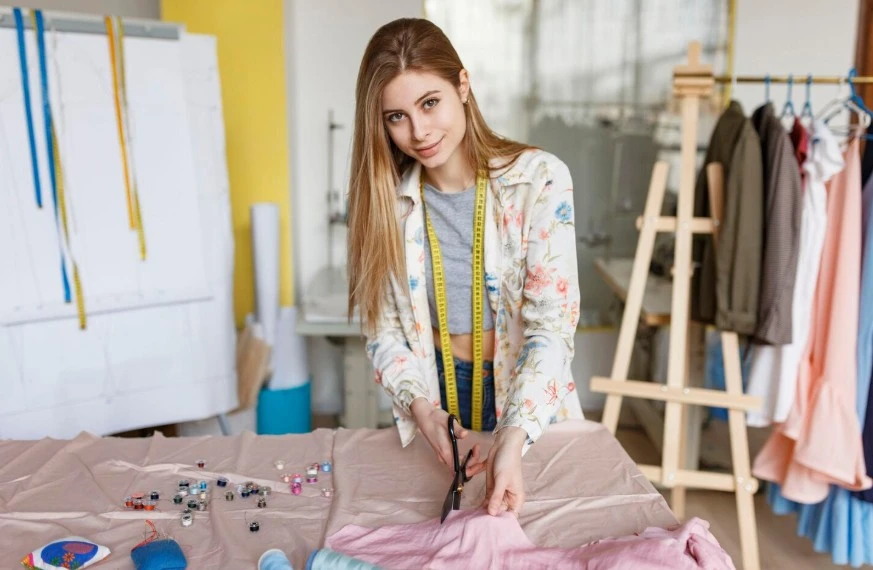

The world of fashion is constantly evolving, and understanding fashion designer salary trends is crucial for aspiring and seasoned designers alike. Salaries in this creative industry vary widely depending on factors such as experience, geographic location, industry sector, and specific technical skills. In 2026, the industry has seen a notable shift, with digital design expertise and knowledge of AI-assisted tools becoming key determinants of earning potential.
Average Salary Ranges by Experience
Experience is one of the most influential factors affecting fashion designer salary. Entry-level designers, typically with less than two years of professional experience, can expect to earn between $40,000 and $55,000 annually. These positions often focus on assisting senior designers, producing sketches, and learning the operational aspects of fashion design.
For mid-level designers with 3–7 years of experience, salaries generally range from $55,000 to $85,000 per year. Designers at this level often lead small projects, collaborate on collections, and have more creative input in designs.
Senior designers, creative directors, or lead designers can earn over $100,000 annually, especially when working for high-end fashion houses or luxury brands. These professionals are responsible for overseeing entire collections, mentoring junior designers, and making key decisions regarding brand aesthetics.
Geographic Factors Influencing Salary
Location plays a significant role in determining fashion designer salary. Designers in major fashion capitals, such as New York, Paris, Milan, and London, often command higher wages due to higher living costs and concentrated demand for design talent. In contrast, designers in smaller cities or emerging markets may earn less but often benefit from lower living expenses and the opportunity to gain diverse experiences across multiple brands.
Additionally, the rise of remote work and digital fashion platforms allows designers to collaborate internationally. Those who can adapt to virtual design workflows and digital tools can access higher-paying projects without relocating.
Industry Sector Impacts
The type of industry or brand also significantly influences fashion designer salary.
Luxury fashion brands typically offer premium salaries, along with perks like travel allowances, bonuses, and professional development opportunities. Designers in this sector are expected to maintain a high standard of creativity and precision.
Fast fashion and retail brands may offer lower base salaries, but these roles provide hands-on experience in mass-market design, quick turnaround production, and practical business insights.
Digital fashion and e-commerce platforms increasingly value designers with skills in 3D modeling, virtual try-ons, and AI-assisted clothing design. Designers proficient in these tools can secure higher-paying roles and participate in innovative projects that merge technology and fashion.
Skills That Boost Salary Potential
Beyond experience and location, certain skills can significantly enhance a designer’s earning potential:
- Strong portfolio – A well-curated portfolio showcasing versatility, creativity, and technical skill is essential.
- Digital design proficiency – Knowledge of 3D garment modeling, AI clothing pattern tools, and virtual try-on platforms is increasingly in demand.
- Sustainable and ethical design – Understanding eco-friendly fabrics, zero-waste practices, and sustainable production enhances a designer’s market value.
- Networking and collaboration – Building connections within the industry can open doors to higher-paying freelance projects or senior positions.
- Business and marketing acumen – Designers who understand market trends, pricing, and consumer behavior can influence brand success, which may translate to higher salaries or profit-sharing opportunities.
Education and Certifications
Formal education and certifications also play a key role. Graduates from renowned fashion schools often command higher starting salaries due to the prestige and quality of training. Certifications in digital fashion tools, pattern making software, and AI-assisted design platforms can provide a competitive edge, especially in the rapidly evolving digital fashion sector.
Emerging Trends Affecting Salaries
In 2025, several trends are influencing fashion designer salary growth:
- Integration of AI in fashion design – Designers who can leverage AI for pattern creation, trend forecasting, and garment simulation are more likely to secure high-paying roles.
- Virtual fashion and digital clothing – The growing popularity of metaverse fashion and virtual clothing items opens new avenues for earning and innovation.
- Sustainability and ethical production – Designers who specialize in eco-conscious design are increasingly valued by brands seeking to meet consumer demands for responsible fashion.
Conclusion
The fashion designer salary in 2026 is influenced by a combination of experience, location, industry, and technical skills. Entry-level designers may start modestly, but mid-level and senior professionals can achieve significant earnings, especially in digital and luxury sectors. By building a strong portfolio, embracing technological tools like AI-assisted design, and understanding market trends, designers can maximize their income potential and secure a rewarding career.
For further insights into fashion trends, personal style, and design innovation, explore this guide on defining your own fashion style.



























Sign in to leave a comment.